




Art Deco Art Oil Painting Reproductions
Find Art Deco Art Oil Painting Replicas By Art Deco Artists
Art Deco Art: A Brief Introduction
Art Deco Art emerged in Europe during the early 1920s. Although short-lived as a movement, lasting just two decades, famous paintings from this 20th century art movement remain instantly recognizable today. Art Deco paintings exude unparalleled elegance, beauty, and stylistic control.
While the Deco movement encompasses furniture, architecture, jewelry, and pottery design, this introduction focuses on famous artists and their paintings. From defining the genre to introducing its leading artists and influences, we answer some of the most frequently asked questions about this exciting development in famous art deco paintings.
What is Art Deco?
Emerging in the 1920s and 1930s, the movement is characterized by stylized geometric forms. The term appeared after the Exposition Internationale des Arts Décoratifs et Industriels Modernes exhibition in Paris in 1925.
Sometimes also called “style modern,” the movement became a significant force in European and American Art. Indeed, it succeeded the Art Nouveau style, which started in the 1890s.
Art Nouveau employs curved lines and flowing organic shapes to profound effect. Contrastingly, Art Deco paintings eschew this flowing naturalism, replacing it with a more carefully controlled aesthetic. During the interwar period, the art movement reflected the rapid technological progress and the onset of the machine age in European society.
What defines the Art Deco Style?
While this art style is inclusive and multifaceted, certain traits are identifiable. One of the most important defining characteristics is a geometric, fragmented approach to design.
Referencing the Cubism art movement, which was also gaining pace, Art Deco paintings are often subdivided, combining compositions with fiercely dynamic lines and shapes. Further distinguishing features include simple, clean silhouettes producing a highly streamlined appearance. When purely decorative ornament and detailing appear, it is often heavily geometric, symmetrical, and stylized.
Art Deco’s inspiration came from many different fields. Central American art, Aztec artifacts, and Egyptian art all fed into its aesthetic style. The influence of Art Nouveau is also evident, with some sinuous curves, often based on plant forms, appearing amongst the controlled geometric forms.
While the art movement represented the latest modernist trends, contemporary reproductions were rare. There were some mass-produced items and posters, but the focus was on sophisticated and exclusive elegance.
What were the three main influences on Art Deco Paintings?
This art movement takes inspiration from three main sources:
- Art Nouveau: The movement that preceded and spawned Art Deco. Indeed, it was primarily a reaction against the sinuous, ornamental style of Art Nouveau paintings and illustrations. Despite this apparent opposition, many organic stylistic elements remained. Both movements feature motifs of nude female figures, sun rays, and long, curved animals and plants.
- Bauhaus Art Style: While this introduction focuses on Art Deco paintings, the movement is also highly relevant to architecture and design. The Bauhaus School was a fundamental influence. Founded by Walter Gropius, the school aimed to reimagine the material world and reflect the essential unity of all artistic creation.
- Cubism: Emerging in the early 20th century, Cubism emphasized the flat, two-dimensional surface of a painting, rather than its three-dimensional form. It influences the Art Deco paintings, particularly the rejection of foreshortening, traditional perspective, and chiaroscuro. Fundamentally, both movements refuted the time-honored theory that art must imitate nature.
Who is famous for Art Deco Paintings?
Due to the vast array of creative specialisms and artistic influences, there are numerous famous artists and designers. Famous artists include George Barbier, Paul Poiret, Erte, and Tamara de Lempicka. René Lalique produced some of the most delicate glass and jewelry designs, while the furniture of Maurice Dufrêne and Emile-Jacques Ruhlmann transformed interiors. Auguste Perret created landmark Deco buildings, such as the Théâtre des Champs-Élysées, while William Van Alen designed the iconic spire of New York’s Chrysler Building.
Famed today as a pioneer of Mexican muralism and political art, Diego Rivera's paintings also adopt Art Deco approaches. The movement’s solid lines and geometric modernity, often depicted in nude female figures, appear in many of his oil paintings.
Who were the leading artists in the Art Deco movement?
Even with the many exceptional and innovative artists working in the Art Deco style, five artists were pivotal in pioneering and advancing the art movement.
- Coles Phillips (1880-1927) was an American artist and illustrator, primarily known for his elegant depictions of fashionable women. Mainly created for magazine advertisements, his illustrations utilized negative space and contrasting solid colors. In artworks such as "The Magic Hour," also known as "Afternoon Tea," his elegant sitter almost disappears into the golden background. Known as the fadeaway technique, portions of the figure’s clothing merge with the composition.
Phillips established an advertising agency in the early 1900s, in an intriguing art historical link. One of his first employees was the young Edward Hopper.
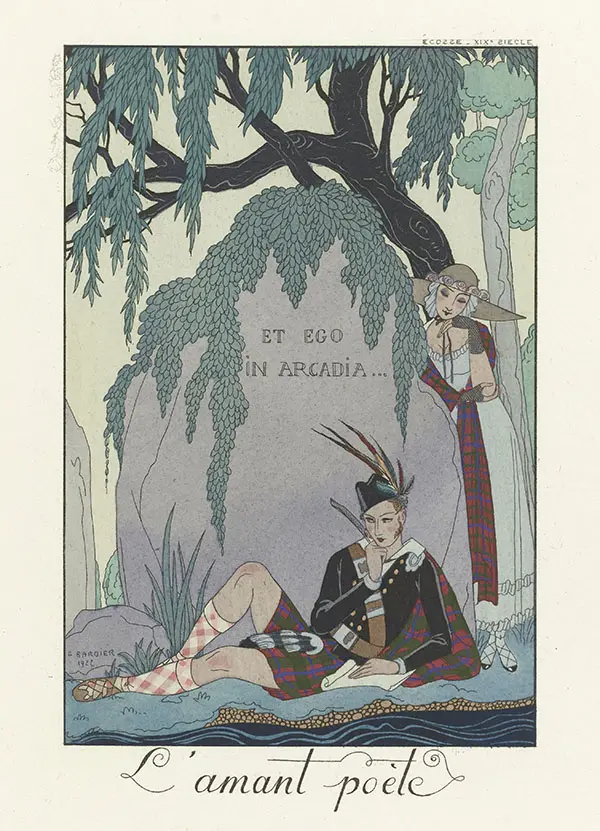
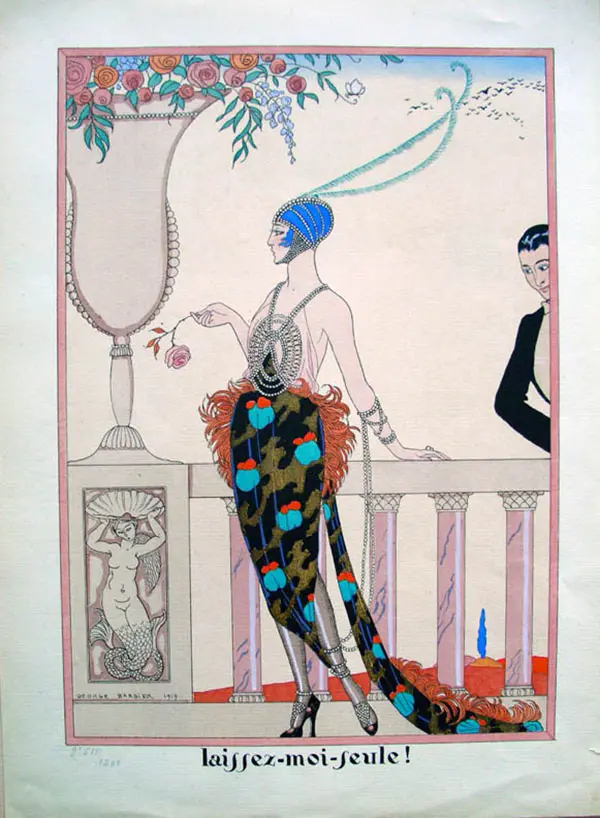
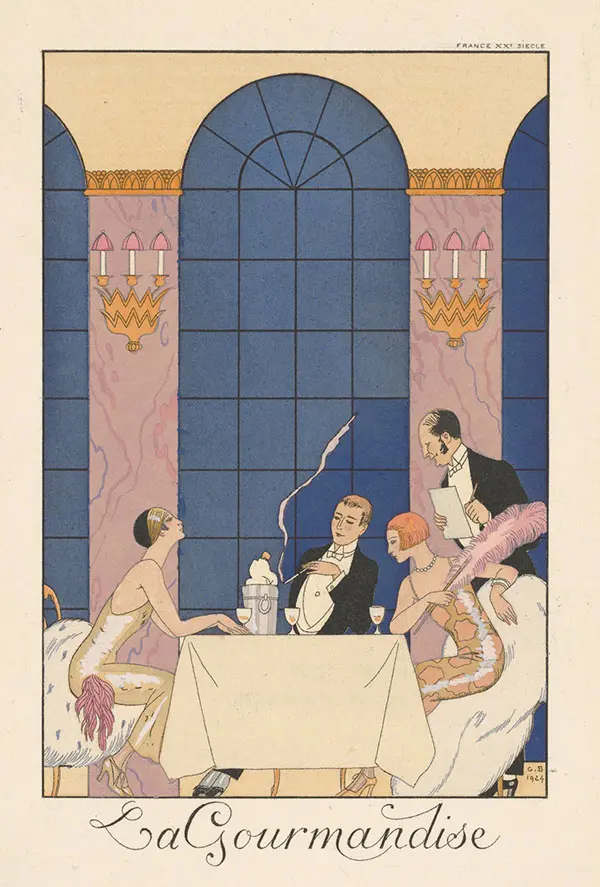
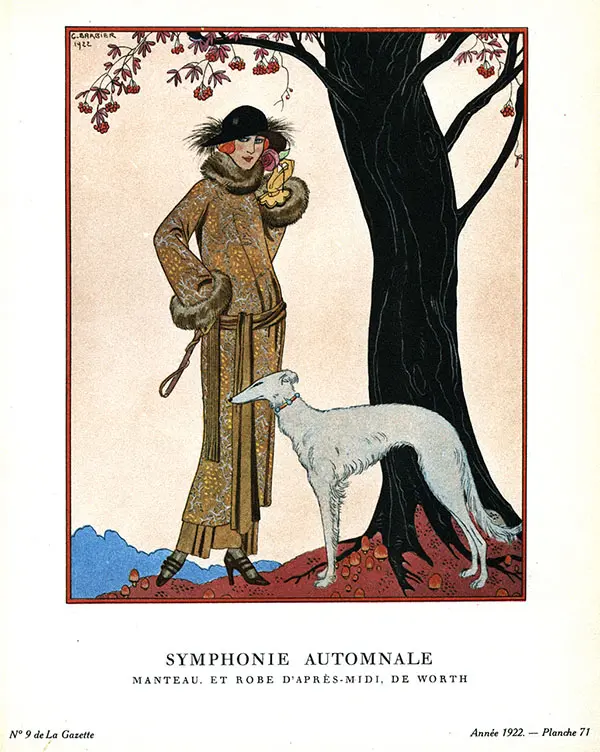
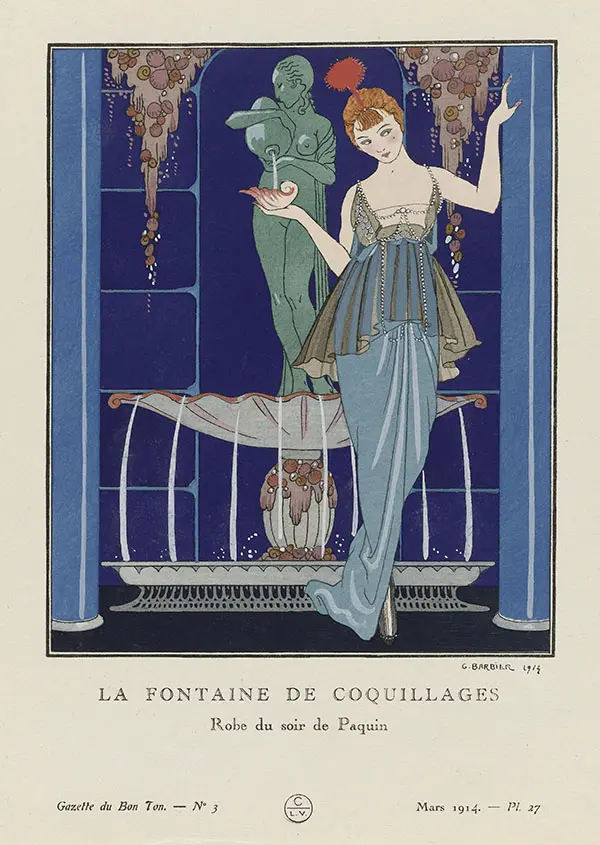
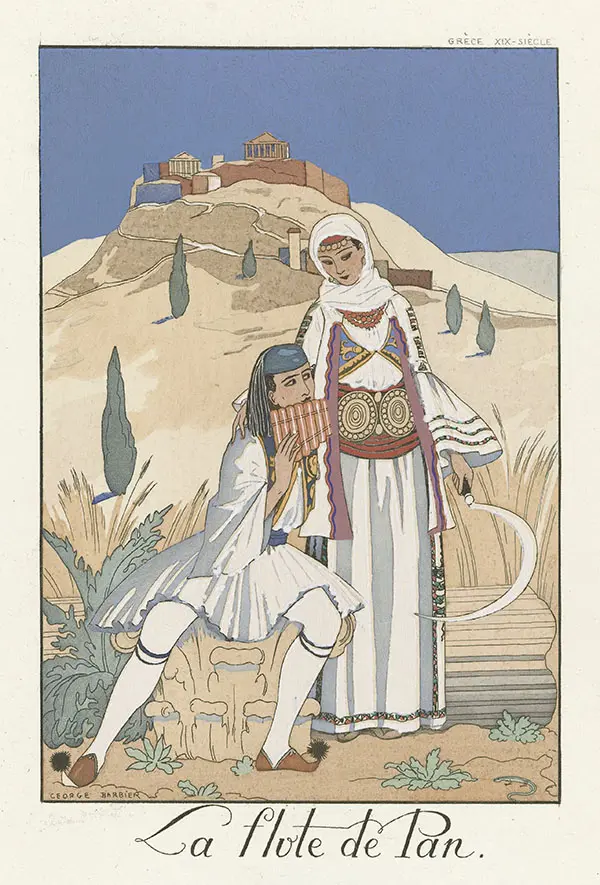
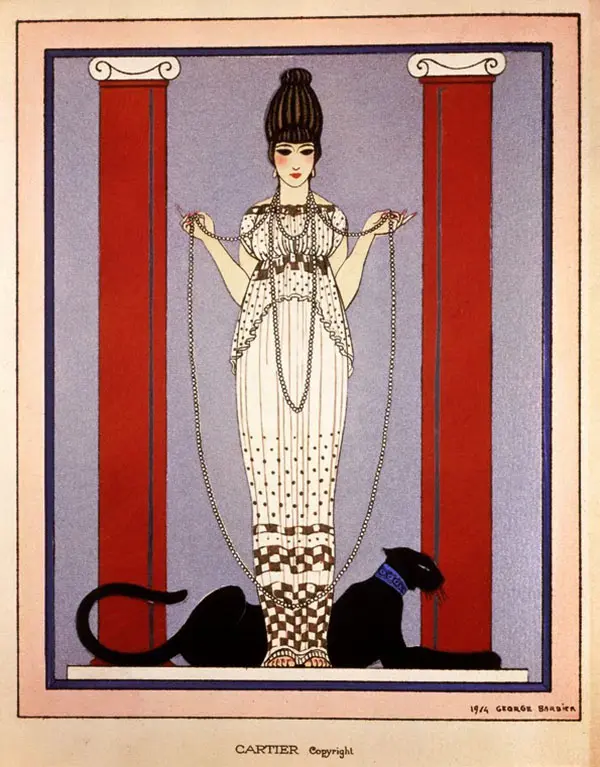
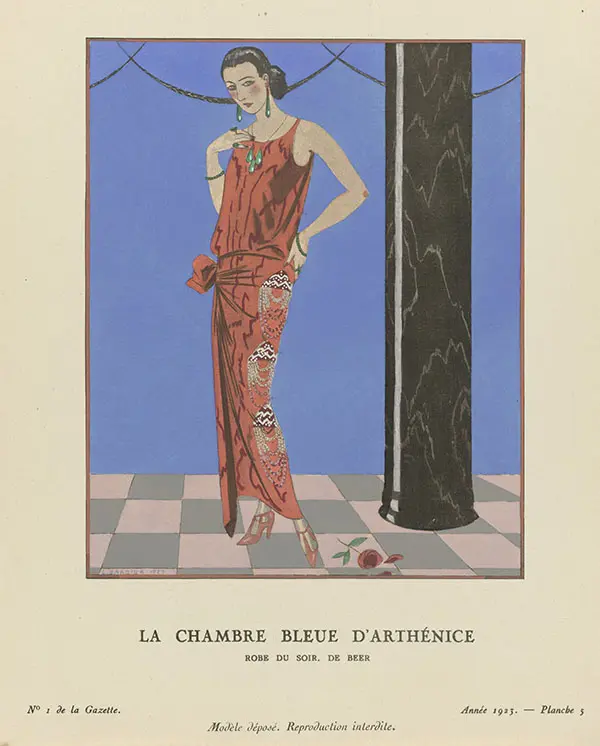
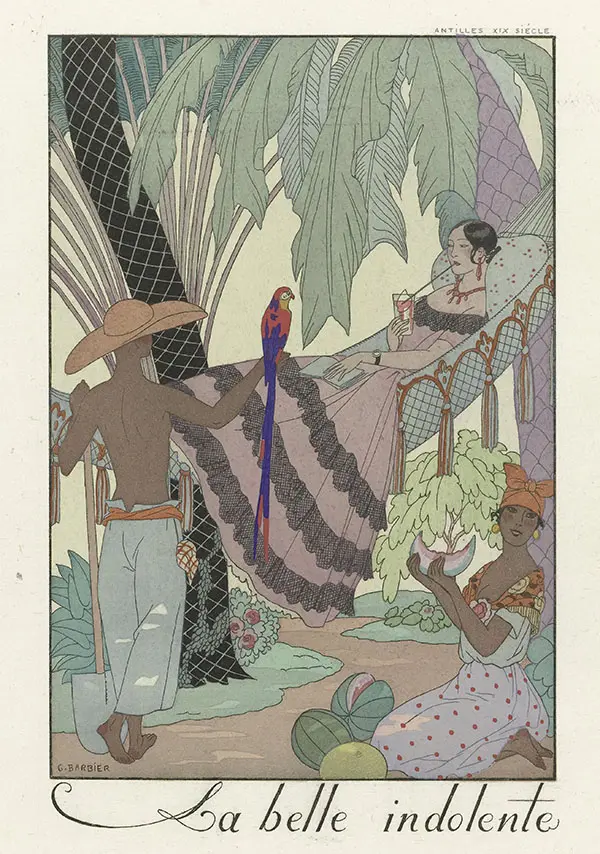
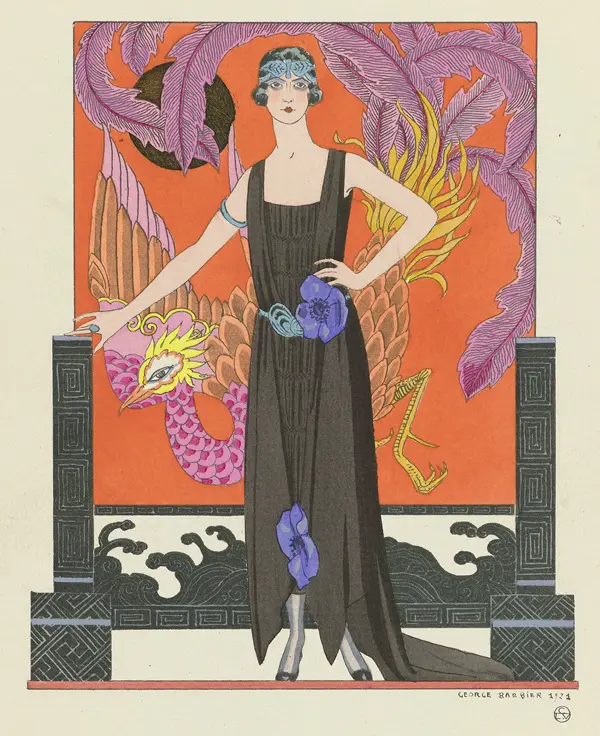
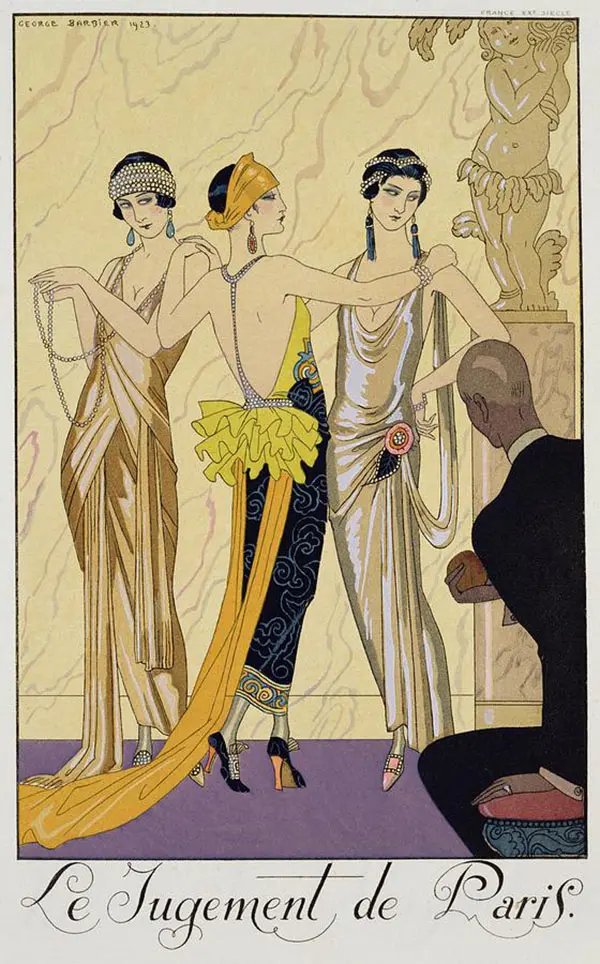
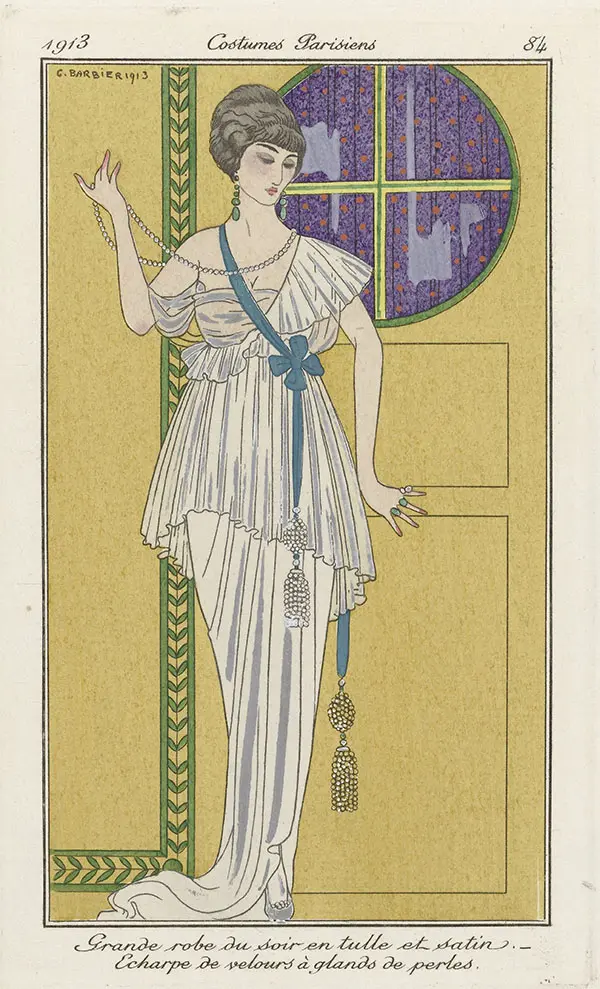
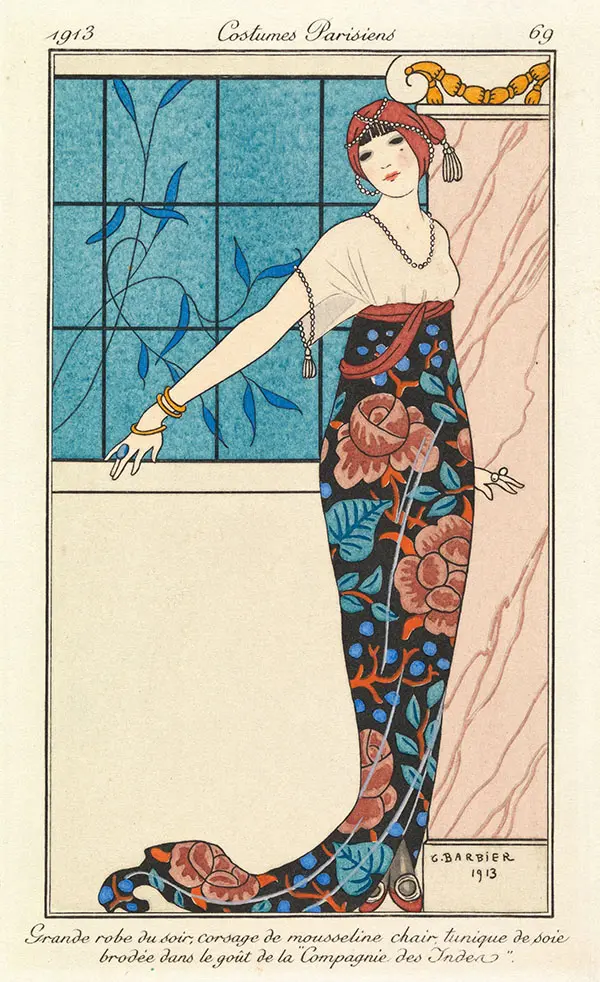
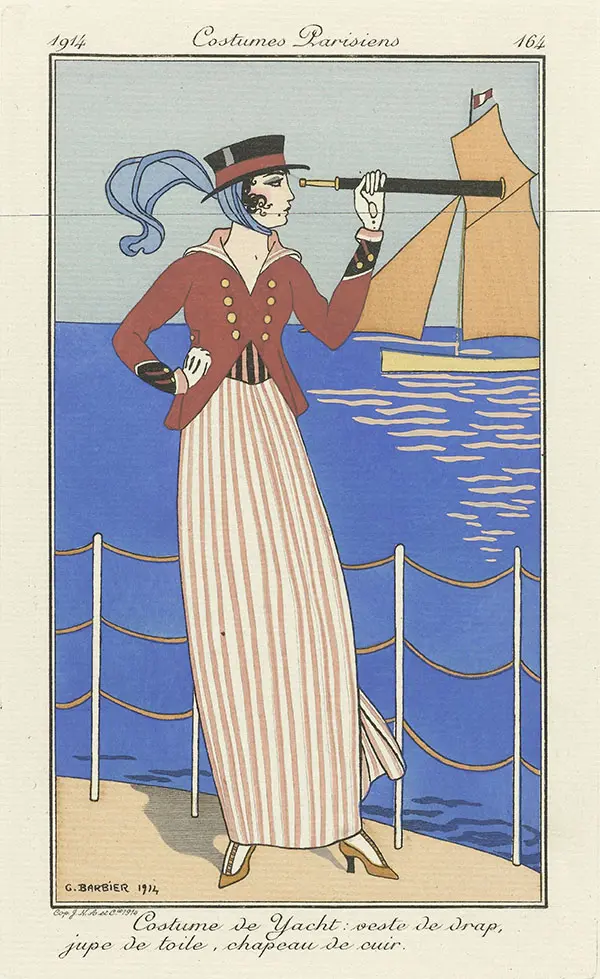
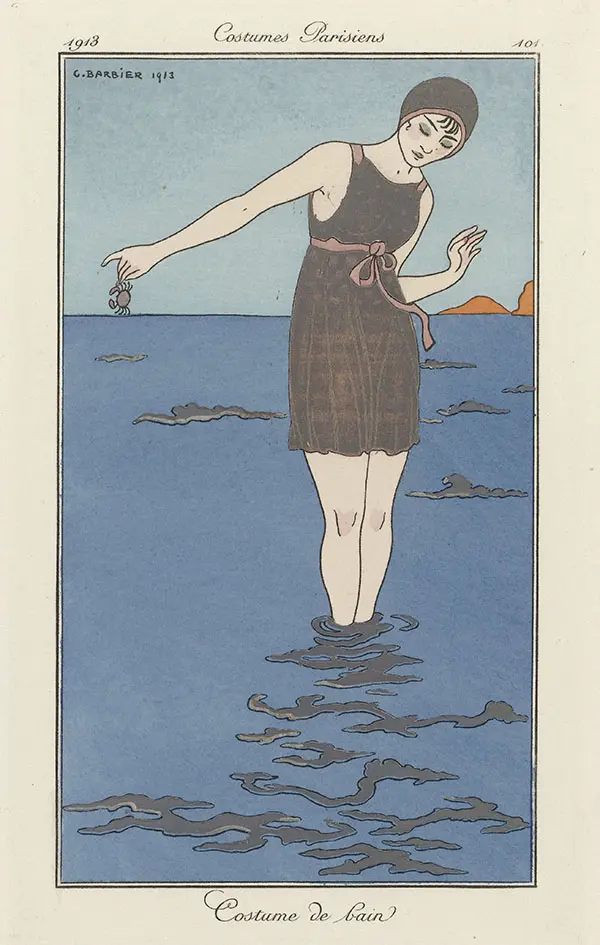
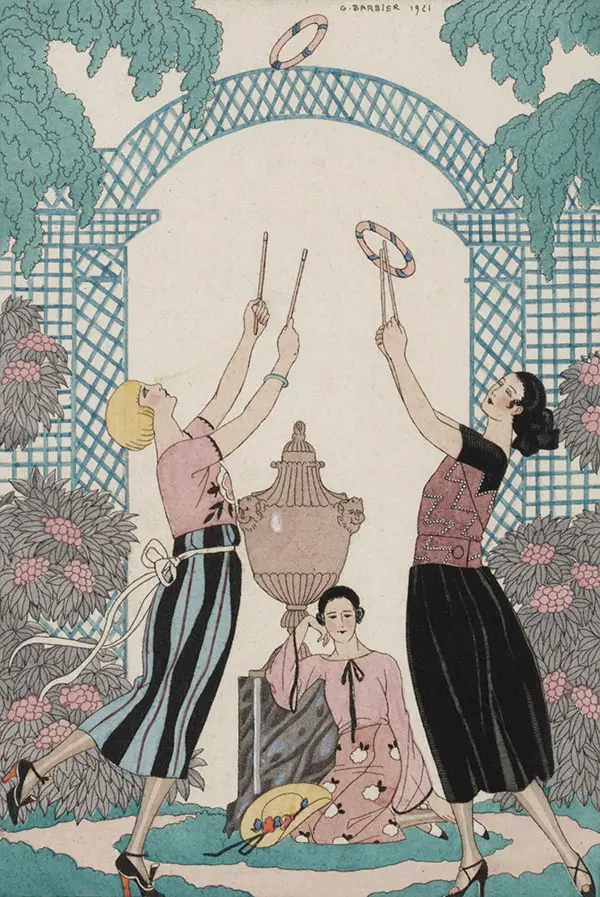
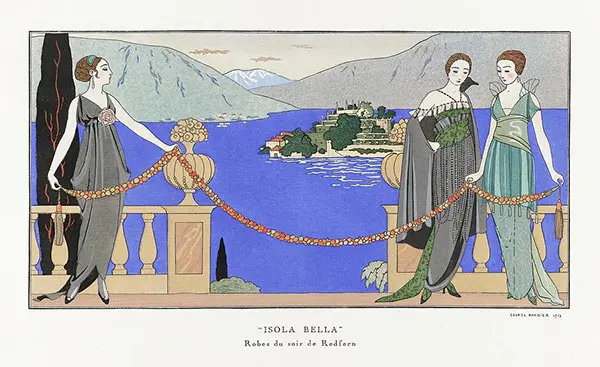
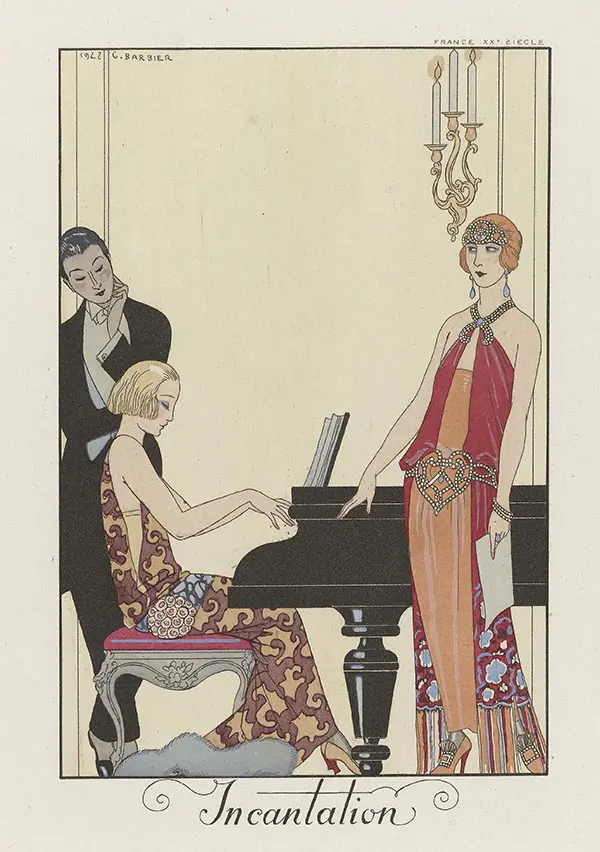
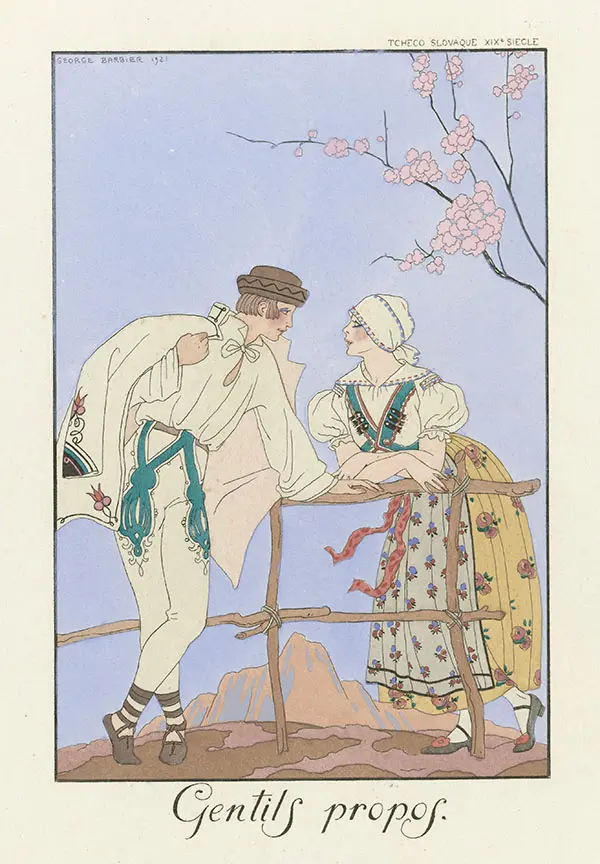
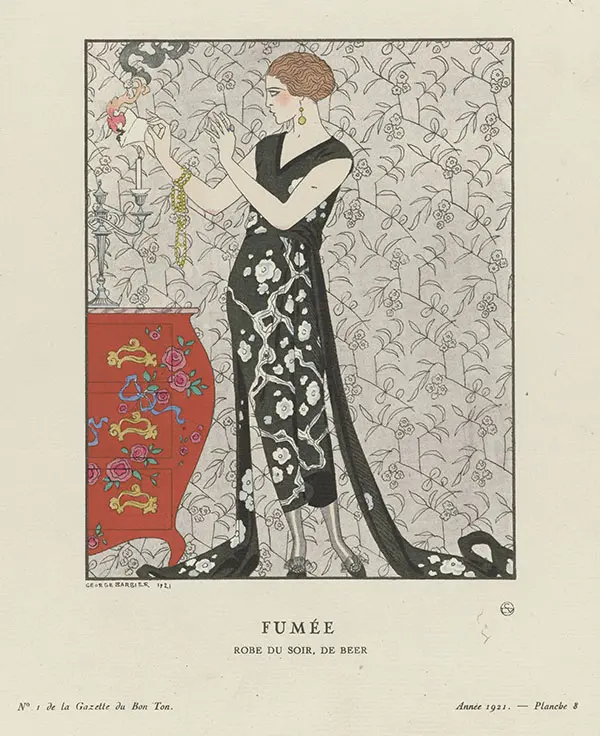
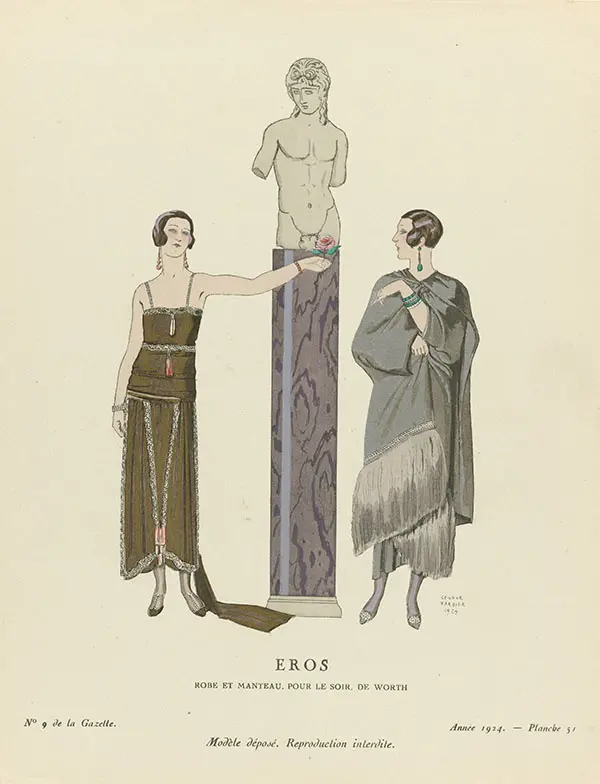
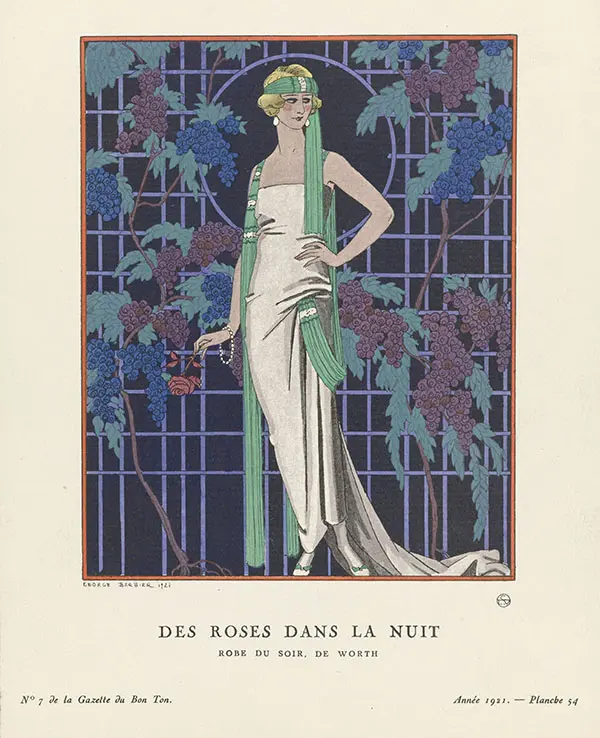
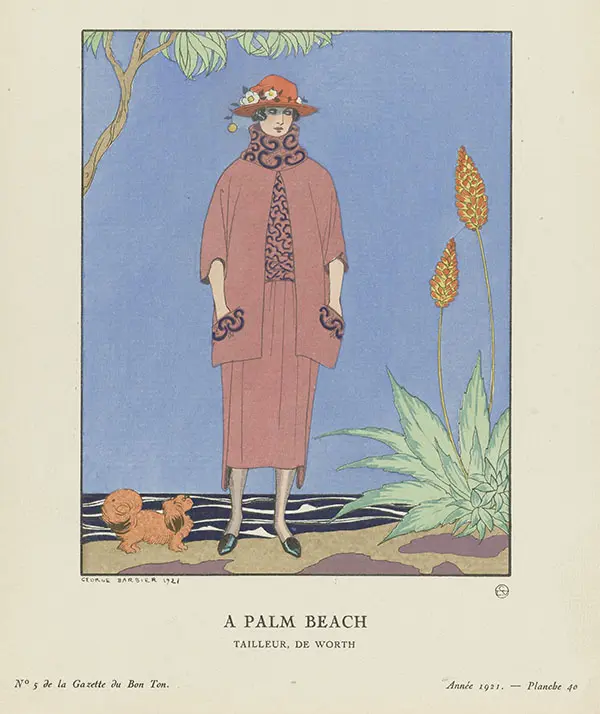
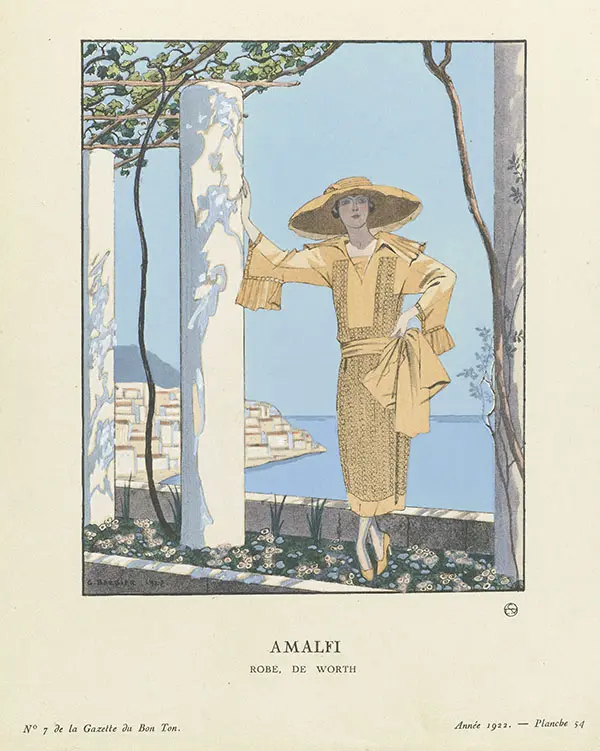
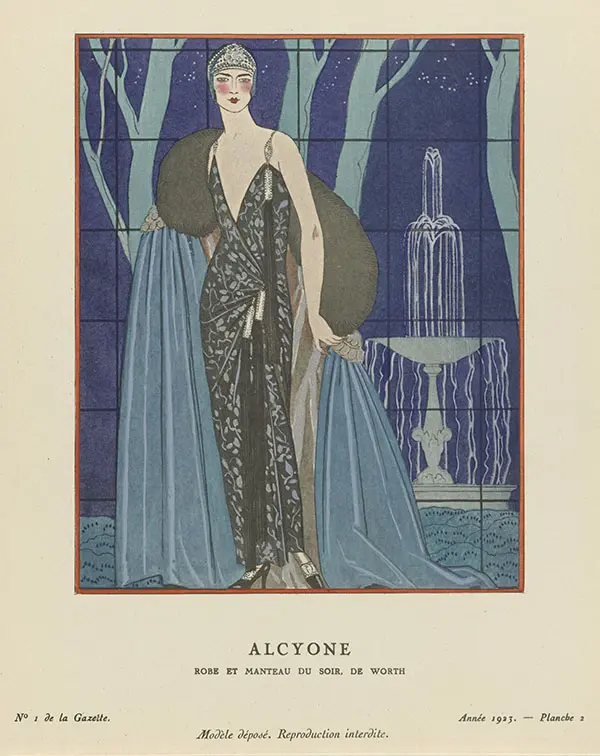
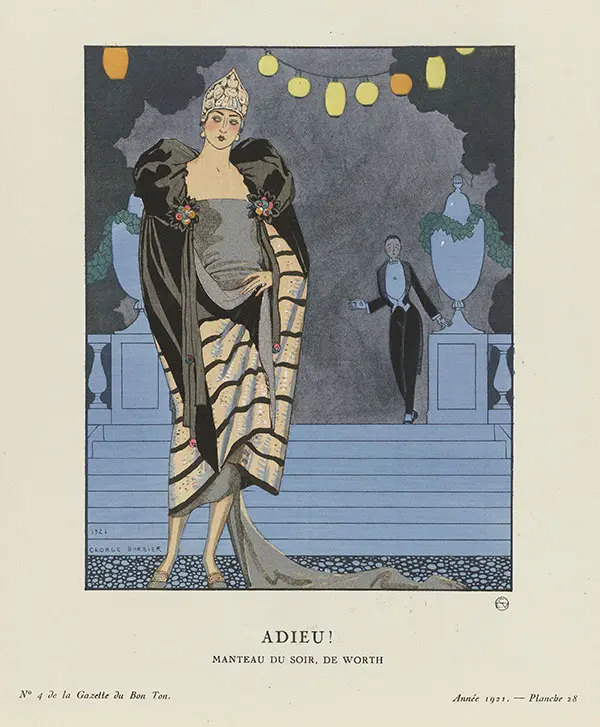
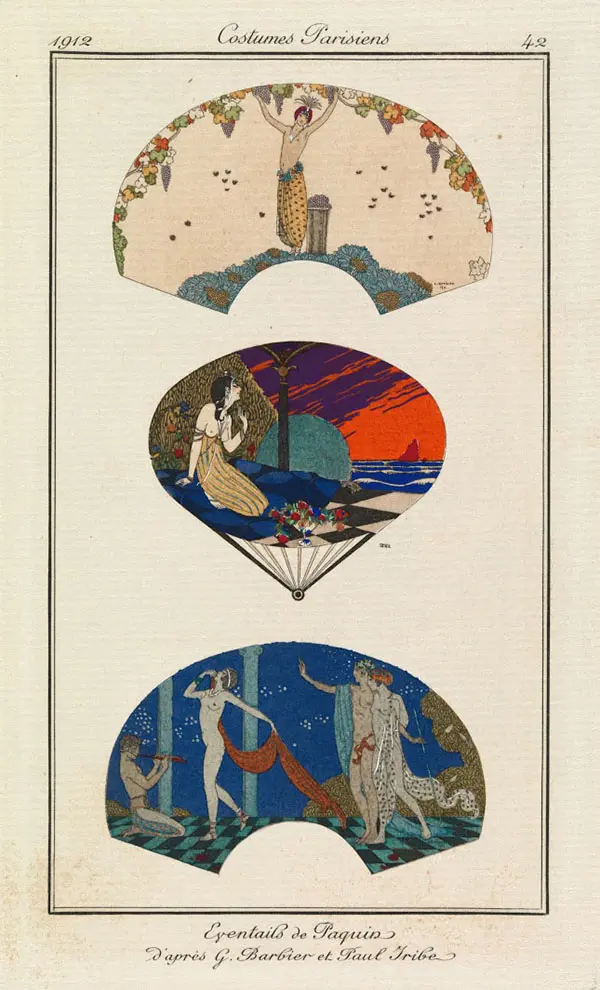
- Georges Barbier and his art define the Art Deco era. One of the great French illustrators of the early twentieth century, Barbier enjoyed a prestigious and celebrated career. He illustrated haute couture publications, designed theater and ballet costumes, and led a flamboyant life well-suited to his art.
Indeed, Georges Barbier headed a group described by Vogue as “The Knights of the Bracelet” for their fashionable dress and mannerisms. In Art Deco paintings, such as L'oiseau Volage (1914), a characteristically sophisticated woman contrasts with a monochromatic gray background. She coaxes the “flighty bird” down from a crimson-red tree by referencing contemporary trends in Japonisme and Art Nouveau stylings.
- Diego Rivera 1886-1957 While not traditionally identified as Art Deco, Diego Rivera's oil paintings heavily reference this Art Deco movement. His monumental frescos established Mexico’s place in international art, with murals created throughout North and South America.
In Rivera's oil paintings, such as Nude with Calla Lilies (1944), his usual biting social and political commentary is absent. Instead, the painting celebrates the sculptural elements of the calla lily flower. The flowing geometric forms, contrasting with the woman’s body, create an exquisite composition.
- Erte (1892-1990) Born Romain Petrovich de Tirtoff, this Russian-born artist is internationally known by the pseudonym Erte. Spending most of his life in France, he created fashion, jewelry, interiors, theater set design, and stunning illustrations. Inspired by Art Nouveau illustrators such as Aubrey Beardsley, Erte initially employed flowing, curved lines and organic forms. He pursued a creative career in Paris against his father’s wishes, who wanted the young man to follow family tradition and enlist as a naval officer.
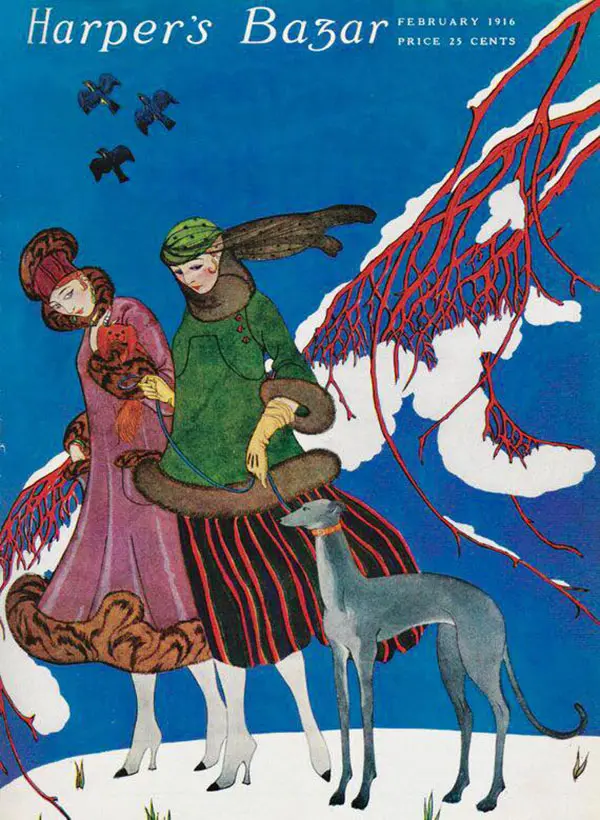
Erte secured substantial and lucrative contracts designing over 200 covers for Harper’s Bazaar. Stylish works, such as Erte's "Spring Showers" and "The Bubbles," exemplify his heavily stylized approach. The strong lines, stunning aesthetics, and vivid coloring secured Erte's place amongst great Deco illustrators of the age.
Tamara de Lempicka Paintings
Art Deco paintings by Tamara de Lempicka are some of the most recognizable and iconic creations. She courted controversy and art in her personal life, driving representations of femininity and sexuality into the modern industrial era. Her famous paintings, "La Dormeuse" and "Girl in Green Dress," create a robust and sensual atmosphere. While visually striking, her oil paintings also reference the darker side of European glamor during the early 1930s.
Indeed, Tamara de Lempicka's painting, Auto Portrait Green Bugatti, demonstrates society’s near-total trust in social progress and the positivity of the new machine age. The woman in the painting merges with the motor car, her glinting eyes knowingly gazing at the powerless viewer.
Buy Art Deco Paintings by Famous Artists.
Buy Museum quality reproduction oil paintings by famous and popular artists and explore our collection of replica art for sale.
Whether you love Art Nouveau paintings, Abstract Expressionism art, Action Painting, or Art Deco paintings, discover fine art reproductions to echo the glamor and style of the 1920s.
We have been creating reproduction paintings since 1996. We are the original reproduction oil painting company. We currently have over 50,000 famous paintings in our online art catalog, all of which are covered by our 100% Money Back Guarantee.

Testimonial from Neil Y, Ellenboro, NC


Enter Your Private Gallery
Log in with your gallery ID here
Track Your Order
Type your order number here




Cannot Find What You Are Looking For?
Reproduction Gallery Information
Customer Service

(Send Us A Message)

Tel: (302) 513 3464