




Search Oil Painting Reproductions By Art Movement
Explore Painting Styles, Schools and Movements Across Art History
Art movements show how painting has changed over centuries, as artists developed new ways to use color, light, composition and technique. From the detailed realism of Renaissance painting and the drama of the Baroque to Impressionist brushwork, Cubist geometry and Abstract Expressionism, each movement introduced different ideas about what a painting could be.
Our art catalog brings together more than 60 art movements, schools, and painting styles, represented by thousands of hand-painted oil painting reproductions. You can explore paintings by period and style, discover artists associated with each movement, or browse our Art Collections to refine your search by subject and find paintings that match your particular interests.
How Did Art Movements Change the History of Painting?
Art movements changed painting as artists developed new ways to use color, light, composition, and technique. Movements often overlapped or emerged in response to earlier styles, creating a progression from the realism and religious imagery of the Renaissance to Impressionism, Cubism, Surrealism and the abstract movements of the 20th century.
Renaissance Art - c. 1400–1600
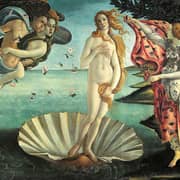
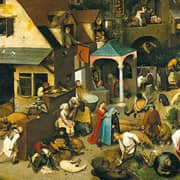
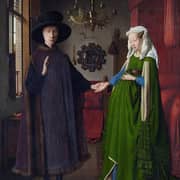
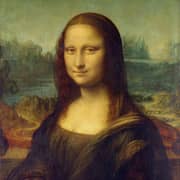
Renaissance artists, including Leonardo da Vinci, Raphael, and Titian, transformed European painting through greater realism, perspective, and close observation of the human figure. Oil painting developed rapidly during this period, allowing artists to build depth, subtle color and fine detail through layers and glazing.
Baroque and Rococo - c. 1600–1780
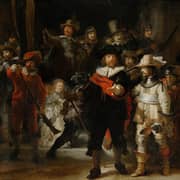
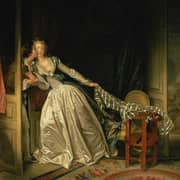
Baroque painters such as Caravaggio, Rembrandt and Rubens brought greater drama, movement and contrasts of light and shadow to painting. Rococo later developed a lighter, more decorative style, associated with artists including François Boucher and Jean-Honoré Fragonard.
Neoclassicism and Romanticism - c. 1750–1850
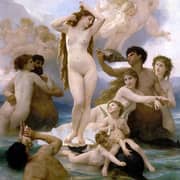
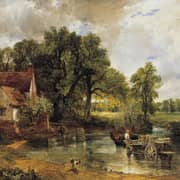
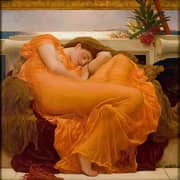
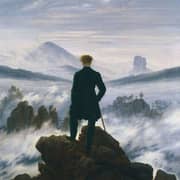
Neoclassicism returned to the order and subjects of classical Greece and Rome, while Romantic artists placed greater emphasis on emotion, imagination and the power of nature. Jacques-Louis David, J.M.W. Turner and Eugène Delacroix demonstrate how differently artists approached painting during this period.
Realism and Impressionism - c. 1840–1890
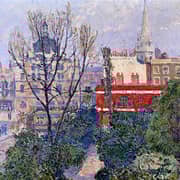
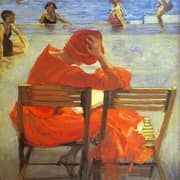
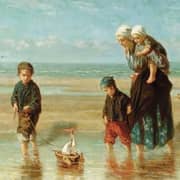
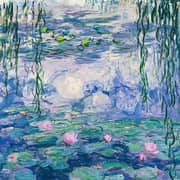
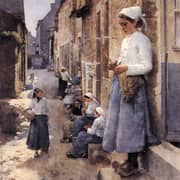
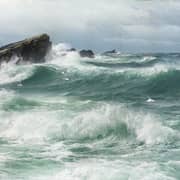
Realist painters turned toward everyday life and observable subjects, while Impressionists, including Claude Monet, Pierre-Auguste Renoir, and Edgar Degas, transformed the treatment of light and color with looser, more visible brushstrokes. Impressionism became one of the most influential movements in modern painting.
Post-Impressionism to Cubism - c. 1880–1920
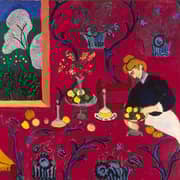
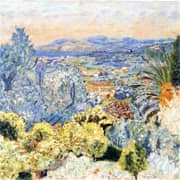
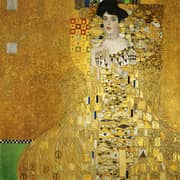
Vincent van Gogh, Paul Cézanne and Paul Gauguin moved beyond Impressionism with increasingly individual approaches to color, form and expression. Fauvism, Expressionism and Cubism pushed these ideas further, with artists including Henri Matisse and Pablo Picasso breaking increasingly from traditional representation.
Surrealism and Abstract Art -1920s Onward
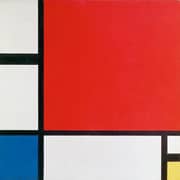
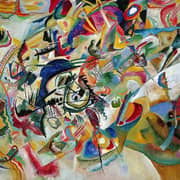
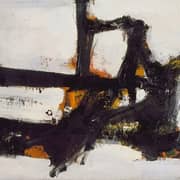
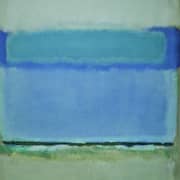
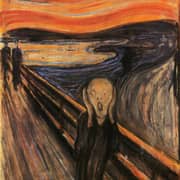
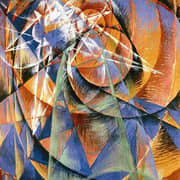
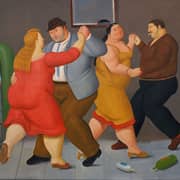
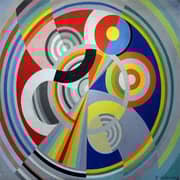
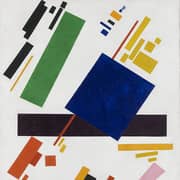
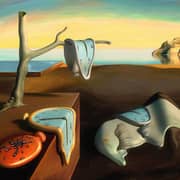
During the 20th century, artists increasingly questioned whether paintings needed to represent the visible world at all. Surrealism explored dreams and the imagination, while Abstract Expressionism, Color Field painting, and other abstract movements placed greater emphasis on color, gesture, form, and the physical qualities of paint.
What Does It Take to Recreate Different Painting Styles?
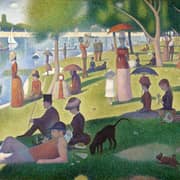
Different art movements can require very different painting techniques. Renaissance paintings may depend on controlled modeling, fine detail and layers of glazing, while Impressionist paintings rely more on visible brushstrokes, color and the handling of light. Pointillism requires carefully placed dots of color, while Abstract Expressionism can depend on gesture, texture and the physical application of paint.
We have been recreating paintings from across these movements since 1996. Each order is individually reviewed and assigned to a professional artist whose skills and experience are suited to the original artist, painting style, and technique. This specialist approach helps us recreate not only the subject and colors of a painting, but also the characteristics that make the original style recognizable.
Explore Oil Paintings by Art Movement
Browse the art movements below to discover the artists, painting styles, and hand-painted oil painting reproductions available in our catalog.





Enter Your Private Gallery
Log in with your gallery ID here
Track Your Order
Type your order number here
Most Popular Artists