




Medieval Art Oil Painting Reproductions
Find Medieval Art Oil Painting Replicas by Medieval Art Artists
What Is Medieval Art?
Across Europe, medieval art evolved over nearly a thousand years, shaping the visual culture of Europe through religious devotion and symbolic storytelling. From manuscripts and frescoes to panel paintings and tapestries, medieval artworks were created to educate, inspire faith, and convey spiritual truth.
This rich period laid the foundations for the Renaissance art movement by developing new approaches to compositions and storytelling, with the use of color, gold, and perspective.
What Defines Medieval Art?
Medieval art is primarily religious, created under Church patronage to educate, inspire devotion, and communicate spiritual ideas visually. Religious art was designed for churches, monasteries, and royal courts, often serving as visual scripture for largely illiterate audiences.
What are the Key Characteristics of Medieval Paintings?
- Religious symbolism and biblical themes, reflecting the central role of Christianity in medieval life,
- Flattened perspective and hierarchical scale, where important figures are shown larger to emphasize their status,
- Extensive use of gold leaf and decorative patterns, symbolizing divine light and heavenly spaces,
- Simplified figures with limited anatomical accuracy, prioritizing message and meaning over realism, and
- Narrative imagery, used to visually tell religious stories to audiences who could not read
Over time, medieval art evolved from the solid forms of Romanesque art to the elegance and naturalism of Gothic painting.
Who are the Most Famous Medieval Artists?
Although many medieval artworks were unsigned, several artists stand out for transforming European painting.
- Giotto di Bondone. Giotto revolutionized medieval painting by introducing believable human emotion, solid three-dimensional figures, and coherent spatial settings. His work marks a decisive break from flat Byzantine styles and signals the beginning of naturalism in European art.
- Fra Angelico. A Dominican friar and painter, Fra Angelico, combined medieval spirituality with emerging Renaissance techniques. His serene figures, luminous colors, and devotional clarity represent the spiritual refinement of late medieval art.
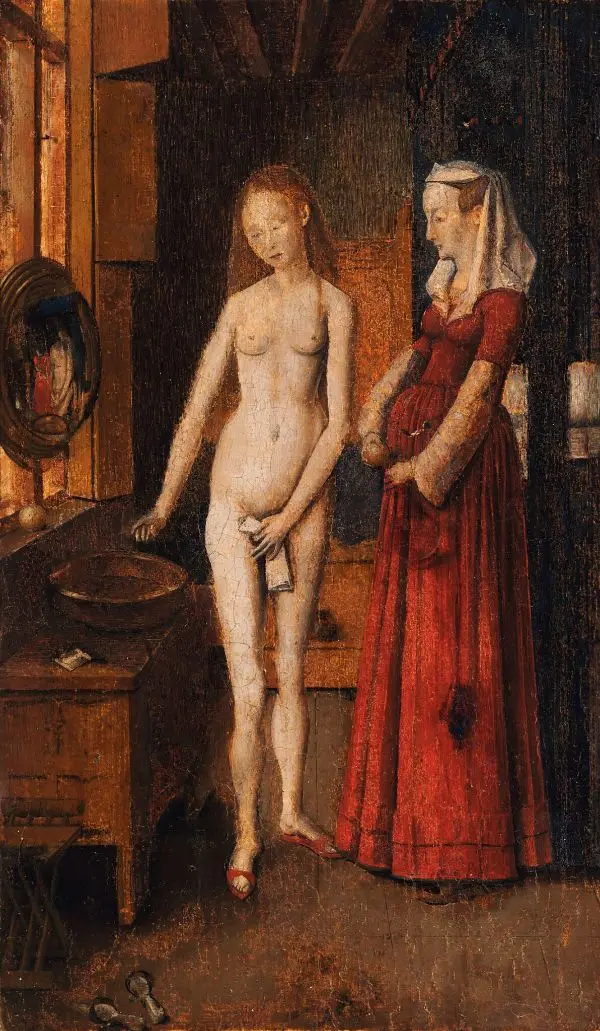
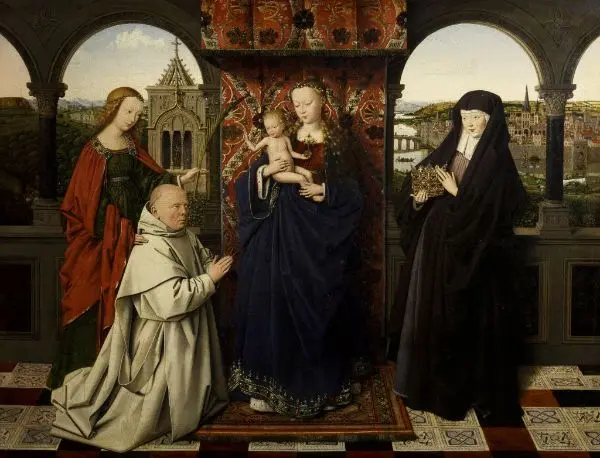
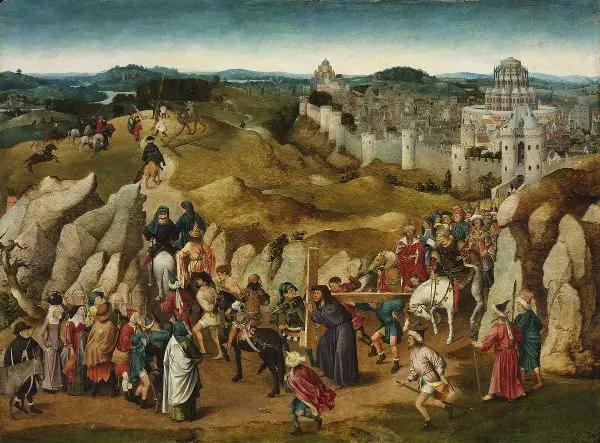
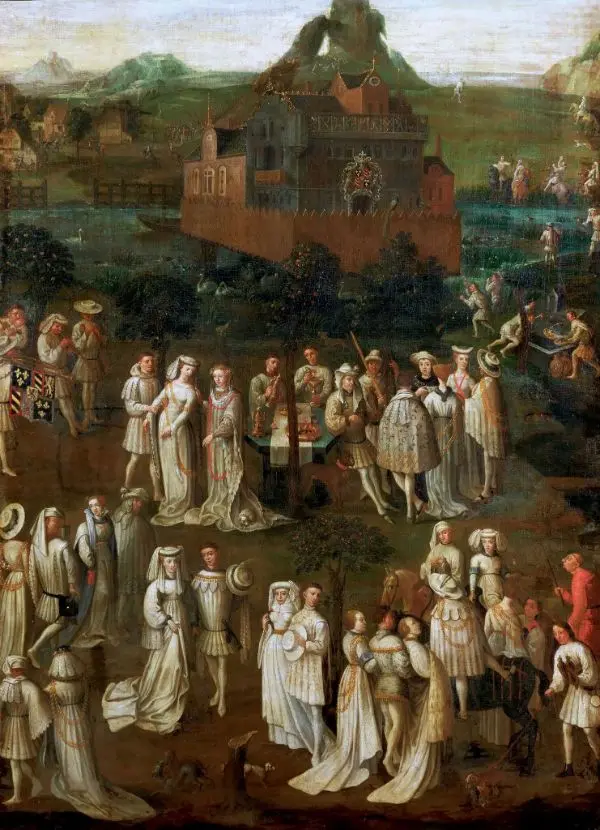
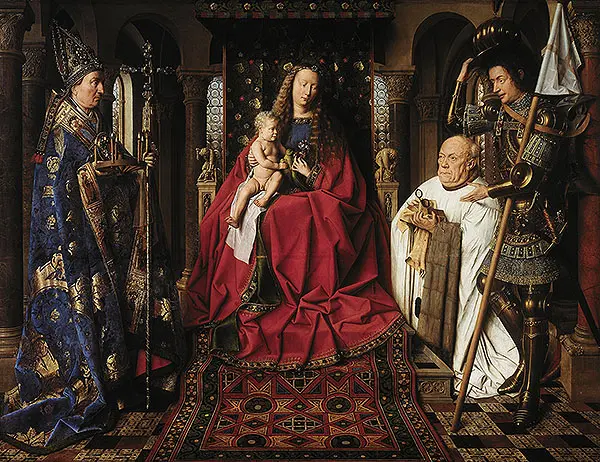
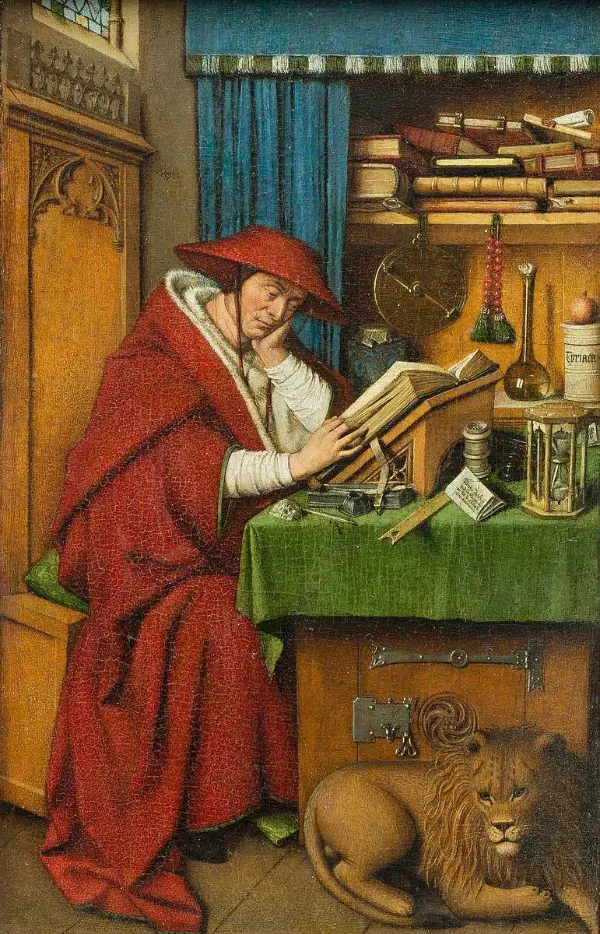
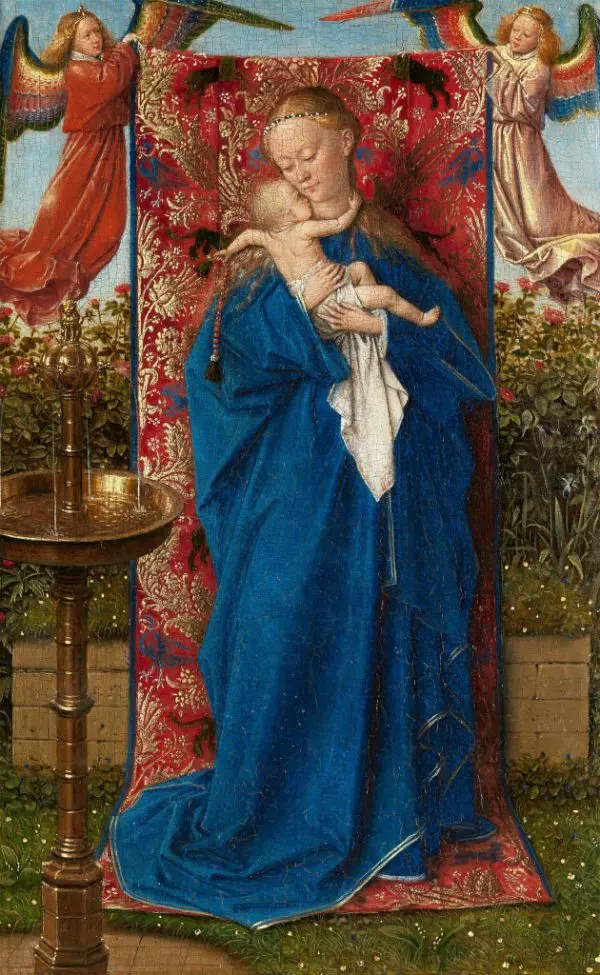
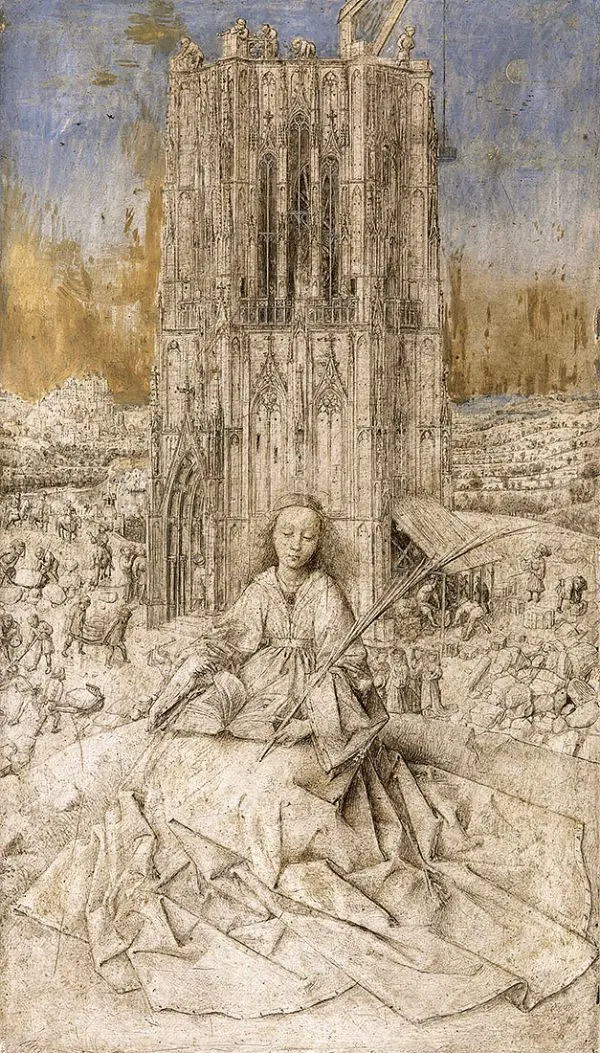
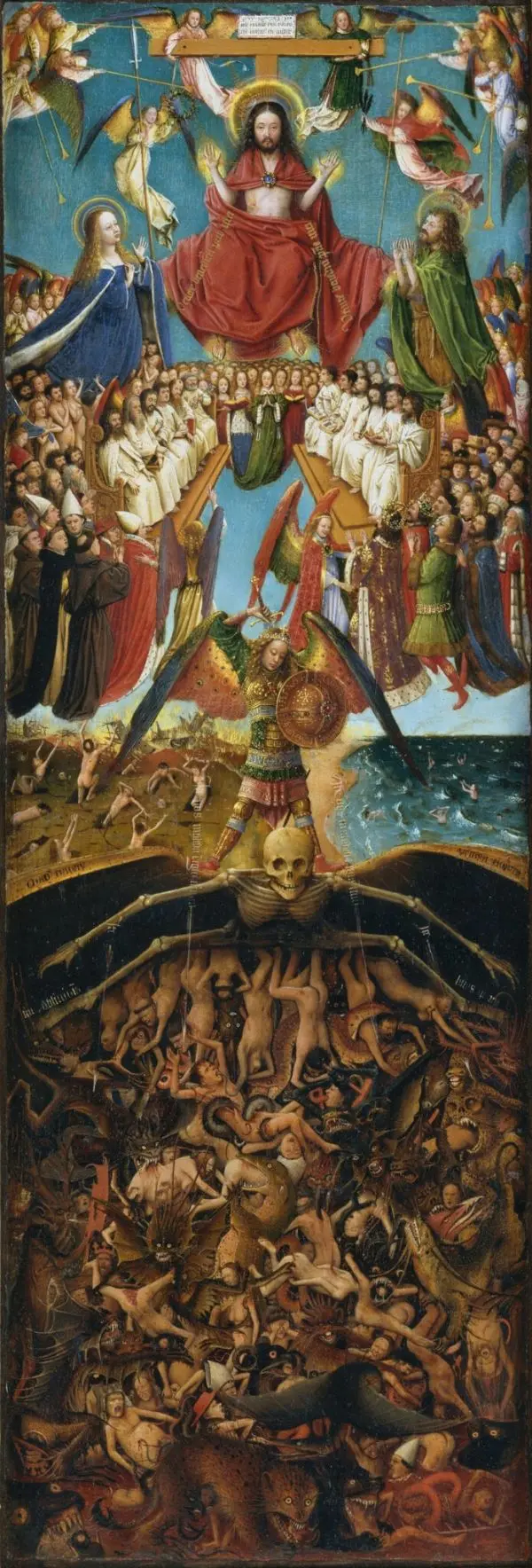
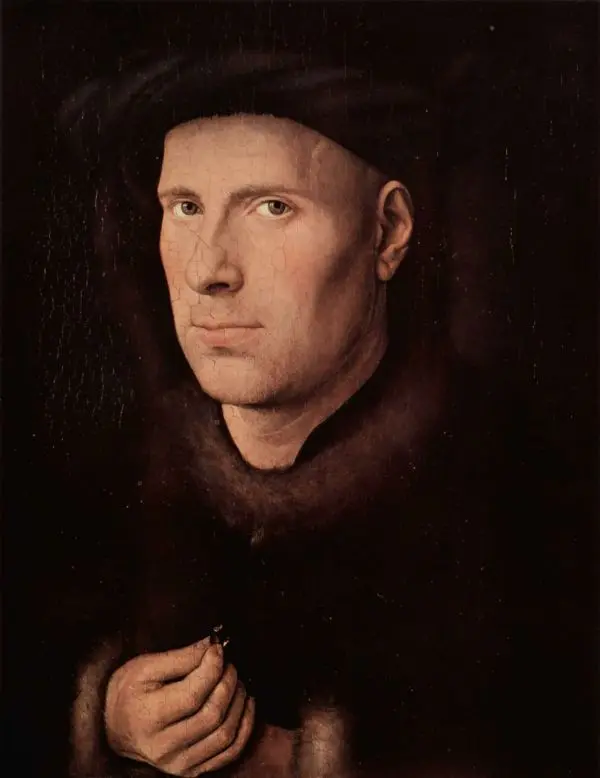
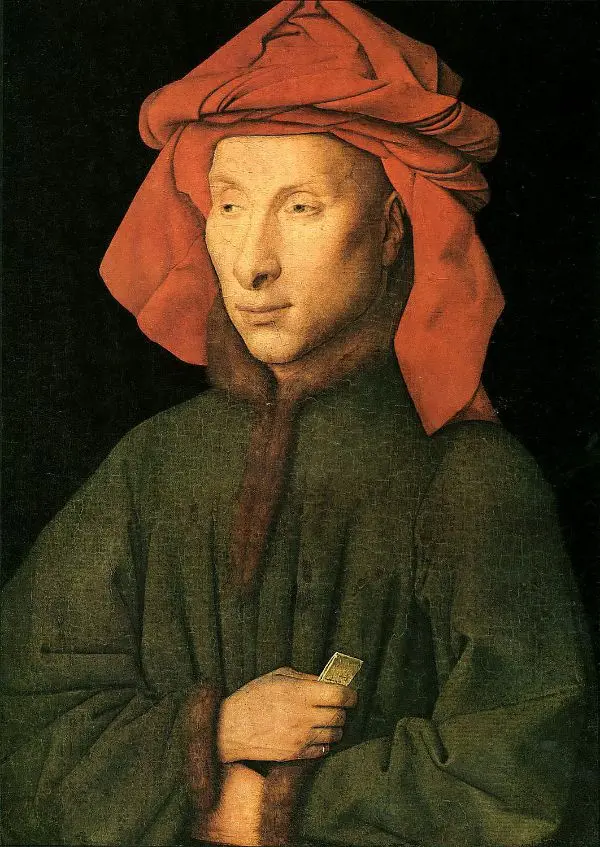
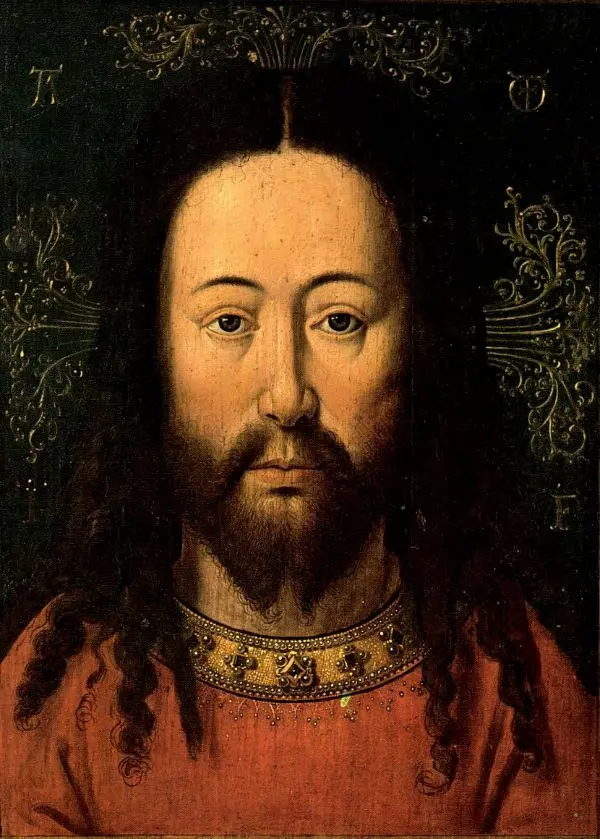
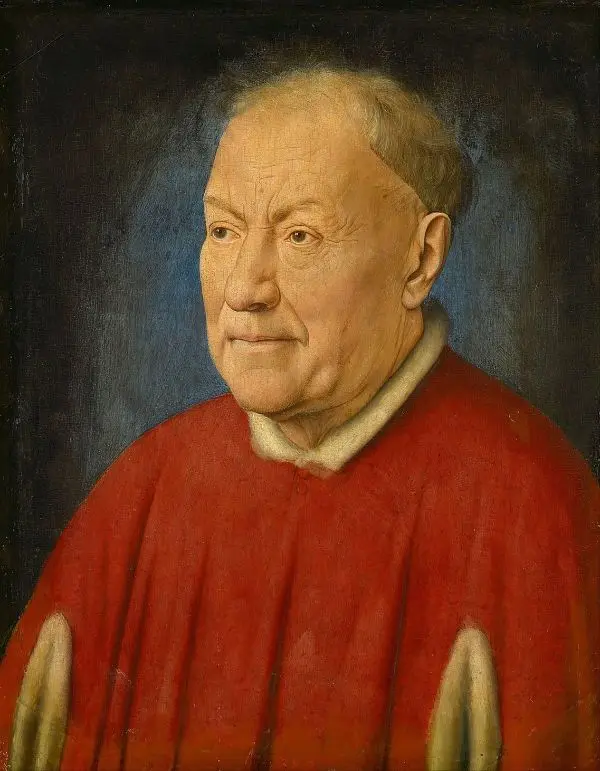
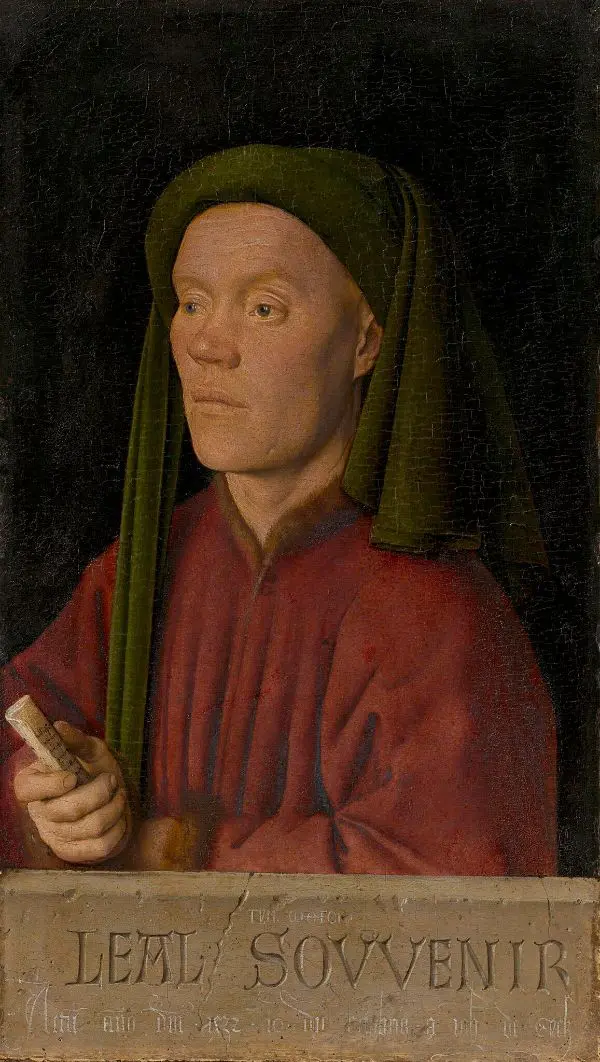
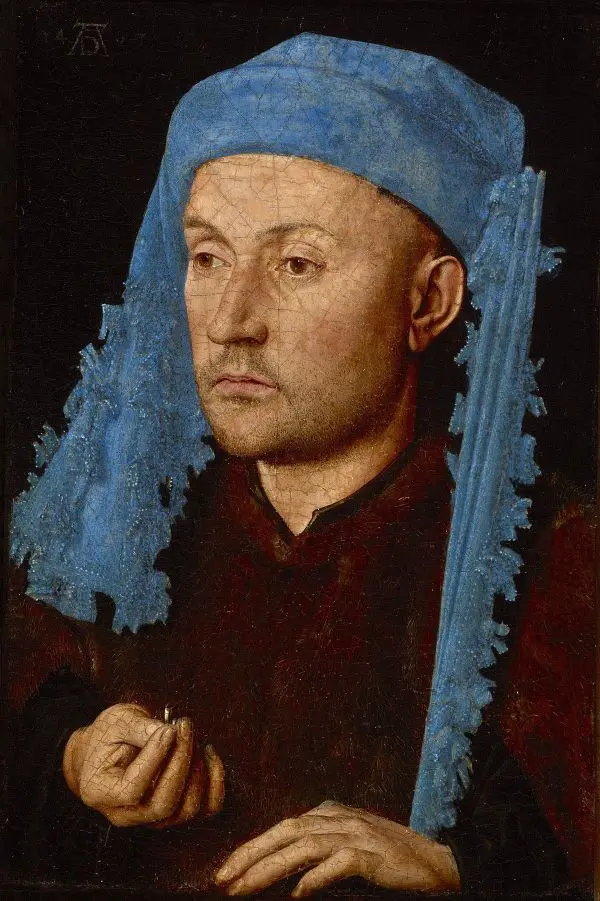
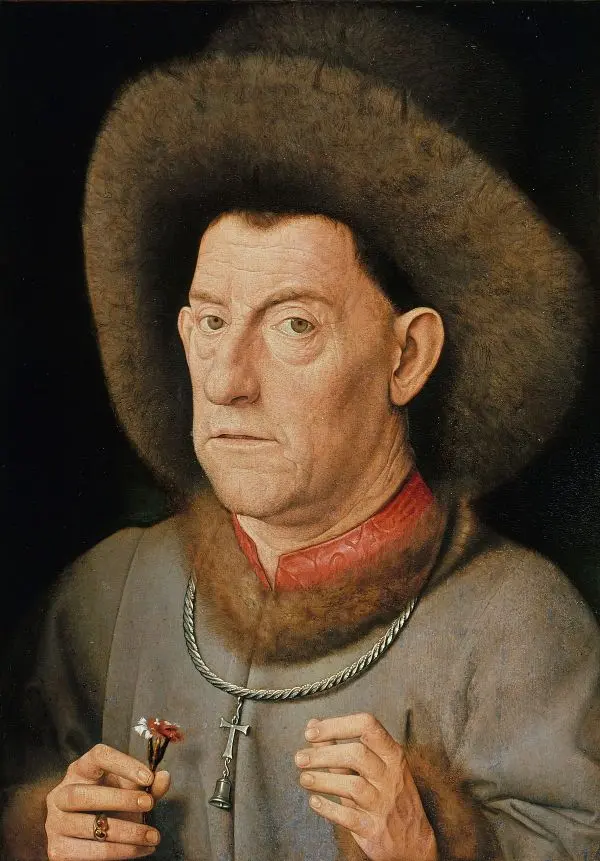
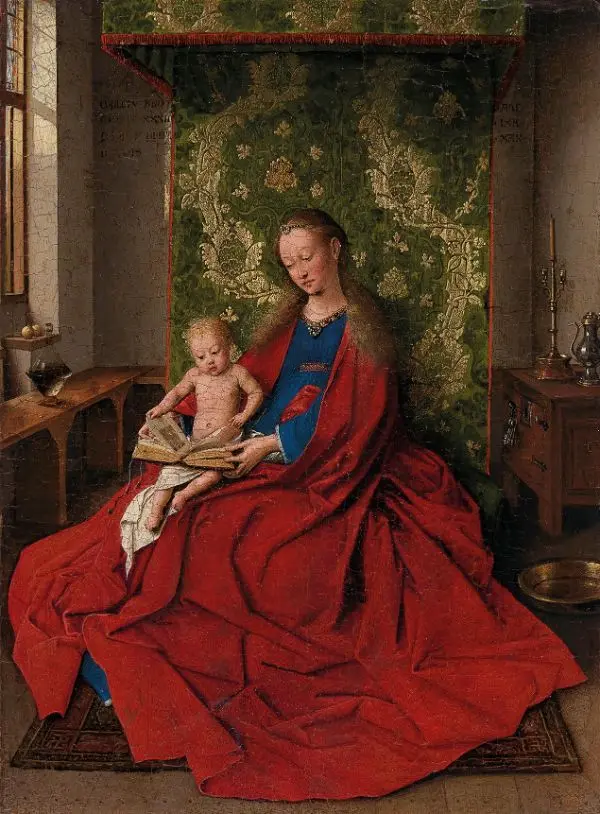
- Jan van Eyck. Working at the transition between medieval religious paintings and Renaissance art, van Eyck perfected oil painting techniques, achieving extraordinary realism, symbolic detail, and surface depth that transformed Northern European painting.
What Are the Most Famous Medieval Paintings and Artworks?
Several famous medieval paintings remain central to art history and major museum collections today. They mark key moments in the development of Western painting through innovation, devotion, and technical mastery.
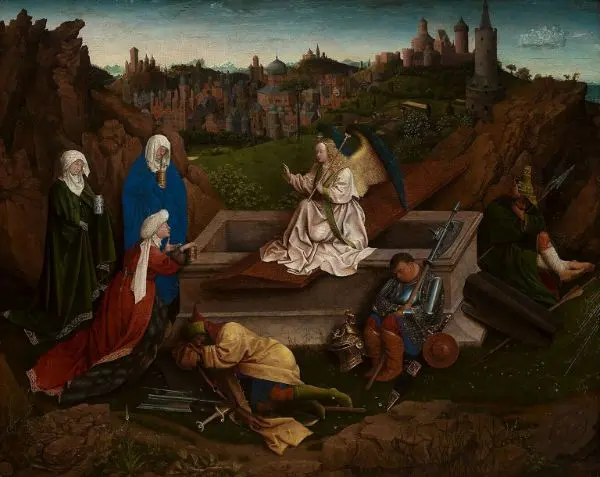
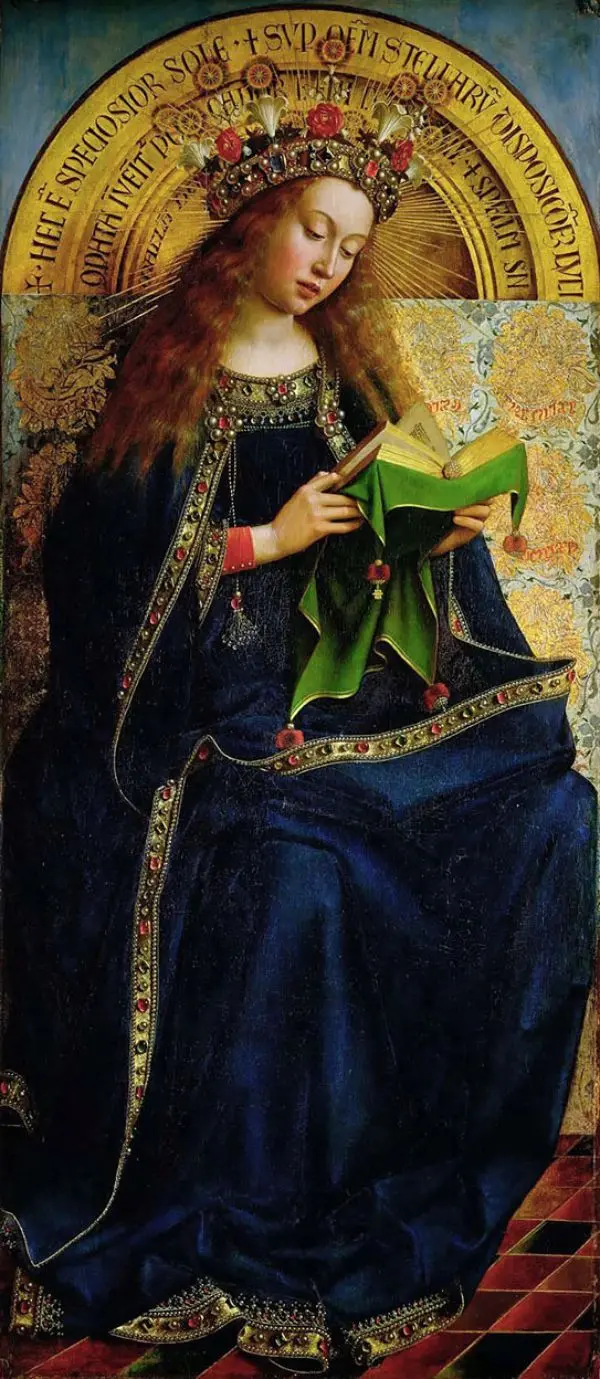
- Ghent Altarpiece by Jan van Eyck
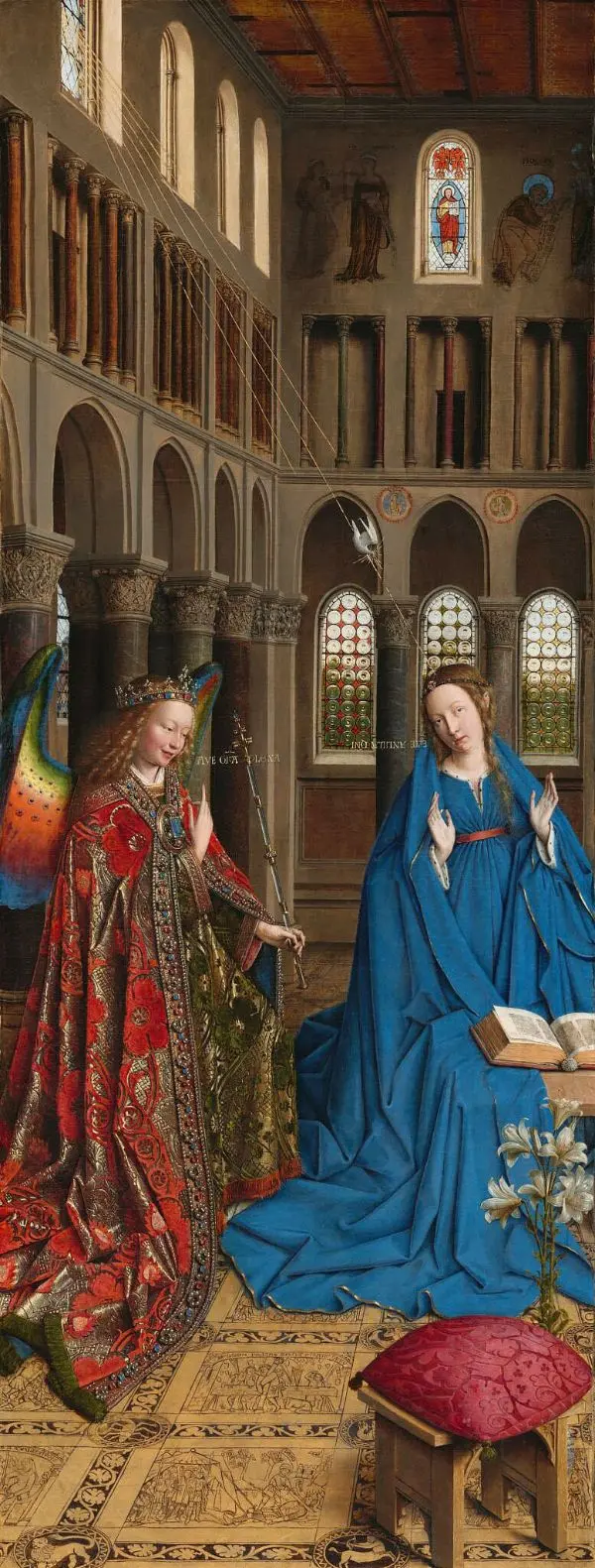
A landmark of late medieval painting, the Ghent Altarpiece is celebrated for its revolutionary use of oil paint, extraordinary realism, and complex religious symbolism. Van Eyck’s meticulous detail transformed European panel painting and influenced generations of artists. - The Annunciation by Fra Angelico
This serene devotional painting exemplifies late medieval spirituality through luminous color, balanced composition, and gentle emotional expression, blending medieval religious tradition with emerging Renaissance naturalism. - Scrovegni Chapel Frescoes by Giotto di Bondone
Giotto’s fresco cycle transformed medieval painting by introducing believable human emotion, solid form, and coherent pictorial space, redefining how biblical narratives were visually communicated.
Together, these masterpieces by Jan van Eyck, Fra Angelico, and Giotto represent the height of medieval painting and its transition toward Renaissance art, remaining essential works in the study of Western art history.
What is the Symbolism in Medieval Painting?
Medieval artists relied on symbolism to communicate theological ideas clearly and effectively:
- Gold backgrounds symbolized divine presence
- Blue represented purity and holiness
- Size reflected spiritual hierarchy
- Gestures conveyed moral and religious meaning
These visual codes allowed paintings to function as spiritual texts, readable even without written language.
Does Medieval Art Still Matter?
Medieval art shaped the visual language of Europe for centuries and directly influenced the Renaissance art movement. Its focus on meaning, devotion, and craftsmanship continues to resonate with modern viewers and art lovers.
Today, medieval paintings are valued not only for their religious significance but also for their artistry, historical insight, and enduring beauty. They are essential to understanding the evolution of Western art.
Why Collectors Choose Reproduction-Gallery.com for Medieval Art Reproductions
With nearly 30 years of specialist experience, Reproduction-Gallery.com applies art-historical knowledge and traditional studio practice to the faithful reproduction of medieval paintings. Each artwork is individually hand painted on canvas by trained artists who work from authoritative references, ensuring accuracy in composition, proportion, and symbolic detail.
Our reproduction process reflects an understanding of medieval techniques, materials, and visual language rather than mass-production methods. Every finished painting undergoes careful review to confirm stylistic integrity and craftsmanship, allowing collectors, educators, and design professionals to acquire historically informed works that respect the original artistic intent.











Enter Your Private Gallery
Log in with your gallery ID here
Track Your Order
Type your order number here



Cannot Find What You Are Looking For?
Reproduction Gallery Information
Customer Service

(Send Us A Message)

Tel: (302) 513 3464