




Abstract Art Oil Painting Reproductions
Find Abstract Art Oil Painting Replicas by Abstract Art Artists
What Is Abstract Art?
Abstract Art represents one of the most important turning points in the history of painting. During the early 20th century, artists began questioning whether a painting had to imitate the visible world. Instead of creating recognizable people, landscapes, or objects, they explored how color, line, shape, texture, and composition could communicate ideas and emotions in entirely new ways.
This shift transformed the direction of Modern Art. By moving beyond realistic representation, artists discovered that a painting could express mood, rhythm, balance, and movement without relying on a traditional subject. Their experiments challenged centuries of artistic convention and opened the door to many of the most influential movements that followed.
More than a century later, Abstract Art remains one of the world's most influential artistic movements. Its ideas continue to shape painting, architecture, interior design, fashion, and contemporary visual culture, while its freedom of interpretation has helped make it one of the most widely appreciated styles of art.
Abstract Art at a Glance
- Movement: Abstract Art
- Period: Early 20th century to the present day
- Key artists: Wassily Kandinsky, Piet Mondrian, Kazimir Malevich
- Later pioneers: Hilma af Klint, Jackson Pollock, Mark Rothko
- Defining characteristics: Non-representational imagery, color, shape, line, texture, composition, and visual expression
- Major styles: Geometric Abstraction, Suprematism, Color Field Painting, Abstract Expressionism
- Primary medium: Oil on canvas
- Major museum collections: Museum of Modern Art, Tate Modern, Solomon R. Guggenheim Museum, Center Pompidou
What Makes Abstract Art Different from Traditional Painting?
Abstract Art differs from traditional painting because it does not attempt to recreate the visible world. Instead, artists rely on color, shape, line, texture, and composition to communicate ideas, evoke emotions, and create visual impact. Rather than presenting a single, obvious meaning, abstract paintings encourage viewers to form their own interpretations and emotional connections.
For centuries, painters were expected to represent people, landscapes, and everyday objects as faithfully as possible. The pioneers of Abstract Art challenged this tradition by moving beyond direct observation and exploring new ways of expressing ideas through paint. Familiar subjects were often simplified into geometric forms or reduced to their essential shapes, while other artists abandoned representation altogether, allowing color, movement, balance, and composition to become the focus of the painting.
Instead of asking viewers to recognize a scene or identify a subject, Abstract Art encourages them to respond to relationships between color, form, rhythm, and space. This shift in thinking fundamentally changed how artists approached painting and laid the foundation for many of the most influential movements in Modern Art.
How Did Abstract Art Transform Modern Art?
Abstract Art did not emerge from a single breakthrough or one revolutionary painting. Several artists working independently challenged the traditional rules of painting, each taking abstraction in a different direction.
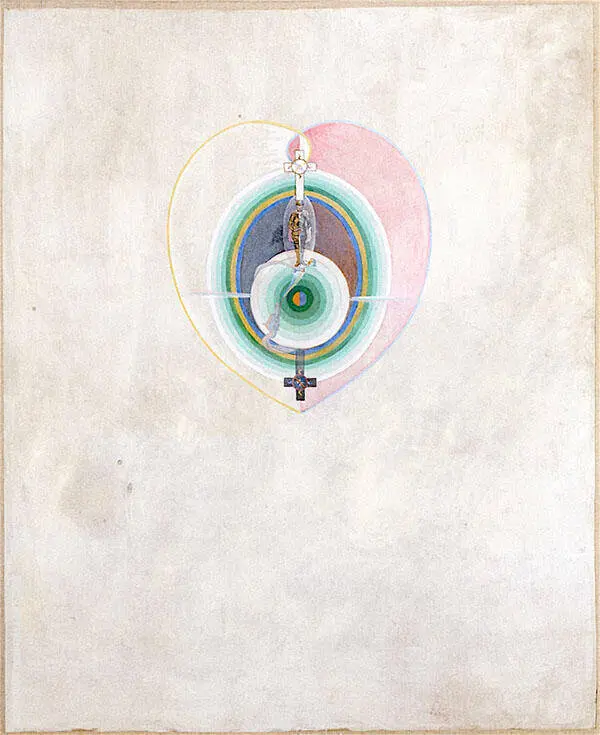
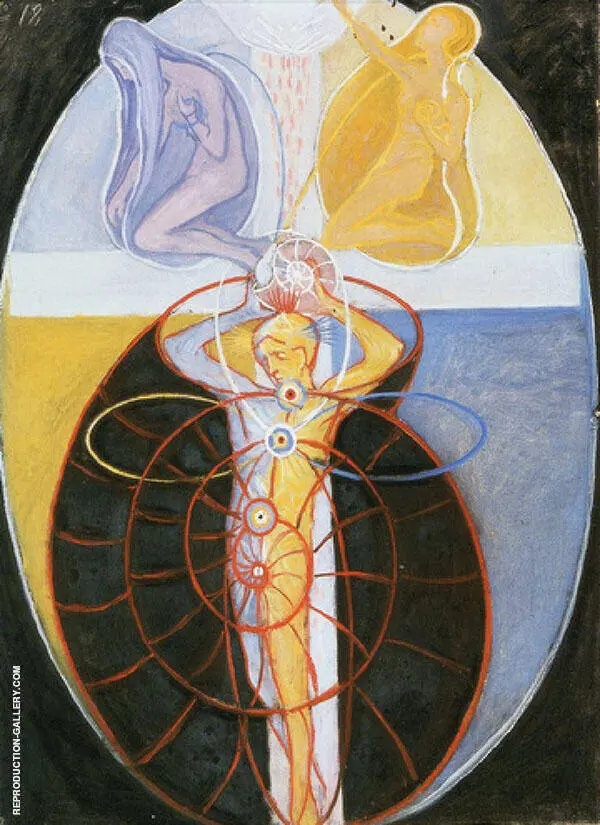
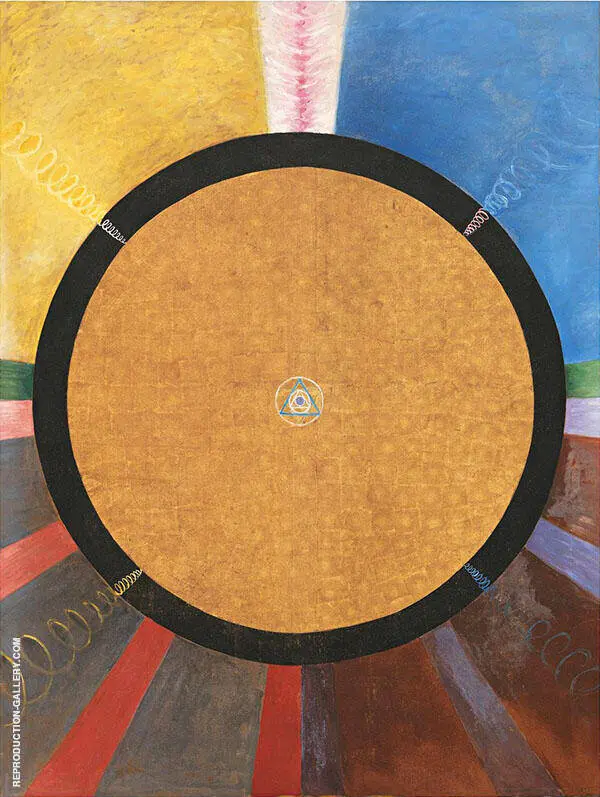
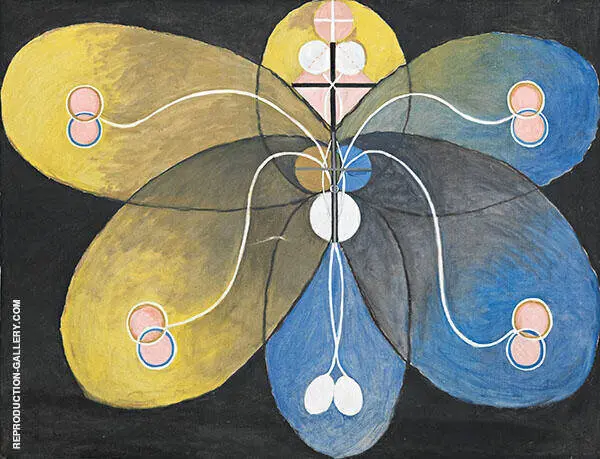
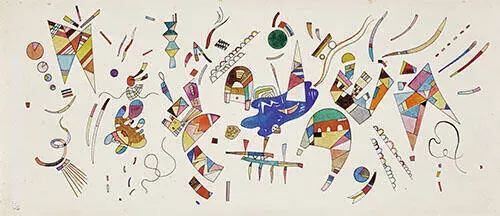
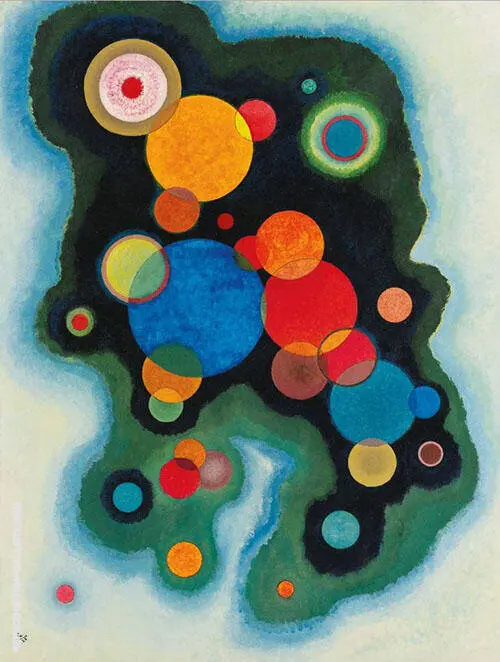
Hilma af Klint explored spiritual ideas through symbolic forms and geometric compositions years before abstraction became widely recognized. At almost the same time, Wassily Kandinsky believed painting could express emotion in the same way music communicates without words, an idea that transformed attitudes towards artistic expression.
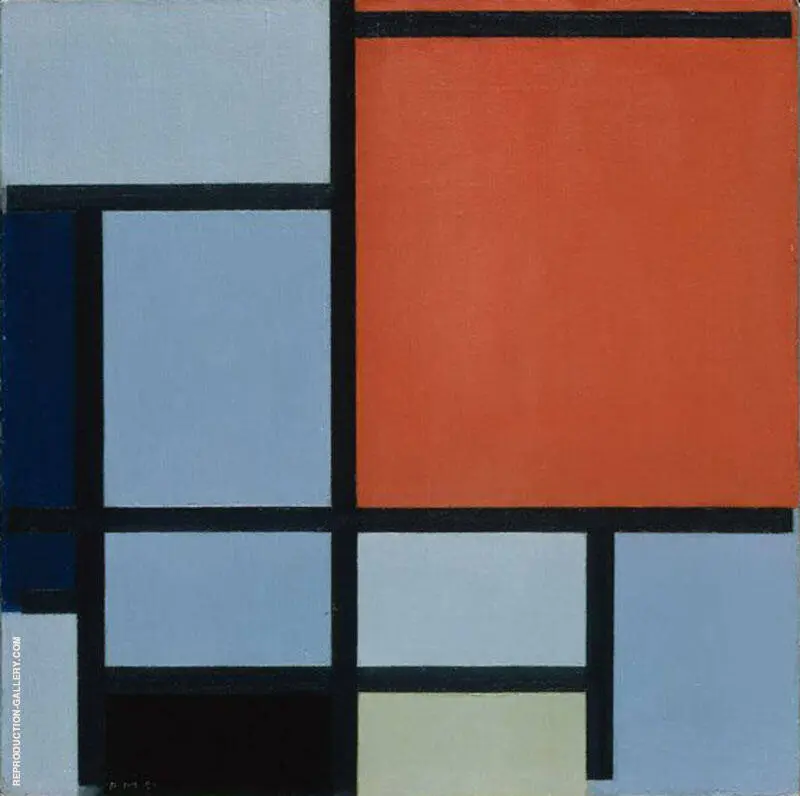
Others searched for order rather than emotion. Piet Mondrian reduced painting to vertical and horizontal lines, primary colors, and carefully balanced compositions, believing simplicity could reveal universal harmony. In Russia, Kazimir Malevich stripped painting back even further through Suprematism, proving that the simplest geometric forms could become complete works of art.
Their methods differed dramatically, but their ambition was remarkably similar. Each questioned the long-held belief that painting had to imitate reality. Their ideas became the foundation of Abstract Art and influenced many of the movements that followed during the 20th century.
Who Were the Pioneers of Abstract Art?
Abstract Art was not created by a single artist or in a single moment. It developed through the work of several pioneering painters who each introduced new ideas about color, form, composition, and artistic expression. Although their styles differed considerably, they shared a willingness to move beyond traditional representation and redefine what painting could achieve.
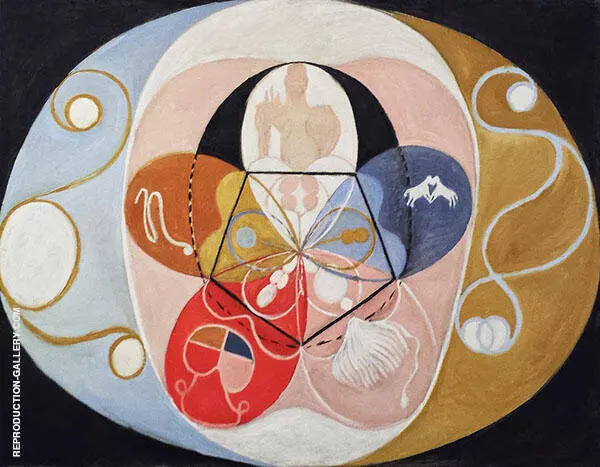
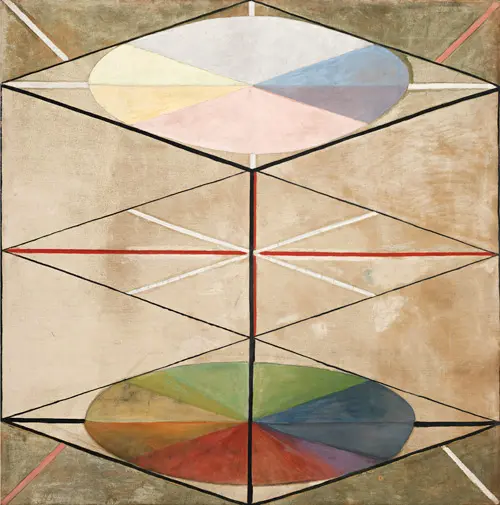
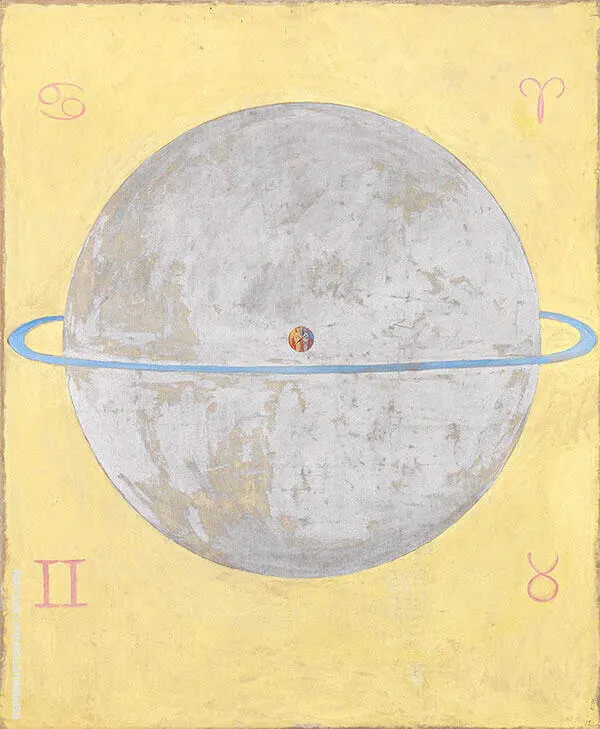
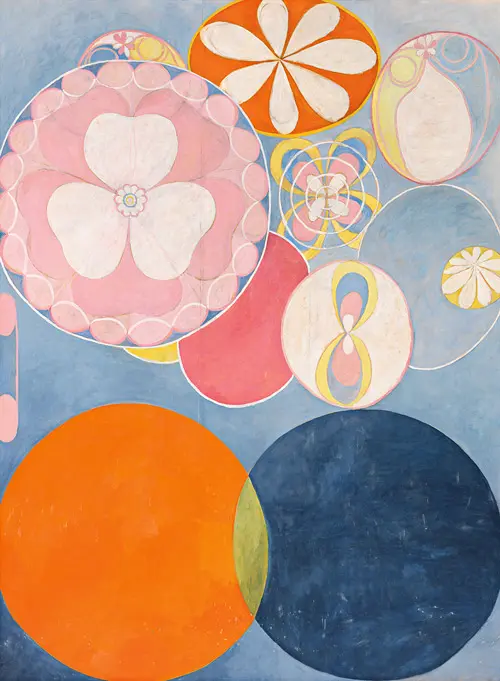
Hilma af Klint produced remarkable non-representational paintings before many of her contemporaries, drawing inspiration from spirituality, symbolism, and geometry. Although her work remained largely unknown during her lifetime, she is now widely recognized as one of the earliest pioneers of Abstract Art.
Wassily Kandinsky is often regarded as the father of abstract painting because he believed that colors, lines, and shapes could communicate emotion in much the same way as music. His paintings demonstrated that artistic expression did not depend on depicting recognizable objects, helping establish abstraction as an entirely new direction in Modern Art.
Piet Mondrian took abstraction in a different direction by reducing paintings to vertical and horizontal lines, carefully balanced compositions, and primary colors. His disciplined approach became known as Neo-Plasticism and influenced not only painting but also architecture, furniture, and graphic design throughout the 20th century.
Kazimir Malevich pushed abstraction even further through Suprematism, reducing painting to simple geometric forms that emphasized pure artistic feeling rather than visual representation. His radical ideas demonstrated that even the simplest shapes could carry profound artistic meaning.
Each of these pioneers expanded the possibilities of painting in different ways. Their ideas laid the foundations for later movements, including Abstract Expressionism and Color Field painting, while continuing to influence artists, designers, and architects around the world.
Do You Need to Understand Abstract Art to Appreciate It?
Abstract Art has remained popular for more than a century because there is no single "correct" way to appreciate it. Unlike a traditional painting that tells a clear story or depicts a recognizable subject, an abstract work invites every viewer to bring their own thoughts, emotions, and imagination to the experience.
It's easy to assume you need to understand an artist's intentions before you can enjoy an abstract painting. In reality, most people respond to what they see. A painting may create a sense of calm, add energy to a room, or draw your eye every time you walk past it. Two people can stand in front of the same artwork and come away with completely different impressions, and that is one of the qualities that makes Abstract Art so rewarding.
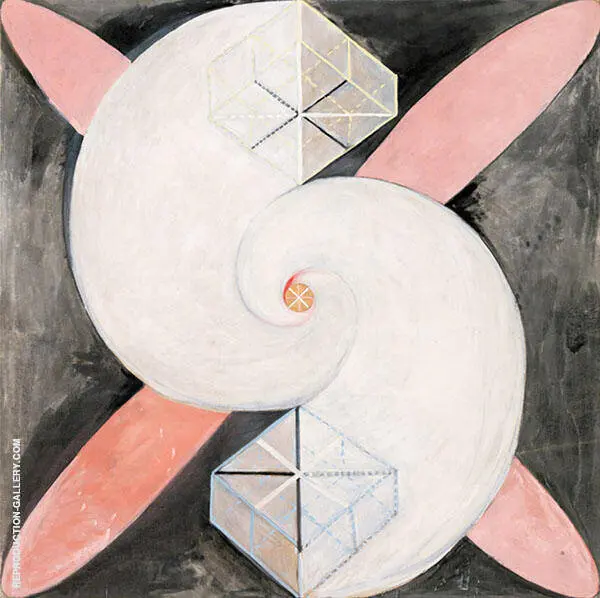
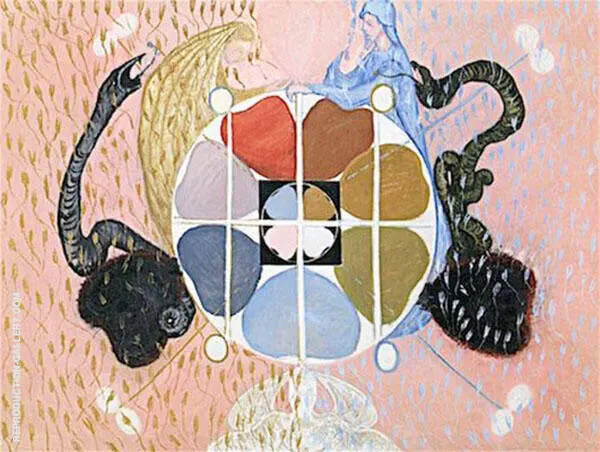
Even specialists continue to discover new ways of looking at abstract paintings. In 2023, the Hilma af Klint Foundation investigated whether Hilma af Klint's The Swan No. 14 (1914–1915) had been displayed in the wrong orientation after a visitor to the Hilma af Klint & Piet Mondrian exhibition at Tate Modern noticed that it differed from the rest of the series. Comparisons with the artist's own notebooks prompted the Foundation to review the painting, reminding us that Abstract Art can still reveal new perspectives, even after decades of study.
Perhaps that is one of the movement's greatest strengths. You do not need an art history qualification or specialist knowledge to appreciate Abstract Art. If you enjoy living with a painting, look forward to seeing it every day, or discover something new each time you stop to look, then it has already achieved exactly what great art is meant to do.
Who Started the Abstract Art Movement?
For much of the 20th century, Wassily Kandinsky was widely credited with creating the first abstract paintings. His work showed that color, line, and composition could communicate emotion without relying on recognizable subjects, fundamentally changing ideas about what painting could be.
Research over the past two decades has revealed that the story is more complex. Hilma af Klint created remarkable abstract paintings from 1906, several years before Kandinsky's earliest non-representational works. Her paintings remained largely unseen during her lifetime, but major international exhibitions have since prompted historians to reassess the origins of Abstract Art.
The movement was shaped by many artists rather than a single founder. Piet Mondrian explored harmony through geometric composition, Kazimir Malevich reduced painting to simple forms through Suprematism, and later Jackson Pollock and Mark Rothko expanded abstraction in bold new directions. Together, their ideas established Abstract Art as one of the defining movements of Modern Art.
Why Are There So Many Different Styles of Abstract Art?
Abstract Art is often spoken about as though it were a single style, but it has always been a movement built on experimentation. Once artists moved away from realistic representation, they were free to explore different ways of expressing ideas, emotions, and visual harmony. As a result, Abstract Art developed into a wide range of styles, each with its own distinctive character.
Some artists believed simplicity created the greatest impact. Piet Mondrian developed Geometric Abstraction, using straight lines, balanced compositions, and primary colors to achieve a sense of order and harmony. Kazimir Malevich took an even more radical approach through Suprematism, reducing paintings to simple geometric forms that focused on pure artistic expression rather than the visible world.
Other artists explored abstraction in a much more expressive way. Abstract Expressionists, including Jackson Pollock, embraced movement, energy, and spontaneous brushwork, while Mark Rothko demonstrated that large areas of carefully balanced color could create powerful emotional responses. Their paintings looked very different, yet both reflected the belief that art could communicate without depicting recognizable subjects.
This variety is one of the reasons Abstract Art continues to appeal to such a wide audience. Some people are drawn to the calm order of geometric compositions, while others prefer energetic brushwork or the quiet atmosphere created by color alone. Rather than following a single formula, Abstract Art offers many different ways to experience and enjoy painting.
The movement was shaped by many artists rather than a single founder. Piet Mondrian explored harmony through geometric composition, Kazimir Malevich reduced painting to simple forms through Suprematism, and later Jackson Pollock and Mark Rothko expanded abstraction in bold new directions. Together, their ideas established Abstract Art as one of the defining movements of Modern Art.
What Is the Enduring Appeal of Abstract Art?
The enduring appeal of Abstract Art lies in its ability to mean something different to every viewer. Unlike paintings that depend on a particular story, historical event, or recognizable subject, abstract works leave room for personal interpretation. They continue to feel fresh because each person experiences them in their own way.
Abstract paintings are also remarkably versatile. They complement contemporary interiors just as comfortably as traditional homes, bringing color, balance, texture, and atmosphere without competing with existing décor. Whether your style is minimalist, classic, or eclectic, there is an abstract painting to suit almost every space.
Large abstract paintings are particularly effective in open-plan homes, offices, hotels, and reception areas where they create an immediate visual impact. Bold colors and expressive compositions can transform a plain wall into the focal point of a room, while more subtle designs add depth and character without overwhelming the surrounding space. Their ability to enhance both residential and commercial interiors is one of the reasons they remain so widely chosen by homeowners, businesses, architects, and interior designers.
Perhaps the greatest strength of Abstract Art is that it rarely feels dated. As fashions change and interiors evolve, many abstract paintings continue to look relevant because they are appreciated for their color, composition, and emotional impact rather than a specific subject or period. That timeless quality has helped Abstract Art remain one of the most enduring and widely collected movements in Modern Art.
If you would like to explore some of the movement's best-known works, visit our Famous Abstract Paintings collection, featuring museum-quality hand-painted oil painting reproductions by many of the artists discussed on this page.
Why Buy a Hand Painted Abstract Art Reproduction?
A hand-painted Abstract Art reproduction captures qualities that a print cannot reproduce. Every brushstroke, subtle variation in color, and layer of texture contributes to the character of the finished painting. This is especially important in Abstract Art, where the movement of the brush, the depth of the paint, and the relationship between colors are often as significant as the composition itself.
Your painting is assigned to one of our professional artists with experience in abstract painting techniques. Recreating the precise geometry of Piet Mondrian requires different skills from capturing the expressive energy of Jackson Pollock or the subtle color harmonies of Mark Rothko. Assigning each commission to the right specialist helps preserve the style, balance, and visual character of the original painting.
A wide range of sizes is available, from smaller paintings for intimate spaces to impressive statement pieces for large walls. Every painting is created entirely by hand using professional oil paints on canvas. If you're unsure which size is right for your home, office, or commercial space, our Buying Guide will help you choose the size that best suits your room and available wall space.
Large abstract paintings are particularly effective in offices, hotels, reception areas, and open-plan living spaces, where colour, scale, and composition can transform a plain wall into a striking focal point. Smaller works bring character and atmosphere to more intimate rooms.
If you cannot find the Abstract Art painting you are looking for in our catalog, let us know the artist or painting you have in mind. If a suitable high-quality reference image is available, we can often add it to our standard catalog, giving you access to the same wide range of size options as our existing paintings before creating a hand-painted oil painting especially for you.
You can also visit our Completed Paintings Gallery to see examples of hand-painted oil paintings created by our artists for previous customers.
For almost 30 years, Reproduction Gallery has helped art lovers around the world enjoy museum-quality hand-painted oil paintings. We look forward to sharing that same passion and craftsmanship.

Testimonial from Jim McC, Chicago



Enter Your Private Gallery
Log in with your gallery ID here
Track Your Order
Type your order number here
Most Popular Artists