




The Boston School of Art Oil Painting Reproductions
Find The Boston School of Art Oil Painting Replicas by The Boston School of Art Artists
The Boston School of Art: A Brief Introduction
The Boston School of Art was a group of artists based in Boston, USA. They produced stunning American Impressionist paintings and were active between 1900 and 1930.
Their artwork encompasses a more traditional approach to portraiture and a deep respect for the classical traditions of Western art. Nonetheless, these artists brought their own intensely regional style and sensitivity to their oil paintings. The Boston School artists combined these attitudes with the more painterly Impressionist approach emerging from France at the time.
This brief introduction presents the most famous artists of the Boston School of Painting and their famous oil paintings.
What art style did the American Boston School Artists use?
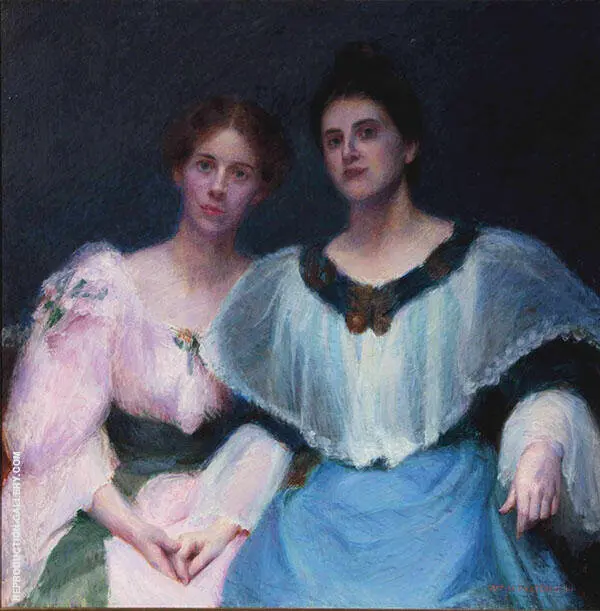
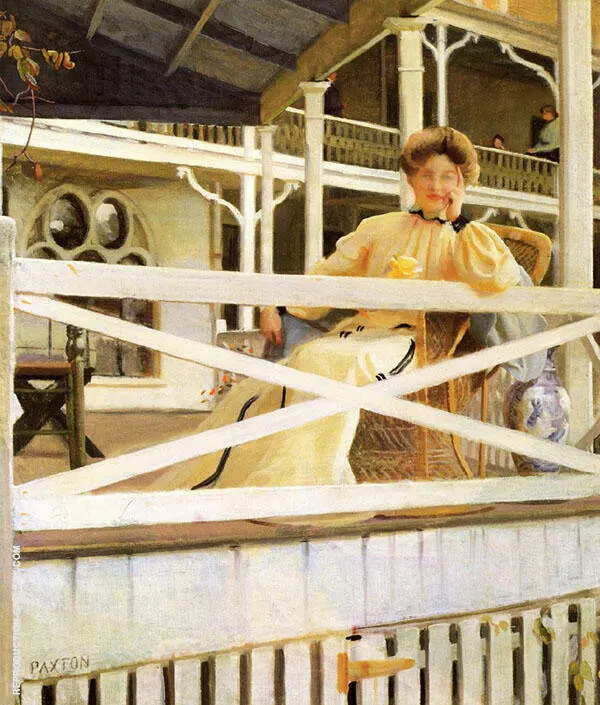
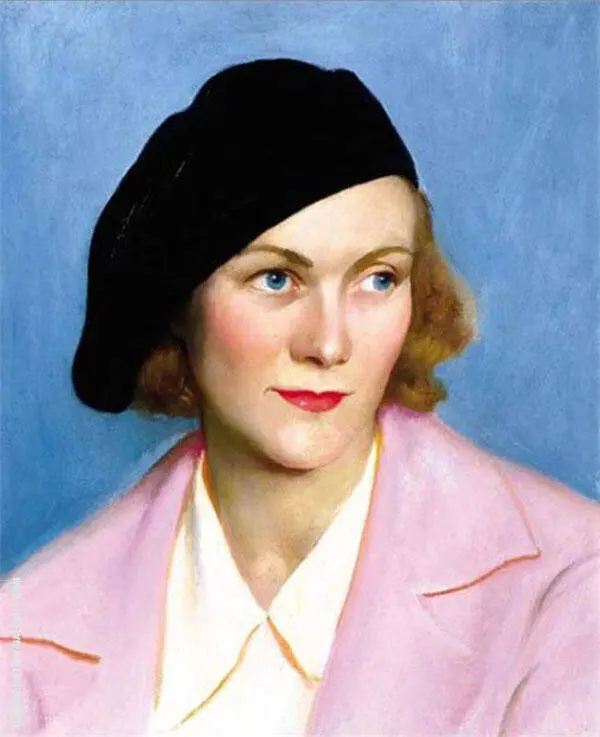
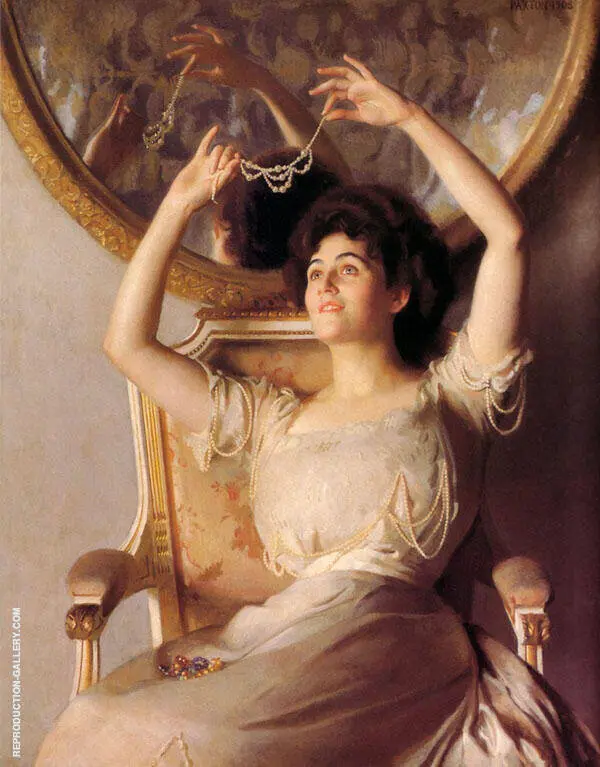
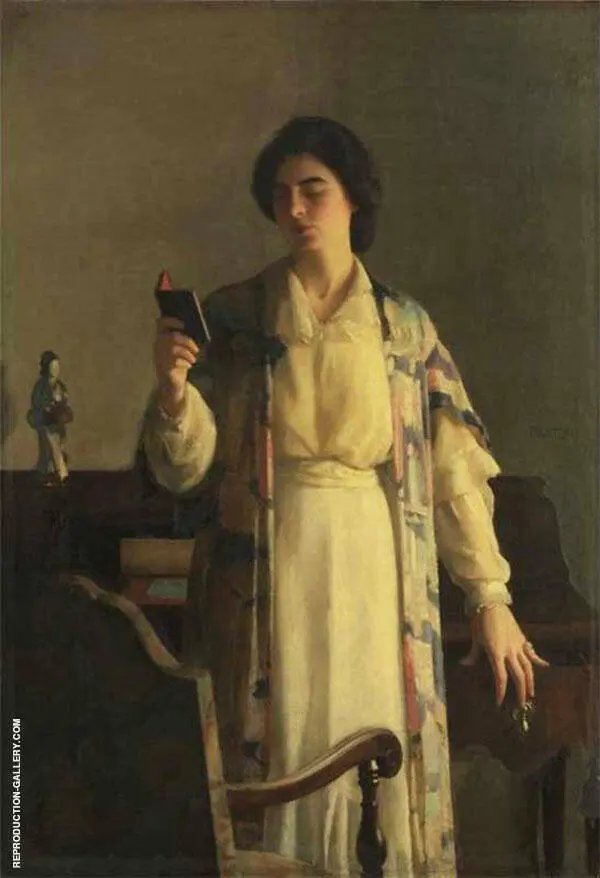
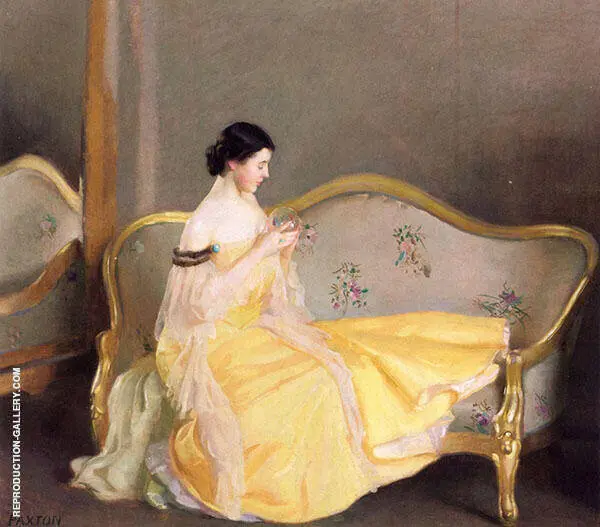
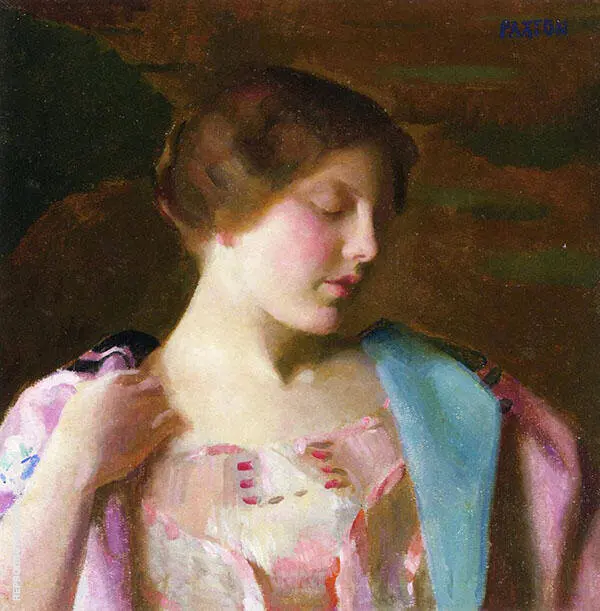
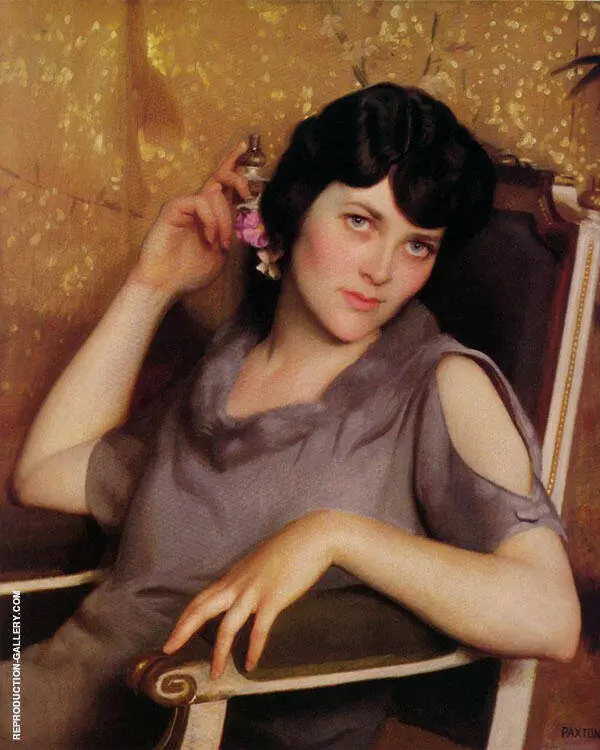
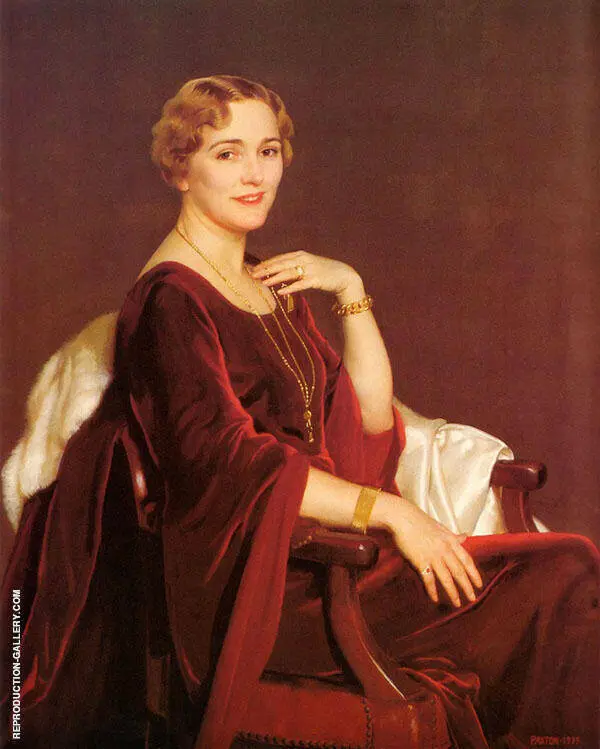
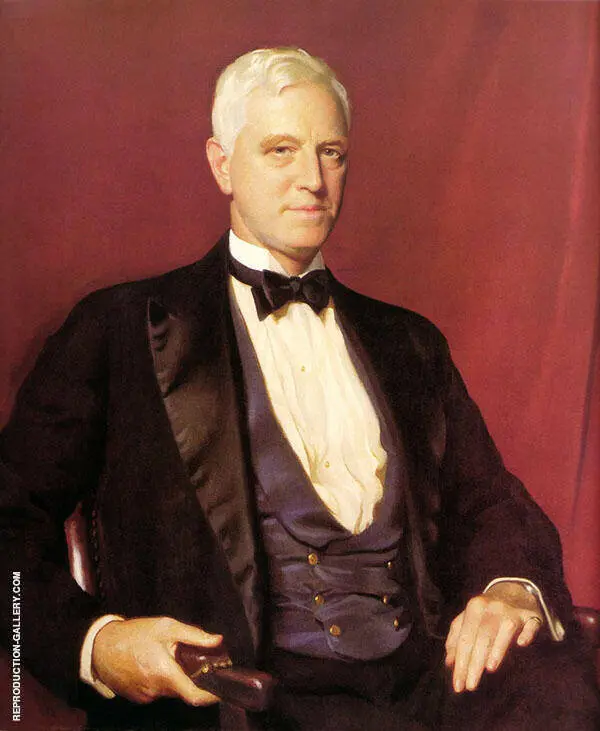
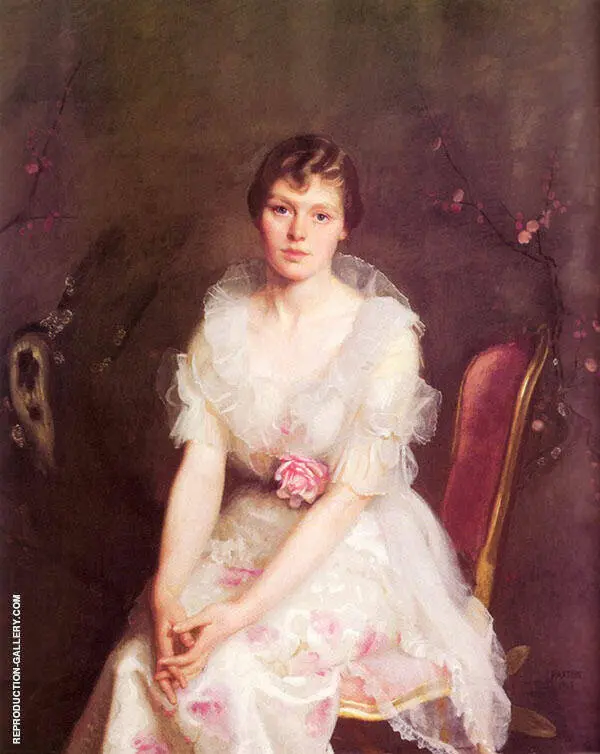
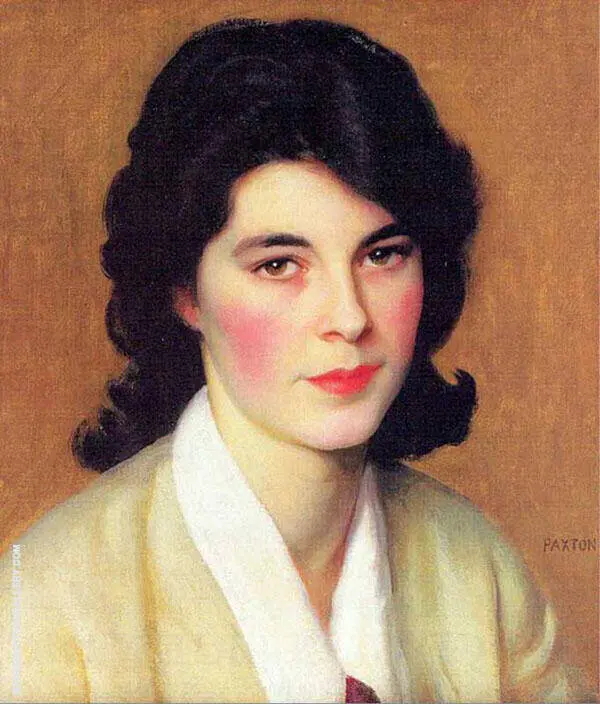
Boston School artists typically painted “genteel” subject matter, including picturesque landscapes, portraits of beautiful young women, and portrait paintings.
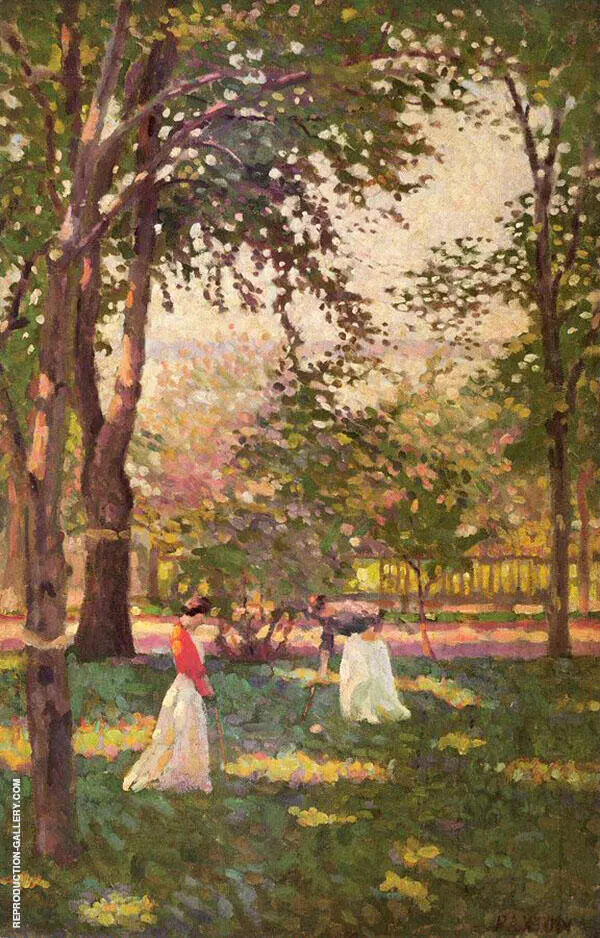
Drawing inspiration from Claude Monet's impressionist paintings, this new group of young artists believed that Monet's paintings elevated color and light to their proper place.
They also profoundly respected the society portrait paintings of John Singer Sargent and the domestic scenes of the Dutch Golden Age painter Johannes Vermeer.
In addition, the Boston School’s “direct painting” approach stemmed from a fascination with the famous Baroque paintings of Diego Velázquez. This painting technique applies thick color directly to the canvas, leaving no white space. Instead, details and light effects emerge through layers of paint, finally finished in bright white tones.
Who were the famous American painters at the Boston School?
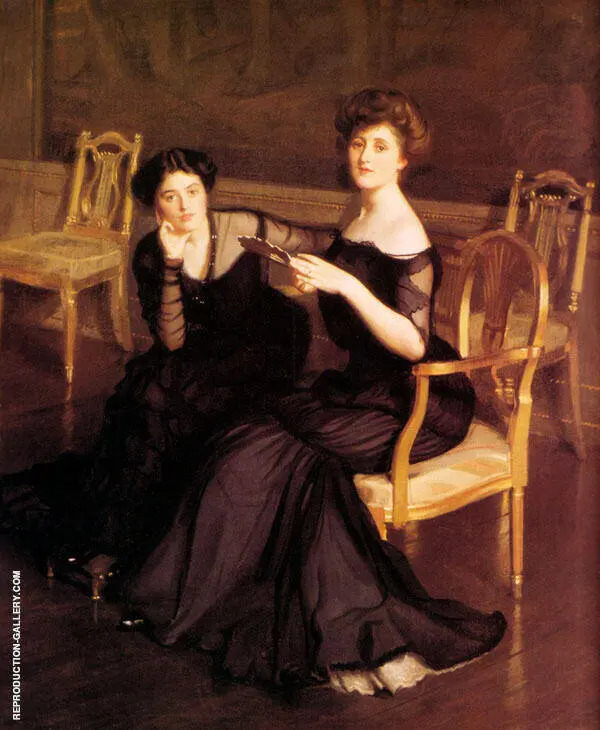
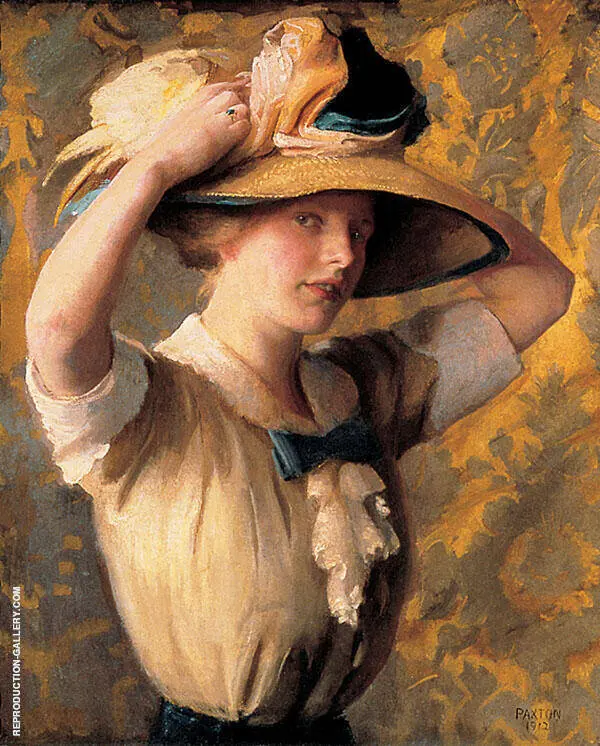
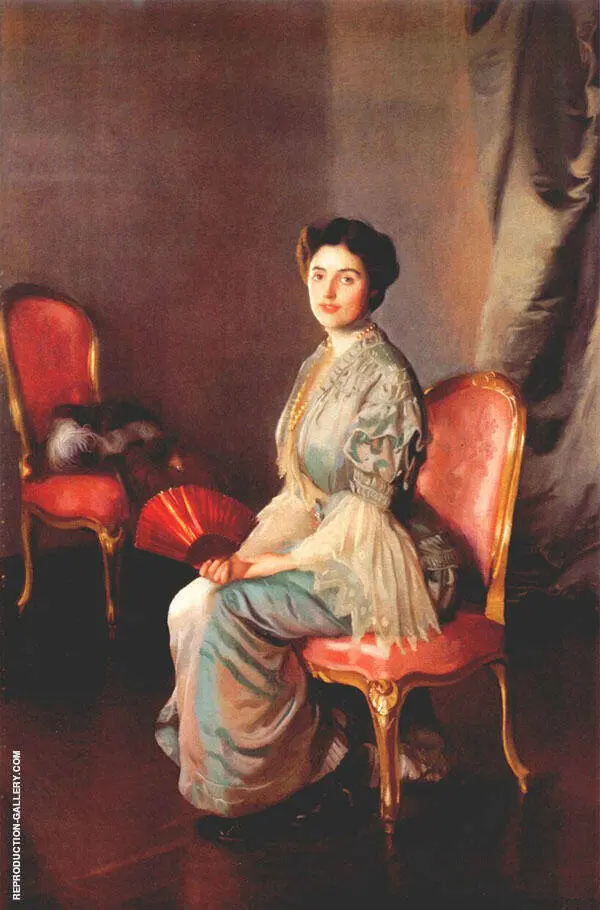
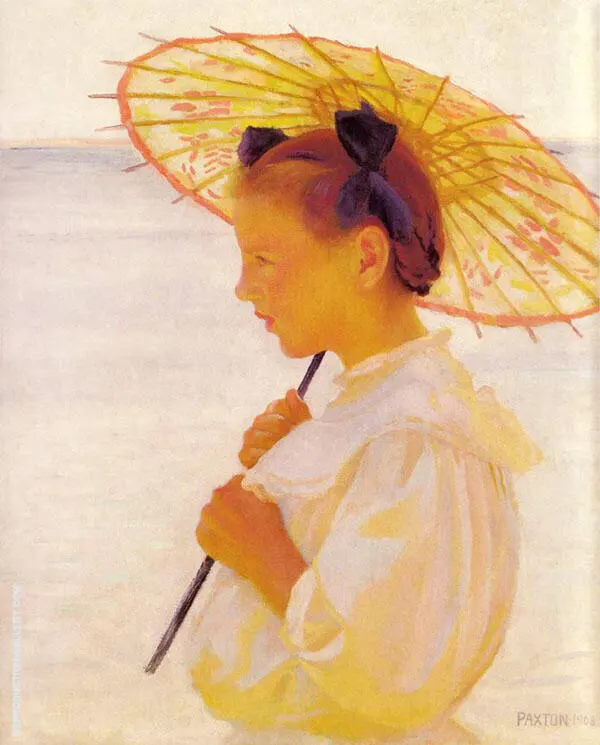
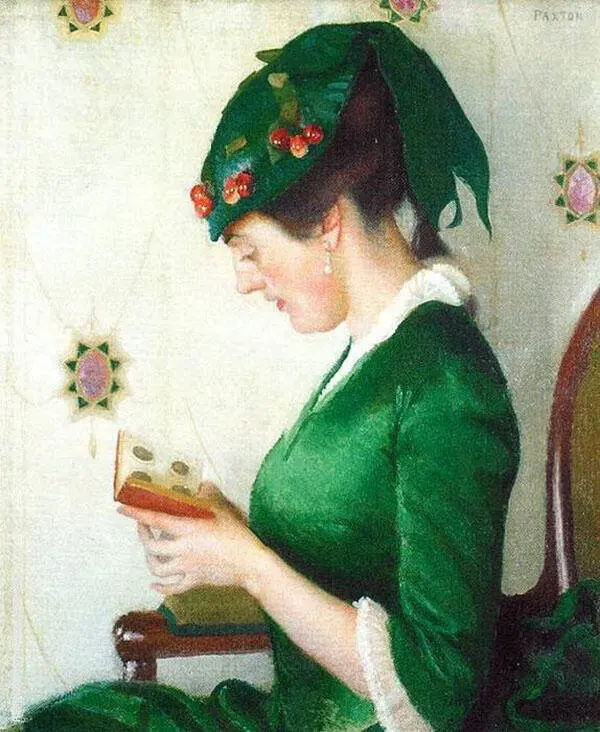
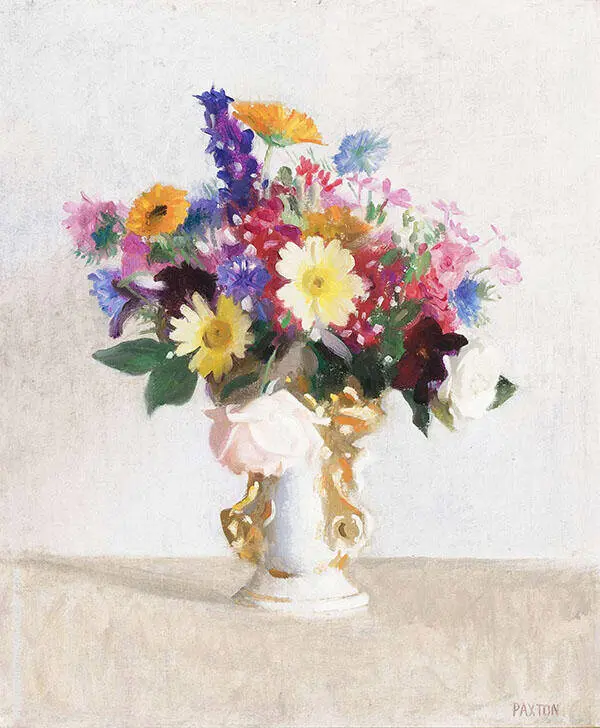
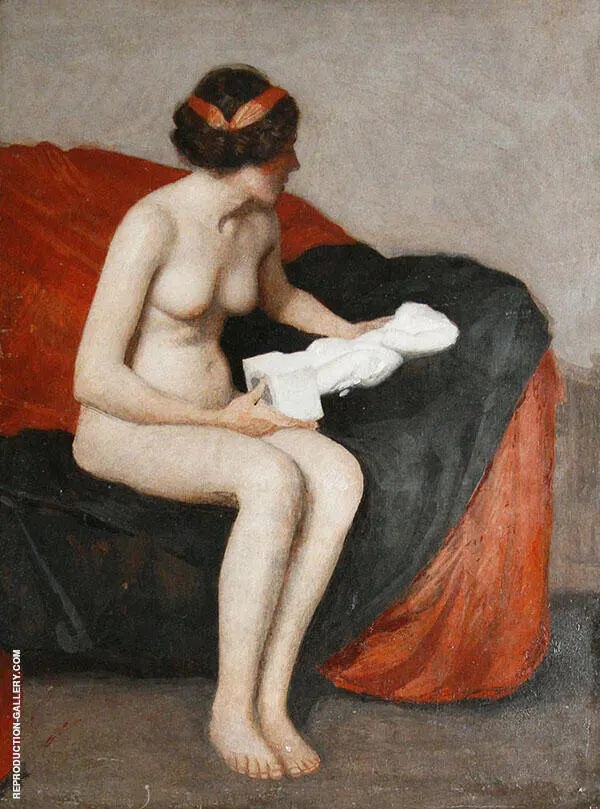
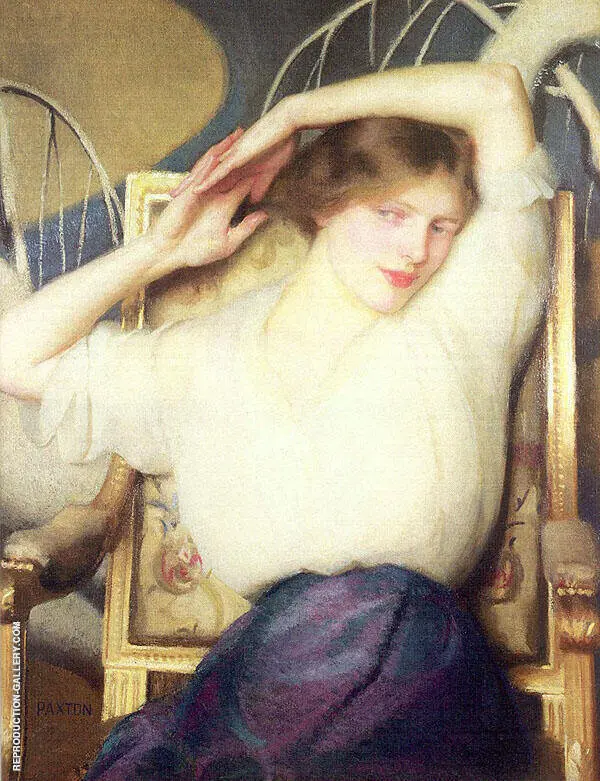
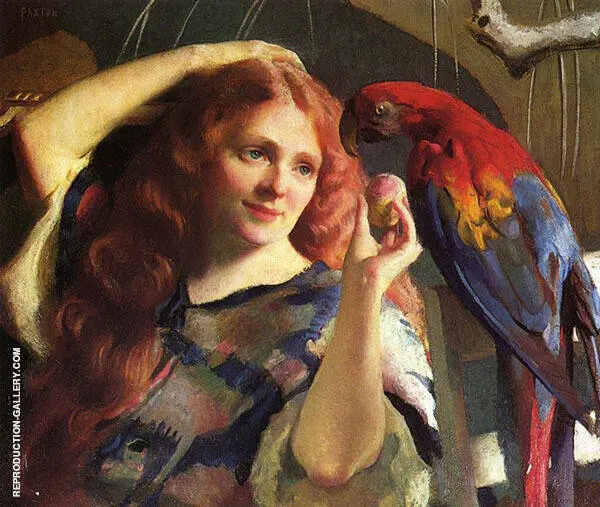
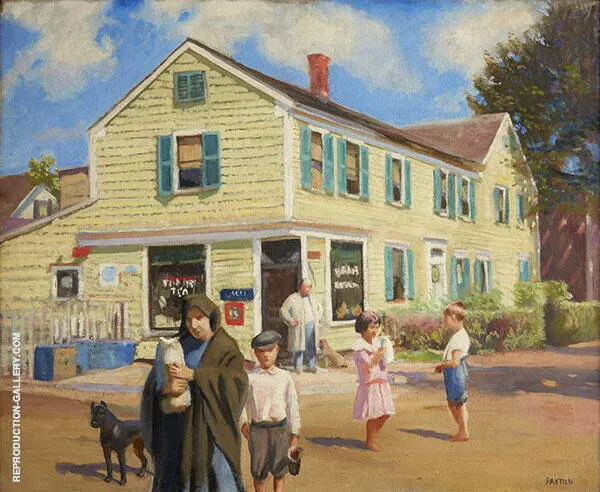
Famous Boston School painters include Frank Weston Benson, William Paxton, and Edmund Tarbell. These three young American artists were part of a steady stream of American painters who completed their art education on the continent.
The Académie Julian in Paris was the most prestigious and, therefore, most sought-after educational institution. Most Boston School artists studied at the Académie Julian, where they learned the fundamentals of traditional Academic art and figure painting. This instruction then fed into inspiration for their American paintings.
Many of these artists also later taught at the School of the Museum of Fine Arts in Boston.
Even before their travels to France, many Boston School artists received conventional European-style art training in America. This background explains the Group’s love of Impressionist paintings and their ideas.
What inspired Boston School of Art painters?
The Boston School artists had a profound interest in French Impressionist paintings, stemming from the influential American art educator William Morris Hunt.
Responsible for the introduction of Barbizon art into the U.S., Hunt studied in Paris and opened an art school in Boston.
William Morris Hunt was inspired by the paintings he saw on the continent, and upon his return to America, he encouraged many wealthy Boston residents to support these new and innovative French artists.
As a result, Boston patrons and art museums purchased paintings by Pierre-Auguste Renoir, Claude Monet, and Jean-François Millet. For example, in 1911, the Museum of Fine Arts in Boston organized an entire exhibition of Monet’s paintings.
Frank Weston Benson, William Paxton, and Charles Tarbell all studied and taught at the School of the Boston Museum of Fine Arts. As a result, they adopted William Morris Hunt’s love of French Impressionist techniques.
What are the Characteristics of Boston School paintings?
Edmund Tarbell was particularly influential in the Boston School of Art. He also participated in the “Ten American Painters” group, which challenged conservative trends in American art.
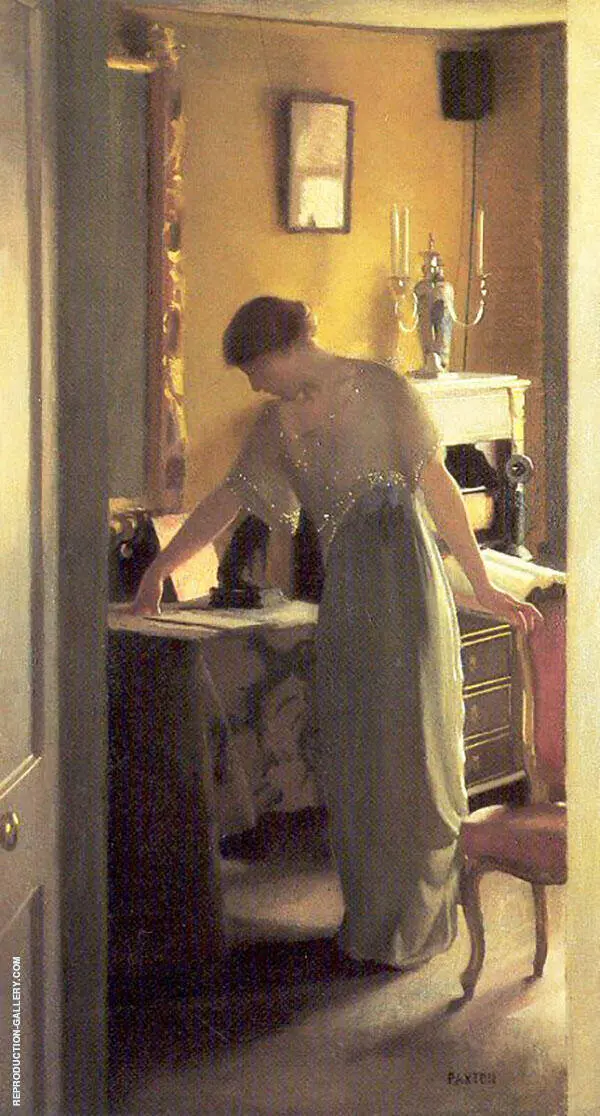
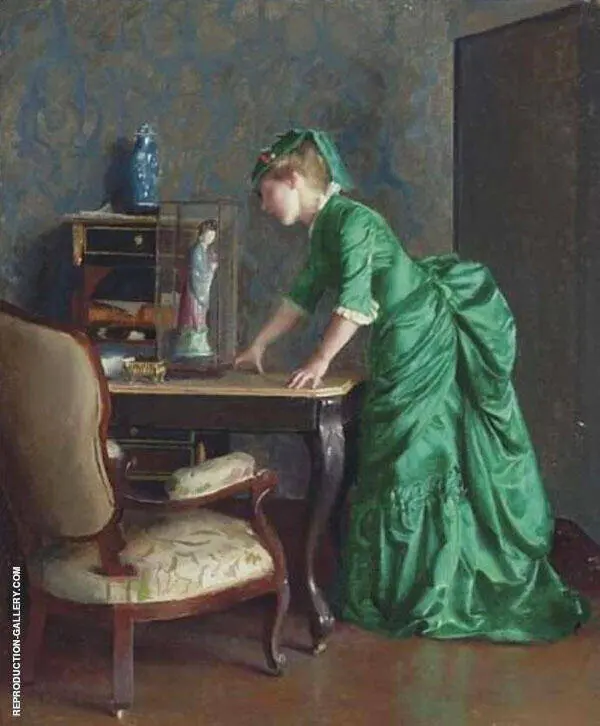
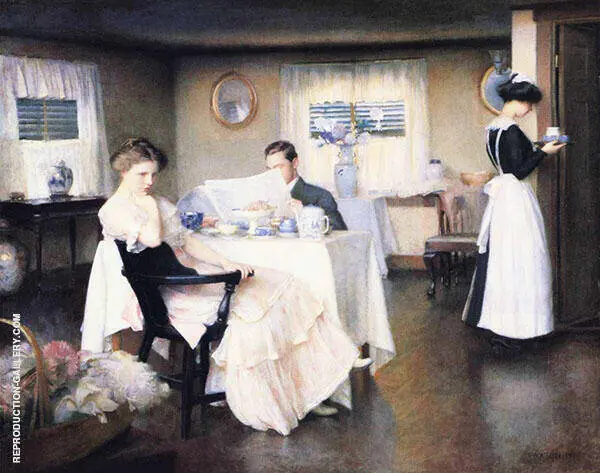
Tarbell's paintings inspired many fellow artists known as the “Tarbellites”. Like many Boston School painters, they painted Impressionist and Barbizon-inspired landscapes and also genre paintings of domestic life, featuring women engaging in household chores.
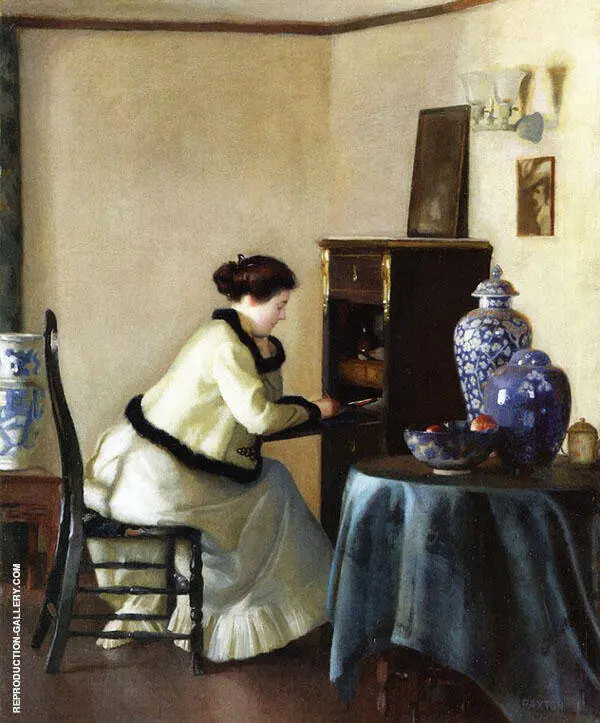
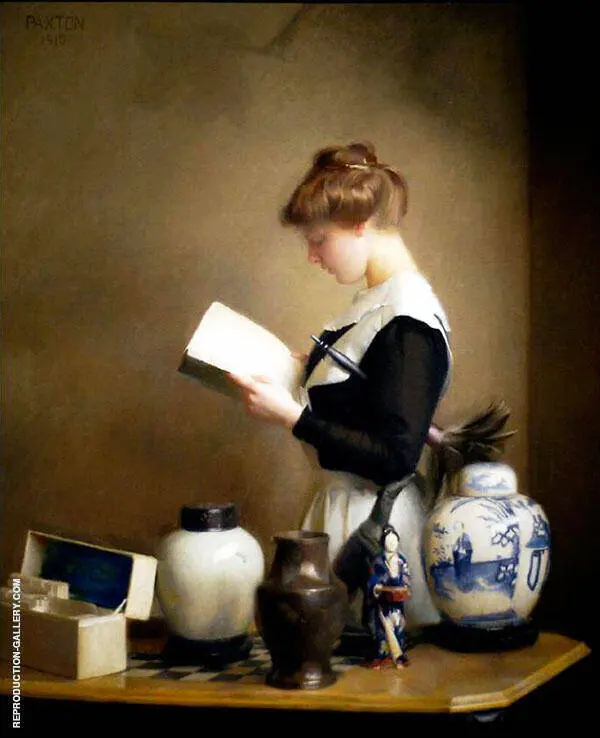
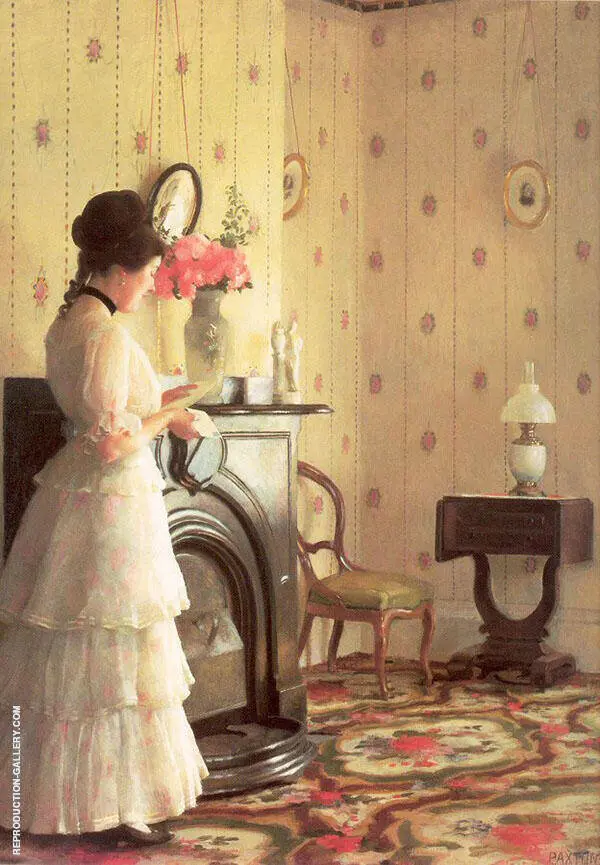
William M Paxton’s The Housemaid and The Front Parlor oil paintings exemplify this approach and reference Dutch Golden Age artists, such as Johannes Vermeer.
Individual portraits, inspired by John Singer Sargent, were also standard. However, some of Frank Weston Benson’s most celebrated paintings were portraits of his own family. For instance, Summer 1909 and Eleanor 1907, both depict his daughters near their home on North Haven Island, Maine.
Edmund Tarbell created light-filled outdoor portraits inspired by the French “en plein air” approach. One of his best-known paintings is Three Sisters Study in Sunlight, which was painted in 1890.
What was the Boston Art School's style of painting?
Various influences gradually came together to form the “Boston School style” we know today. For example, the American Impressionist paintings of William Merritt Chase illustrate a new regional style, often described as the “offspring” of European art. Nevertheless, Chase noted how these American artists’ creations no longer strictly resembled their European inspirations.
While European Impressionist art moved towards Symbolism and Post-Impressionism, the Boston School of painting took a different approach. They valued technical skills, realistic compositions, and classical beauty. Nonetheless, they kept the “loose” style of expressive brushstrokes and fleeting effects of light prized by European artists.
As well as leading names such as Tarbell, Paxton, and Benson, other artists associated with the Boston School included Philip Leslie Hale, Aldro Hibbard, John Joseph Enneking, and Joseph DeCamp.
Unusually for the time, the School members welcomed female painters among their ranks. These famous women artists include Lila Cabot Perry, Lilian Westcott Hale, Elizabeth Okie Paxton, and Gretchen Woodman Rogers.
How were Boston School artists received?
Because they respected classical painting techniques, avant-garde critics often viewed these artists as traditionalists. Taking the opposite approach, fine art academies also chastised them for their loose brushwork and Impressionist techniques.
Despite a mixed critical response, Boston School artists dominated the American art scene during the 1930s and 1940s. Their dedication to painterly detail and quality artisanship set the Boston School artists apart from modernist artists.
The influence of the Boston School of Painting is still strong today. Indeed, many Boston-area artists continue crediting artists such as Frank Weston Benson and Edmund Tarbell as key inspirations.
However, these artists also continue to divide modern critical opinion, with some contemporary critics deriding their exclusive focus on upper-class Americans.
This is seen in paintings such as Edmund Tarbell’s The Breakfast, in which servants appear only as background figures in the windows and doorways.
The Boston School of Painting: American Impressionist Oil Paintings
Discover oil paintings for sale by American artists Edmund Tarbell and Frank Weston Benson in our Boston School of Painting art collection.
You can now buy fine art reproductions to enjoy in your home or office, whether it’s an elegant, famous portrait or an American landscape painting.


Enter Your Private Gallery
Log in with your gallery ID here
Track Your Order
Type your order number here




Cannot Find What You Are Looking For?
Reproduction Gallery Information
Customer Service

(Send Us A Message)

Tel: (302) 513 3464