




Emily Carr Oil Painting Reproductions
Emily Carr replica paintings on Canvas for sale
Emily Carr Paintings: A Famous Canadian Artist
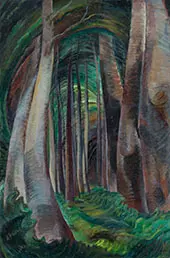
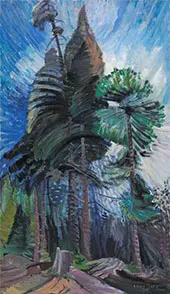
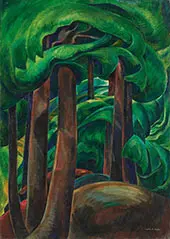
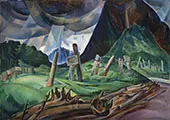
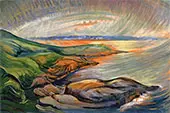
Emily Carr is one of Canada’s most well-known and influential artists. Her oil paintings reflect the natural landscapes and Indigenous culture of British Columbia, blending post-impressionism with First Nations Art. Discover more about the life and art of Emily Carr.
Born in 1871 in Victoria, British Columbia, Emily Carr’s childhood was surrounded by the forests and coastlines of the Pacific Northwest. It was these landscapes that provided the inspiration and cornerstone of her paintings.
After formal art training in San Francisco, Emily Carr moved to England and studied at the Westminster School of Art. However, Emily Carr’s distinctive artistic style developed upon her return to Canada.
Post Impressionism Paintings: Emily Carr’s Unique Painting Style.
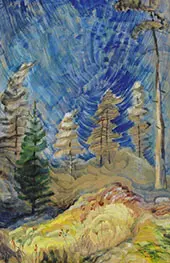
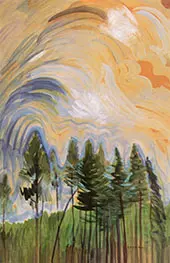
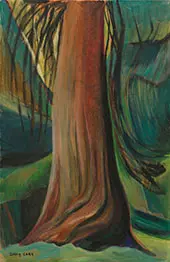
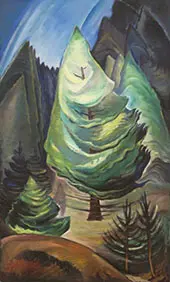
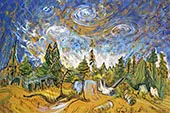
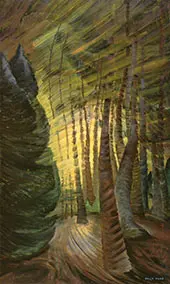
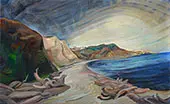
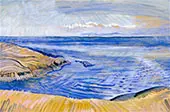
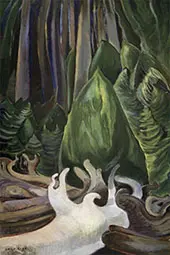
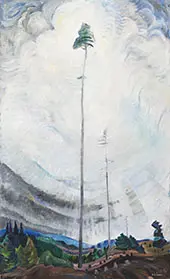
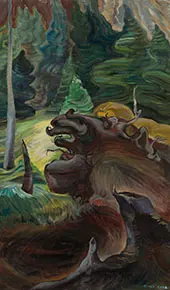
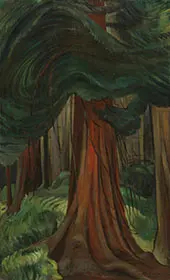
Her paintings are often associated with post-impressionist artists and are characterized by vivid colors with a thick application of paint. However, Emily Carr’s paintings are uniquely Canadian and capture the essence of British Columbia’s wilderness landscapes.
Emily Carr’s connection to First Nation Art.
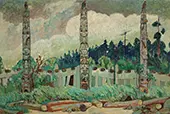
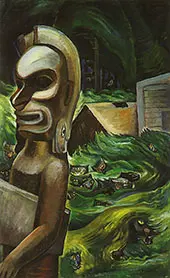
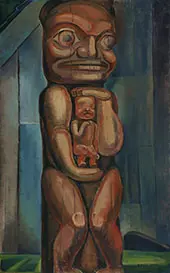
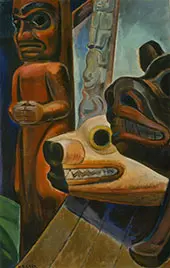
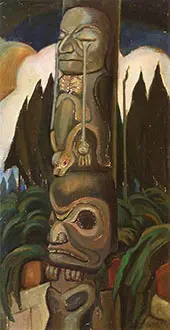
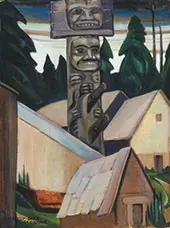
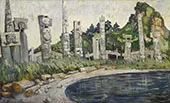
Emily Carr spent a significant amount of time living among Indigenous communities, where she took the time to learn about their art, traditions, and culture. Her paintings often feature totem poles and other elements of First Nation culture. She is one of the first Canadian artists to incorporate indigenous themes in her paintings. Her work in this area was pioneering.
Notable Oil Paintings
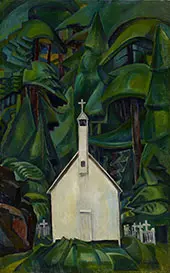
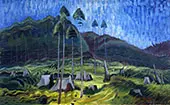
The Indian Church is one of Emily Carr’s most famous paintings. It shows the tension and harmony between First Nations people and European settlers. Completed in 1929 the painting illustrates her ability to blend post impressionist painting techniques with an indigenous theme. It depicts a simple white Church set against the background of a dense forest in British Columbia.
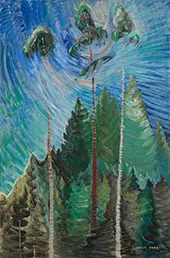
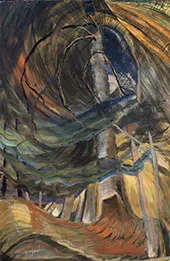
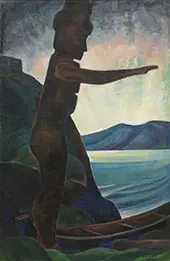
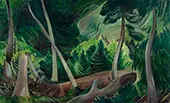
Big Raven (1931) is another Emily Carr painting that illustrates her profound connection with indigenous culture and the natural world, featuring a large raven —a significant symbol in First Nation myths.
The Raven stands out against tall trees and swirling skies. This showcases the artist's skill with vibrant colors and bold shapes. The artwork conveys both movement and emotion.
The Influence of The Group of Seven Artists.
Carr’s paintings are often linked to the Group of Seven, a collective of Canadian landscape artists. People recognize Canadian artists Lawren Harris and Frederick Varley for their colorful oil paintings of the Canadian wilderness. Many of Emily Carr’s paintings demonstrate similarities with the group’s style and themes.
Carr formed a close friendship with Lawren Harris, a central figure in the Canadian Group of Seven. He introduced her to the spiritual and elements of abstract art paintings, encouraging her to explore new techniques. As a result, her recognition with the Canadian art scene increased.
A Trailblazer for Canadian Artists
Emily Carr’s art has left a lasting impression on Canadian Art. As a Canadian artist, she explored new ideas in her paintings. Other mainstream artists often ignored these themes. Today, she is a source of inspiration to contemporary artists.
Emily Carr: A Famous Female Artist
Art collectors and enthusiasts prize her paintings. Her oil paintings are found in major art galleries across Canada, including the Art Gallery of Ontario and the Vancouver Art Gallery.
Painting reproductions of famous art by Emily Carr offers an affordable way to enjoy her work. They also help bring Canadian culture into your home.
Fine art reproductions are a great addition to any art collection. Emily Carr's art allows art lovers to enjoy vibrant paintings that showcase her unique style.





Enter Your Private Gallery
Log in with your gallery ID here
Track Your Order
Type your order number here




Cannot Find What You Are Looking For?
Reproduction Gallery Information
Customer Service

(Send Us A Message)

Tel: (302) 513 3464