




Fra Angelico Oil Painting Reproductions
Fra Angelico replica paintings on Canvas for sale
Fra Angelico's Masterpiece Paintings in Renaissance Art
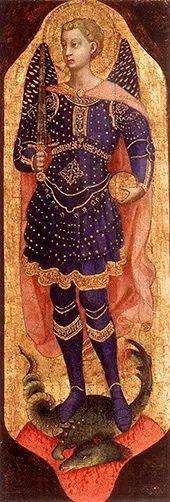
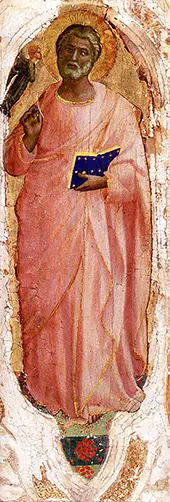
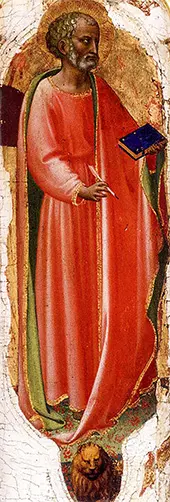
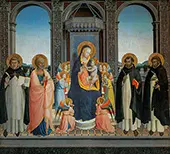
The Fra Angelico is one of the most important Italian painters of the Italian Renaissance, celebrated for his serene religious paintings and iconic angel imagery. His masterpieces combine the early Renaissance art movement realism with deep spiritual devotion, making him a central figure in the history of Christian art.
Fra Angelico’s paintings are admired for their calm beauty, symbolic clarity, and ability to communicate sacred themes through light, color, and harmonious composition.
Who Was Fra Angelico? His Life and Background
Fra Angelico was born Guido di Pietro around 1395 in Mugello, Italy. He later joined the Dominican Order, dedicating his life to religious service and sacred painting.
Known as Il Beato Angelico, “The Angelic Brother”, he produced devotional artworks characterized by calm figures, luminous color, and spiritual clarity. Nearly all of Fra Angelico’s paintings were created for churches and monasteries, reinforcing his role as one of the most essential religious painters of the Renaissance.
Early Life and Artistic Training in Florence
Fra Angelico was trained in Florence, the epicenter of Renaissance art. Exposure to Florentine workshops introduced him to emerging techniques, including linear perspective, architectural space, and human realism.
Despite these innovations, Fra Angelico maintained a strong symbolic and spiritual focus. His careful attention to detail and theological accuracy allowed his paintings to function as both fine art and religious instruction.
Fra Angelico’s Contribution to Italian Renaissance Art
Renaissance art is defined by humanism, realism, and classical influence. Fra Angelico uniquely combined these elements with profound spirituality.
His paintings are lifelike yet otherworldly and rooted in human emotion while conveying divine presence. This balance distinguishes Fra Angelico from many of his contemporaries and secures his reputation as a master of early Renaissance religious painting.
Most Famous Paintings by Fra Angelico
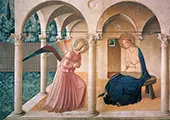
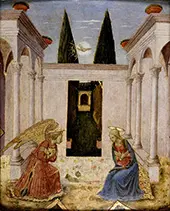
The Annunciation – Convent of San Marco, Florence
Fra Angelico’s The Annunciation is his most famous masterpiece. Painted as a fresco for the Convent of San Marco, it depicts the Angel Gabriel announcing Christ’s birth to the Virgin Mary.
Soft light, delicate colors, and classical architectural space create a serene and contemplative scene, making it one of the greatest Renaissance religious paintings ever created.
The Lamentation Over the Dead Christ
The Lamentation Over the Dead Christ captures intense emotion through restraint. The Virgin Mary and mourners grieve quietly over Christ’s body, emphasizing devotion and spiritual reflection.
This painting is widely regarded as one of Fra Angelico’s most emotionally profound works.
The Crucifixion
Fra Angelico’s The Crucifixion, painted between 1420 and 1423, portrays Christ on the cross with the Virgin Mary and Saint John below.
The work is currently housed at the Metropolitan Museum of Art. It is considered one of the finest early Renaissance crucifixion scenes due to its balance of emotional depth and compositional harmony.
Religious Significance of Fra Angelico’s Renaissance Paintings
Fra Angelico’s paintings served as visual sermons, teaching Christian doctrine through imagery. His calm compositions encouraged meditation, prayer, and spiritual reflection.
By combining theology with artistic beauty, Fra Angelico elevated religious painting to a central role in Renaissance culture.
Artistic Legacy and Influence
Fra Angelico influenced generations of Renaissance artists through his innovative use of light, perspective, and sacred symbolism. His work bridges medieval devotional art and Renaissance realism.
Today, his masterpieces remain essential to the study of early Renaissance painting and religious iconography.
Appreciating Fine Art Reproductions of Fra Angelico
High-quality hand-painted art reproductions allow collectors to enjoy Fra Angelico’s masterpieces in private spaces. Faithful reproductions preserve the color harmony, composition, and spiritual essence of the originals.
Reproduction paintings help keep Renaissance art accessible and relevant to modern audiences.
Conclusion | Fra Angelico’s Enduring Renaissance Legacy
Fra Angelico’s paintings represent divine inspiration, spiritual devotion, and artistic mastery. His serene angel paintings and paintings of Christ continue to define Renaissance religious art.
Among Italian Renaissance artists, Fra Angelico stands as a symbol of grace, faith, and timeless beauty. His masterpieces secure his place among the greatest painters in art history.
Discover religious wall art by other legendary old masters, including Raphael, Michelangelo, and Leonardo da Vinci.






Enter Your Private Gallery
Log in with your gallery ID here
Track Your Order
Type your order number here




Cannot Find What You Are Looking For?
Reproduction Gallery Information
Customer Service

(Send Us A Message)

Tel: (302) 513 3464