




Jan van Eyck Oil Painting Reproductions
Jan van Eyck replica paintings on Canvas for sale
Who is Jan van Eyck?
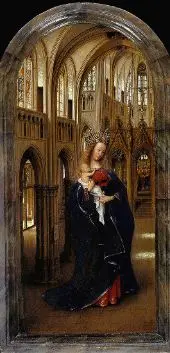
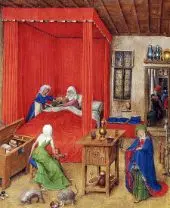
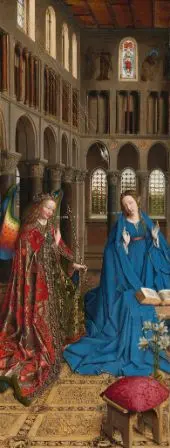
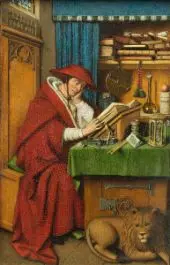
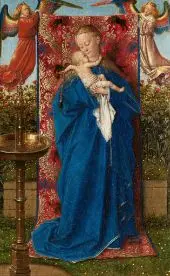
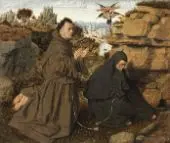
Jan van Eyck and his masterpieces are characterized by their intricate details and are considered some of the finest examples of Renaissance oil paintings.
How does Italian Renaissance Painting differ from Northern Renaissance Art?
The comparison between famous Italian Renaissance art and Northern Renaissance oil paintings sheds light on the diverse styles of the Renaissance art period. Italian Renaissance paintings often depict classic themes and differ in several aspects from those created in Northern Europe, known as the Northern Renaissance.
Northern Renaissance artists Albrecht Dürer and Hieronymus Bosch showcase detailed symbolism and realism. Jan van Eyck's paintings frequently feature landscapes and domestic scenes, characterized by a meticulous attention to everyday life.
Italian Renaissance paintings emphasize the revival of classical aesthetics, with a focus on balance and harmony. In contrast, the Northern Renaissance artists used symbolism to convey religious and moral messages.
When was Jan van Eyck Born?
Van Eyck’s early life is shrouded in mystery; his date of birth is unknown, but it is believed to have been between 1380 and 1390. Historical records indicate that he was a court painter for Philip the Good, Duke of Burgundy, during the 15th century.
As a Court painter, van Eyck was exposed to many opportunities and resources, having access to the finest materials to create portrait paintings of the most influential figures of the period.
Jan Van Eyck’s paintings demonstrate mastery in depicting various materials, including glass, metal, and fabrics. While it is disputed that he was the inventor of oil painting, it is accepted that he significantly advanced the medium.
The artist’s innovative use of glazing, a technique involving multiple layers of thin, transparent oil paint, provided unprecedented depth and luminosity in his paintings. This technique, his detailed approach to human anatomy, and his revolutionary work on light and shadow significantly influenced the development of Renaissance art.
What are van Eyck's Most Famous Paintings?
The Arnolfini Marriage by Jan Van Eyck is his most famous painting and one of our most popular fine art reproductions. The painting depicts a wealthy couple in a domestic setting. The painting offers an insight into 15th-century life, fashion, domestic life, and social status.
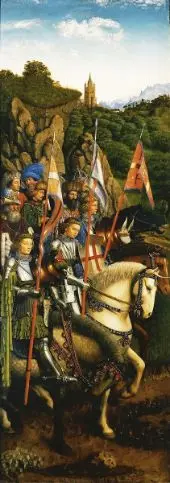
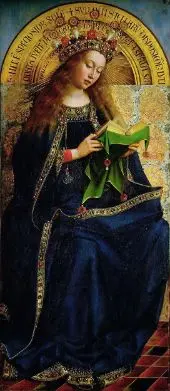
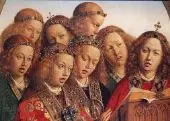
Adoration of the Mystic Lamb: The Ghent Altarpiece. The Adoration of the Mystic Lamb, created in 1432, is a religious painting that forms the central section of the Ghent Altarpiece.
This painting is renowned for its influence. Hubert van Eyck started it, but his younger brother Jan finished the painting. The Monuments Men recovered it in 1945 after numerous thefts had occurred.
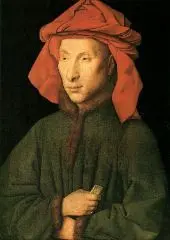
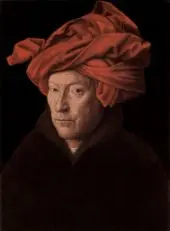
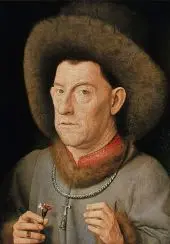
Jan van Eyck Man in a Red Turban – A Self Portrait. Art historians believe that "Portrait of a Man," commonly referred to as "Man in a Red Turban," is a self-portrait painting. The artist painted the original masterpiece in 1433, and it is now located at the National Gallery in London. This painting gazes into the soul and showcases van Eyck’s skill in capturing human expression and naturalistic detail.
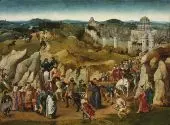
The Crucifixion c1440. Van Eyck's workshop is credited with one of the many paintings of Christ and his Crucifixion. Eyck's religious painting depicts the Virgin Mary and St. John against a landscape background of Jerusalem.
The Legacy of Renaissance Artist Jan van Eyck
Jan van Eyck's influence extends beyond his lifetime and immediate geographical context. His painting techniques, particularly his use of oil paints and his attention to detail, caused a ripple throughout Europe. Van Eyck’s oil paintings had a profound influence on the development of Renaissance art. Art historians consider his paintings a pinnacle of Northern Renaissance art and study them for their historical and artistic value.
Jan Van Eyck's famous paintings set standards for future generations of artists. His work has been the subject of scholarly articles, books, and exhibitions, reflecting his enduring significance in art history. The high demand for fine art reproductions of his paintings reflects his influence on the art world. Contemporary artists find inspiration in his art and frequently reference it in modern culture.
The Timeless Resonance of Van Eyck's Paintings
Jan van Eyck’s masterpiece oil paintings are captivating, leaving an indelible mark on art history.
Buy oil painting reproductions by other famous Northern Renaissance artists. We have famous Renaissance paintings for sale in our online art catalog. Artists include Hieronymus Bosch, Pieter Bruegel, Albrecht Dürer, and Hans Holbein.





Enter Your Private Gallery
Log in with your gallery ID here
Track Your Order
Type your order number here




Cannot Find What You Are Looking For?
Reproduction Gallery Information
Customer Service

(Send Us A Message)

Tel: (302) 513 3464