




Juan Gris Oil Painting Reproductions
Juan Gris replica paintings on Canvas for sale
The Life of Famous Spanish Artist Juan Gris
Juan Gris was a central figure in the development of the Cubism Art Movement. His contributions to Modern Art place him alongside famous French artists Henri Matisse and Fernand Leger.
Born in Madrid in March 1887, Gris's full name was José Victoriano Gonzales-Perez. He studied at the School of Arts and Sciences in Madrid, where he developed skills that became the hallmark of his unique artistic style.
Juan Gris moved to Paris to find better opportunities. There, he met Pablo Picasso and Georges Braque. They were the most famous artists of the Cubist art movement.
How Did Juan Gris Contribute to Cubist Art?
Many artists regarded Cubism painting as an avant-garde movement that rejected traditional perspectives. Cubist artists presented their subjects from multiple angles, with the image fragmented into geometric shapes.
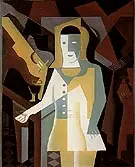
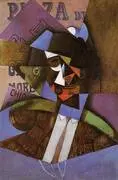
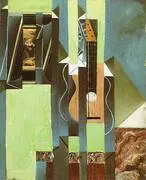
Juan Gris's unique perspective gives a more structured approach with his bright and colorful paintings, distinguishing his cubist art from that of his peers. Many of his famous paintings are icons of the Modern Art movement:
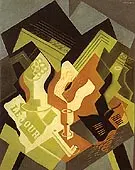
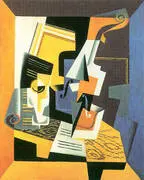
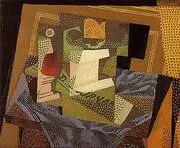
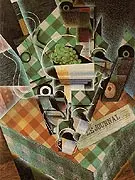
- Still Life with Checked Tablecloth 1915. Juan Gris's colorful painting displays a mastery of composition. The checked tablecloth serves as a background for various objects rendered with unique geometric forms and vibrant hues.
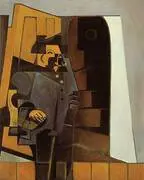
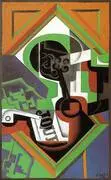
- Portrait of Picasso 1912 is an early oil painting by Juan Gris that pays homage to his friend and fellow Cubist artist. His painting provides the perfect example of his ability to blend abstraction with recognizable geometric forms.
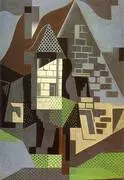
- Landscape at Ceret 1913. Gris's oil painting depicts a colorful landscape in Ceret, a small town in the South of France. A well-known place for many famous artists in the early 20th century. Gris shows his talent by using bright colors and shapes, capturing the spirit of the French countryside with his unique art style.
Juan Gris's colorful wall art marks a significant moment in the advent of Cubism and Modern Art.
What is Juan Gris's painting Technique?
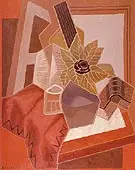
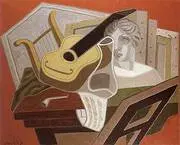
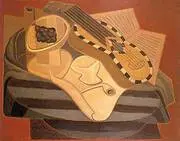
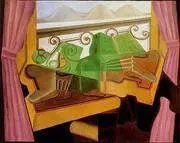
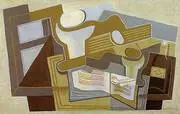
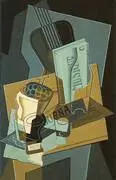
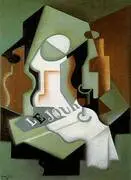
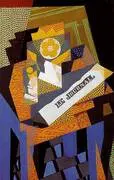
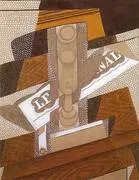
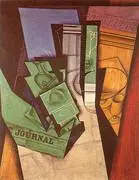
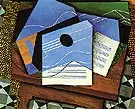
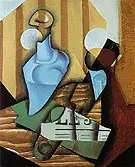
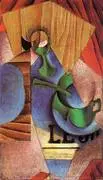
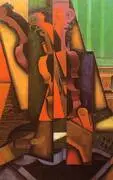
The use of vibrant colors and interlocking planes of geometric shapes characterizes Gris's artistic style. His oil paintings often incorporate everyday objects such as newspapers, bottles, and musical instruments. His unique painting style shows the ability to create simple forms while highlighting their shapes and relationships.
His paintings involve several layers of color to create depth and texture. This method achieves a sense of dynamism, and his use of light and shadow plays a significant role in his artwork.
What is his Artistic Legacy?
By learning more about Juan Gris' life and his role in the Cubism art movement, we see his strong impact on 20th-century art. This was a time when artists challenged traditional limits and new ways of artistic expression emerged.
Juan Gris's colorful paintings make a significant contribution to our collection of 20th Century fine art reproductions.





Enter Your Private Gallery
Log in with your gallery ID here
Track Your Order
Type your order number here




Cannot Find What You Are Looking For?
Reproduction Gallery Information
Customer Service

(Send Us A Message)

Tel: (302) 513 3464