




Willem van Aelst Oil Painting Reproductions
Willem van Aelst replica paintings on Canvas for sale
Willem Van Aelst's Famous Flower Paintings
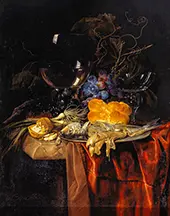
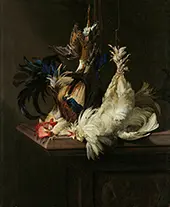
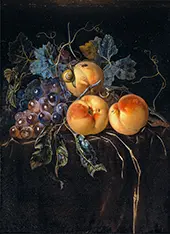
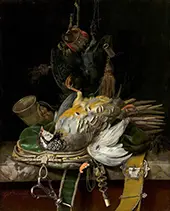
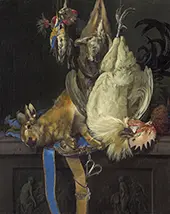
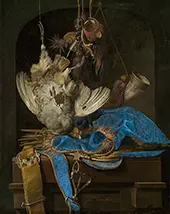
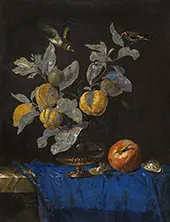
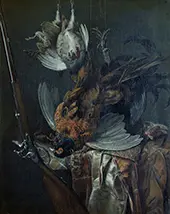
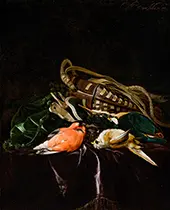
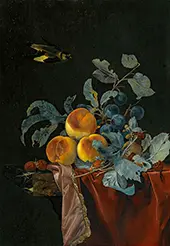
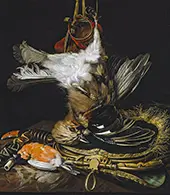
Willem van Aelst was one of the most accomplished still life painters of the Dutch Golden Age. His famous flower paintings are admired for their refined compositions, luminous color, and exceptional attention to detail. Working within the Baroque art tradition, van Aelst mastered dramatic contrasts of light and shadow while maintaining the realism that defines Dutch still life painting.
Who Was Willem van Aelst?
He was a Dutch artist, born in 1627, dying in 1683, aged 58. van Aelst trained under his uncle, the still-life painter Evert van Aelst, and later gained international recognition, becoming one of the leading flower painters of the 17th century.
The Dutch Golden Age was a period of great creativity, although Willem van Aelst’s famous paintings epitomize the Baroque Art Movement. Baroque paintings characterize a rich color palette with a dramatic use of light and shadow.
Baroque Art Paintings and Dutch Golden Age Art
Baroque art spanned the period from the late 16th to the 18th century and is marked by flamboyant expression. Dutch flower paintings demonstrate vivid realism, and the Baroque art movement saw the emergence of still lifes as a prominent genre.
What Defines Dutch Still Life Paintings of the Golden Age?
- Dutch Golden Age paintings are renowned for their extraordinary attention to detail and realistic depictions of everyday inanimate objects.
- Still life artworks from this period often symbolized wealth, status, and refined taste within Dutch society.
- Flower paintings became especially popular, reflecting elegance, luxury, and the prosperity of the era.
- Willem van Aelst was a leading artist of the Dutch Golden Age, celebrated for his sophisticated floral still lifes.
- Van Aelst’s flower paintings captivated art lovers through their precision, symbolism, and sense of cultivated refinement.
A Dutch Golden Age Master of Flower Paintings
Van Aelst’s career was shaped by his travels to Italy, where he absorbed the influence of Italian Baroque art. His time at the Medici Court in Florence exposed him to Old Master paintings and elite artistic circles, refining his approach to composition, light, and color. These influences elevated his Dutch still life paintings beyond decorative art into works of lasting artistic significance.
Symbolism in Willem van Aelst’s Flower Paintings
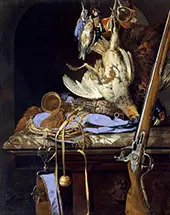
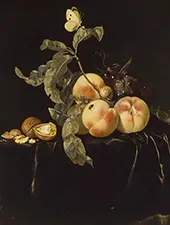
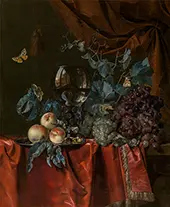
Many of van Aelst’s famous flower paintings contain symbolic elements. Wilting petals, fallen leaves, and insects such as butterflies or beetles serve as allegories for the fragility of life, the passage of time, and transformation. This symbolism aligns his work with the vanitas tradition common in Dutch Golden Age art,
Famous Flower Paintings by Willem van Aelst
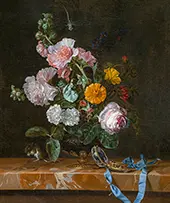
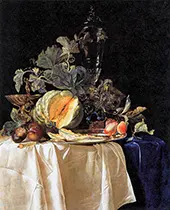
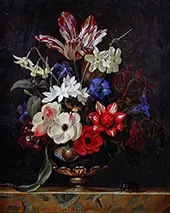
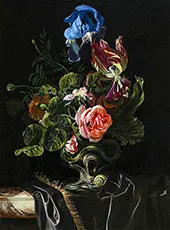
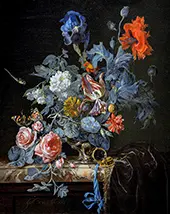
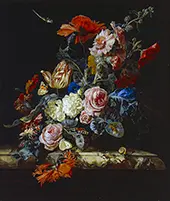
- Still Life with Flowers is a masterpiece oil painting that demonstrates the artist's skill with color and composition. A vibrant bouquet meticulously arranged with delicate petals displays van Aelst's artistic mastery.
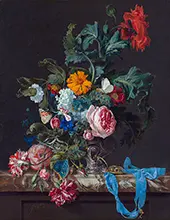
- Vase of Flowers in a Glass Vase on a Marble Ledge, painted c1665, is displayed at the Walker Gallery in the National Museums of Liverpool. This painting clearly demonstrates the symbolism of decay and mortality. Although a beautiful painting, a closer inspection reveals that some petals and leaves are dying.
- Willem van Aelst's paintings are held in collections such as the Rijksmuseum and the National Museums Liverpool.
The Legacy of Willem van Aelst and Dutch Still Life Art
Paintings by Willem van Aelst can be viewed in famous art museums worldwide. Art lovers and historians celebrate his oil paintings. The artist’s ability to capture the fleeting beauty of nature with magnificent detail and an abundance of color places van Aelst at the pinnacle of Dutch Golden Age art.
Subsequent artists influenced by his paintings are Jan van Huysum, Rachel Ruysch, and Balthasar van der Ast.
Willem van Aelst’s flower paintings are a true testament to the enduring attraction of Dutch Still Life paintings. Through his masterful, detailed compositions, van Aelst captures the essence of the transience and timeless beauty of famous flower paintings.
Buy Famous Paintings art reproductions by other still-life flower artists, Helen Augusta Hamburger and Jan Davidsz de Heem. Our hand-painted museum-quality art reproductions are created in our Studio by professional artists using British Winsor and Newton oil paints and premium-grade canvas.
Museum-Quality Flower Painting Reproductions at Competitive Prices
Flower paintings remain timeless symbols of elegance and natural beauty. Choosing a hand-painted fine art reproduction allows you to enjoy famous flower paintings with authentic texture, depth, and color.
Our museum-quality art reproductions are created by professional artists using premium-grade canvas and high-quality oil paints, ensuring lasting brilliance and craftsmanship. Combined with competitive pricing, these reproductions offer an accessible way to bring the beauty of classic Dutch still life paintings into your home.






Enter Your Private Gallery
Log in with your gallery ID here
Track Your Order
Type your order number here




Cannot Find What You Are Looking For?
Reproduction Gallery Information
Customer Service

(Send Us A Message)

Tel: (302) 513 3464