




Abstract Expressionism Art Oil Painting Reproductions
Find Abstract Expressionism Art Oil Painting Replicas by Abstract Expressionism Art Artists
What Is Abstract Expressionism?
Abstract Expressionism is an American art movement that transformed modern painting by giving artists the freedom to express ideas and emotions through color, movement, texture, and the physical application of paint, rather than trying to create realistic images. Emerging in New York during the 1940s, it became the first American art movement to achieve international influence and helped establish the city as the center of the postwar art world.
Often known as the New York School, Abstract Expressionism was never defined by a single style. Some artists filled enormous canvases with energetic brushstrokes and expressive gestures, while others created quiet, carefully balanced compositions built around subtle relationships between color and scale. What united them was the belief that a painting could communicate through the paint itself, without relying on a recognizable subject or story. Unlike earlier art movements, the brushwork, texture, composition, and color often became the subject of the painting, inviting every viewer to experience it in a personal way.
The movement developed from a combination of European artistic ideas and emerging American confidence. Early American abstract painter Arthur Dove explored simplified forms inspired by nature decades before Abstract Expressionism emerged, while Arshile Gorky created paintings that bridged European Surrealism and the bold new direction that followed. Together with the influence of artists such as Wassily Kandinsky and Hans Hofmann, they helped shape the ideas that defined the movement.
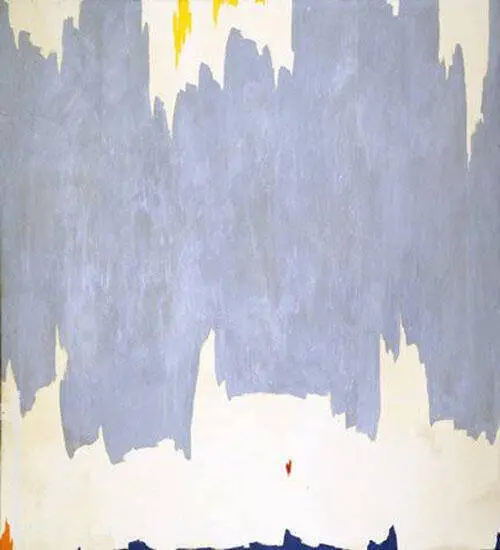
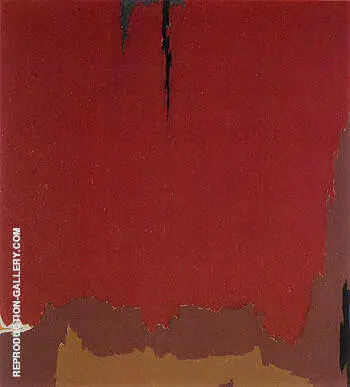
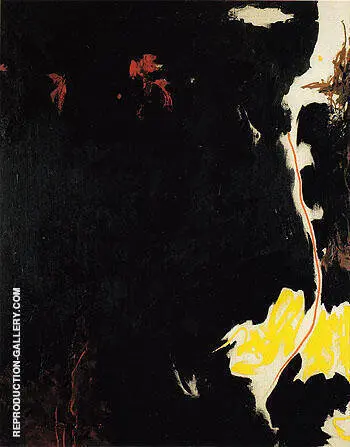
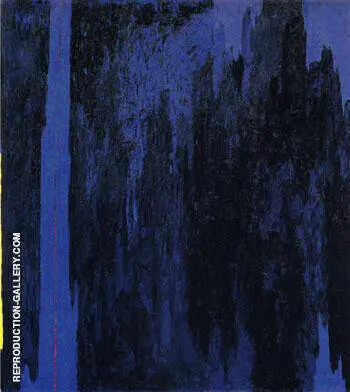
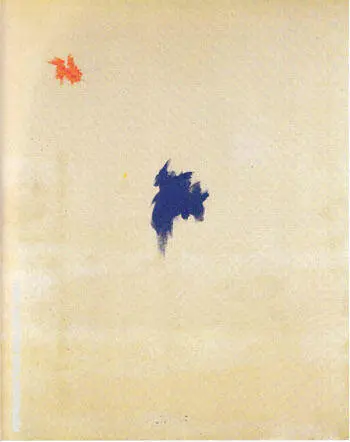
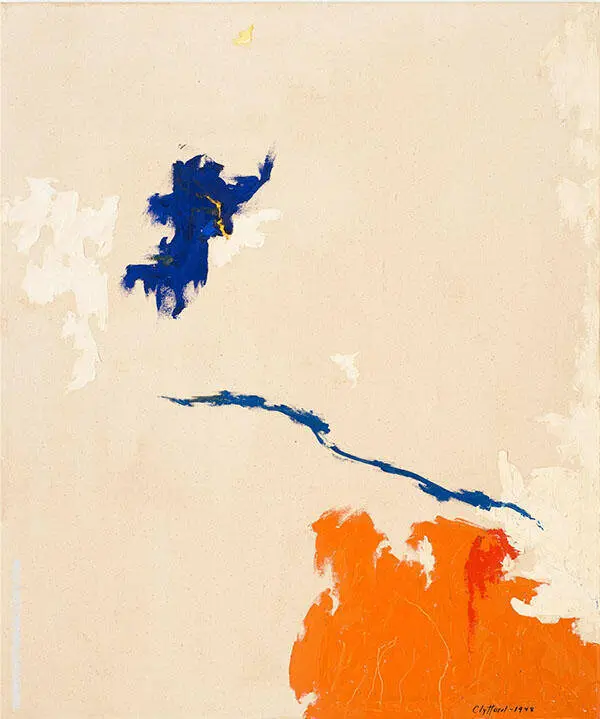
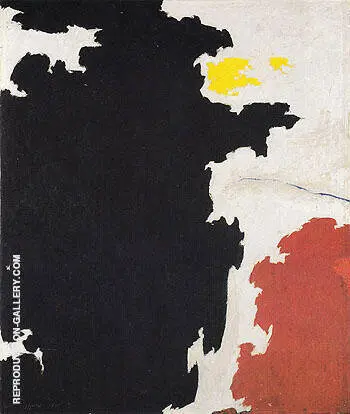
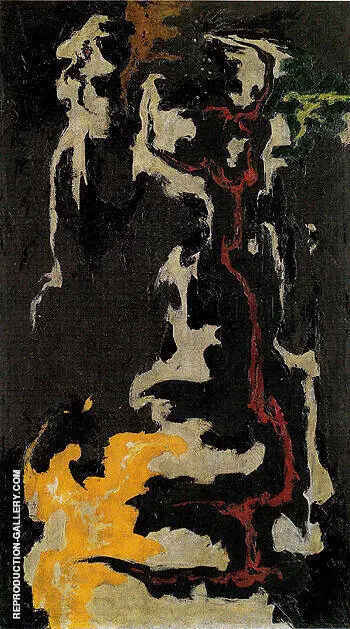
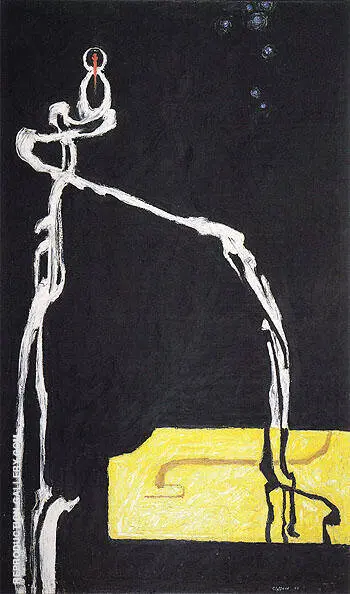
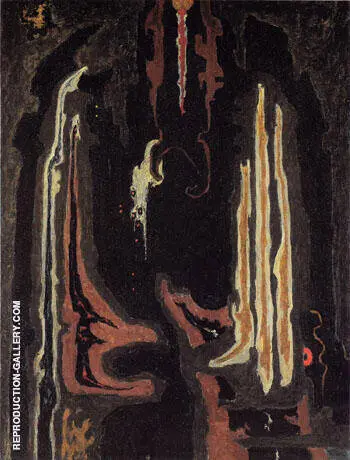
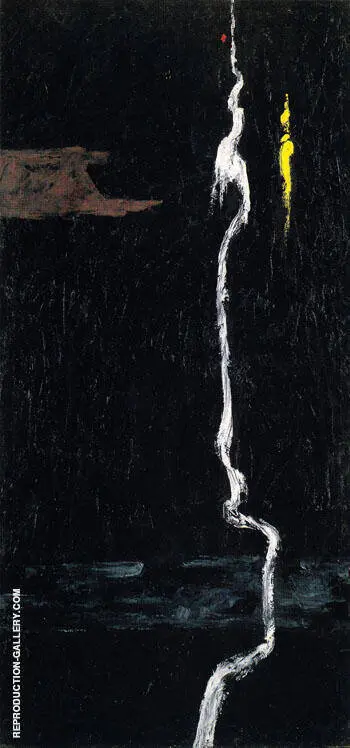
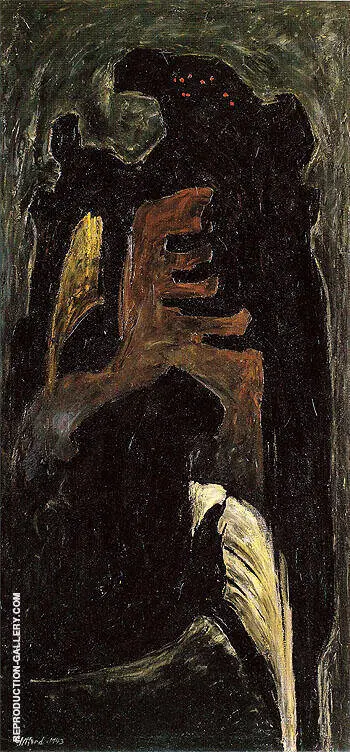
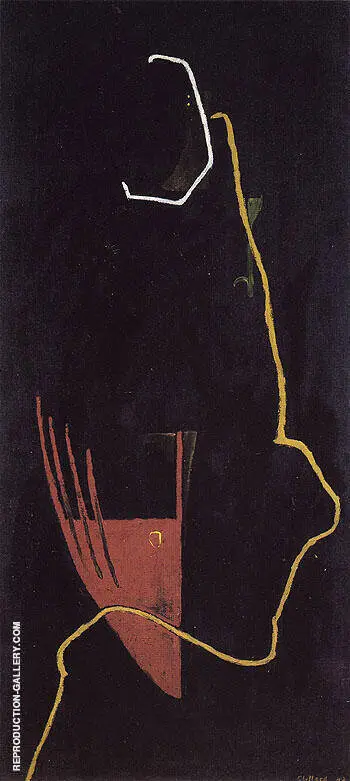
By the late 1940s and 1950s, artists including Jackson Pollock, Willem de Kooning, Mark Rothko, Franz Kline, Barnett Newman, Lee Krasner, Joan Mitchell, and Clyfford Still had demonstrated that American art no longer followed European traditions; it was creating new ones. Their paintings changed the course of modern art and remain among the most recognizable works of the 20th century.
What Are the Main Characteristics of Abstract Expressionism?
The defining characteristic of Abstract Expressionism is complete artistic freedom. Instead of following established rules for composition or realistic representation, artists used brushwork, color, texture, and the physical handling of paint to communicate ideas and emotions in highly individual ways. Every painter developed a distinctive visual language, making personal expression more important than following a shared style.
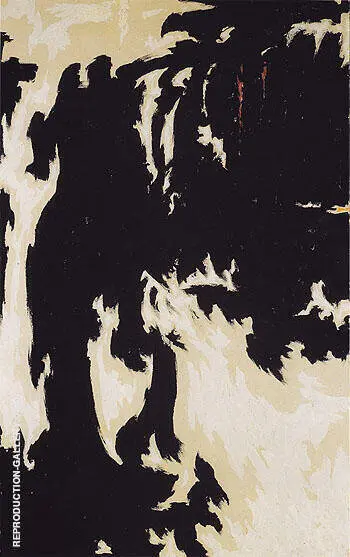
Despite their differences, most Abstract Expressionist paintings are generally grouped into two broad approaches. Action Painting emphasizes energetic brushwork and the physical act of applying paint to the canvas, a style closely associated with Jackson Pollock, Franz Kline, and Willem de Kooning. Color Field Painting takes a quieter approach, using large areas of carefully balanced color to create atmosphere and emotional impact, most notably in the paintings of Mark Rothko and Barnett Newman. Together, these two approaches demonstrate the remarkable diversity of Abstract Expressionism.
Large canvases became another defining characteristic, but not simply because artists wanted to paint bigger pictures. Many paintings were created on a monumental scale to immerse the viewer in color, movement, and texture, making the experience far more immersive than viewing a smaller painting from across a room. That immersive quality continues to make Abstract Expressionist paintings a natural choice for Large Wall Art, particularly in contemporary homes, offices, hotels, and commercial interiors, where their scale and dynamic energy can be fully appreciated.
Perhaps the movement's most distinctive characteristic is that the paint itself becomes part of the subject. The direction of a brushstroke, the thickness of the paint, the balance of the composition, and the relationship between colors all influence how the painting is experienced. Rather than searching for a familiar scene or hidden story, viewers are invited to respond to the movement, texture, and dynamic energy created by the artist.
Why Do People Still Choose Abstract Expressionist Paintings?
People choose Abstract Expressionist paintings because they make a powerful visual statement without depending on a traditional subject or narrative. Instead of telling the viewer what to see, they encourage a personal response through color, movement, texture, and composition. That freedom of interpretation means the same painting can reveal something different each time it is viewed, making Abstract Expressionism an art movement that continues to reward repeated viewing and long-term enjoyment.
Another reason for their enduring appeal is their remarkable ability to transform a space. Many of the movement's most famous paintings were created on a monumental scale, making them particularly well suited to large walls in contemporary homes, offices, hotels, and commercial interiors. Rather than simply filling an empty wall, they introduce movement, balance, and dynamic energy that becomes part of the room itself, creating a focal point that naturally draws the eye.
Unlike paintings that rely on detailed subject matter, Abstract Expressionist paintings continue to reward repeated viewing. As natural light changes throughout the day, different textures, brushstrokes, and relationships between colors become more noticeable. The eye rarely settles in one place, instead moving naturally across the canvas and discovering new details with every viewing. This constantly changing visual experience is one of the reasons these paintings have remained relevant for more than seventy years.
Perhaps most importantly, Abstract Expressionism gives every viewer permission to experience a painting in their own way. There is no correct interpretation and no hidden story that has to be understood before the painting can be appreciated. That combination of artistic freedom, visual impact, and dynamic energy continues to make Abstract Expressionist paintings a popular choice for people looking to bring character and individuality into their home or workplace.
Which Artists Created the Most Famous Abstract Expressionist Paintings?
The most famous Abstract Expressionist paintings demonstrate the remarkable diversity of the movement. Some capture explosive movement through energetic brushwork, while others rely on quiet fields of color or bold, simplified compositions. Together, they proved there was no single way to create a powerful abstract painting, only the confidence to develop an individual artistic voice.
One of the paintings that helped shape the movement was Arshile Gorky's The Liver Is the Cock's Comb. Its flowing organic forms, expressive brushwork, and vibrant color create a composition that seems constantly in motion. The painting marked an important step towards the freedom and imagination that would become central to Abstract Expressionism.
Few paintings are more instantly recognizable than Jackson Pollock's Autumn Rhythm (Number 30). At first glance it appears spontaneous, yet the more time you spend looking, the more rhythm, balance, and structure begin to emerge from the layers of paint. It remains one of the defining images of modern art because every viewing reveals something different.
The experience of standing in front of Mark Rothko's Orange and Yellow is unlike viewing almost any other painting. Instead of dramatic brushwork, it relies on carefully balanced color and monumental scale to create a quiet, contemplative atmosphere. Images in books and online can suggest its beauty, but only a large painting begins to convey the immersive quality that Rothko intended.
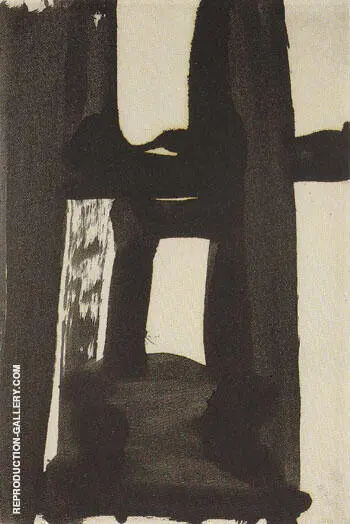
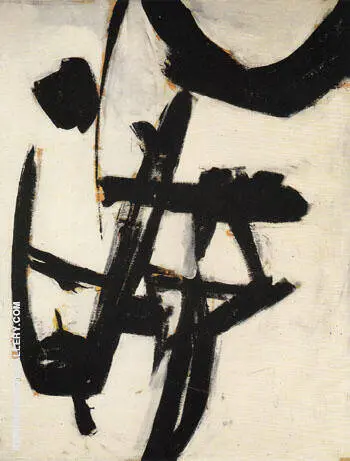
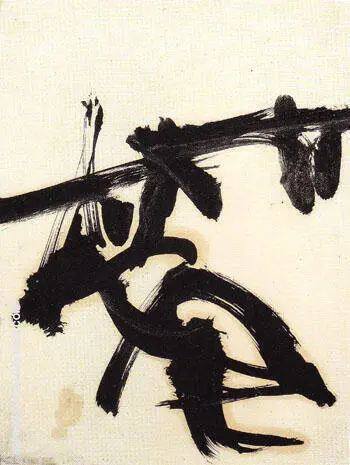
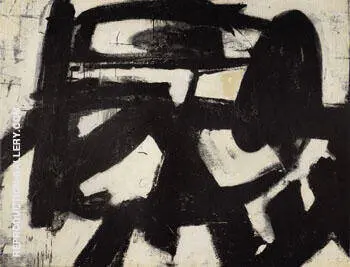
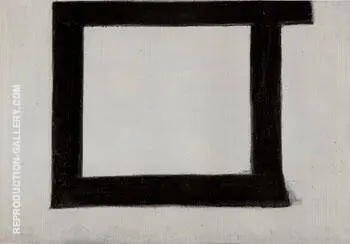
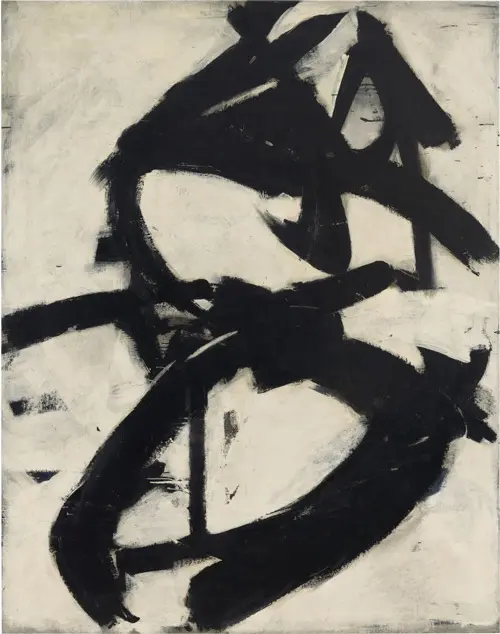
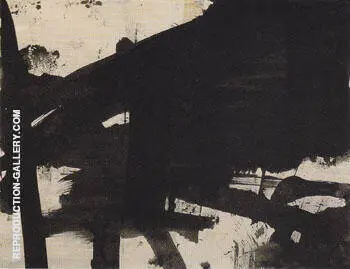
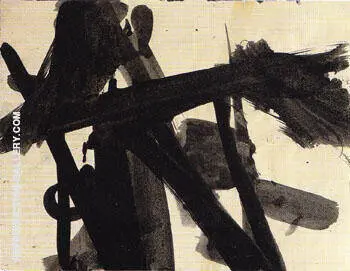
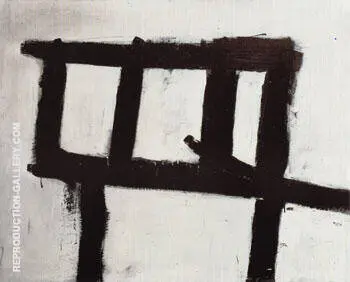
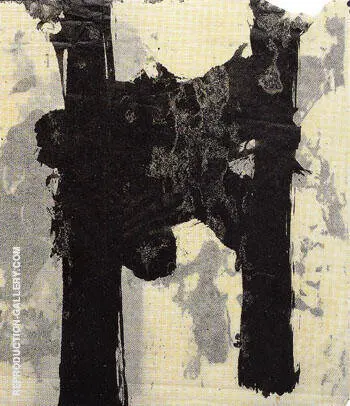
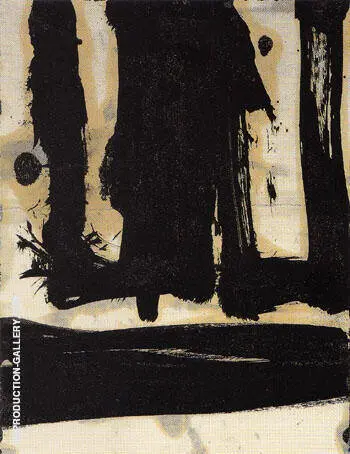
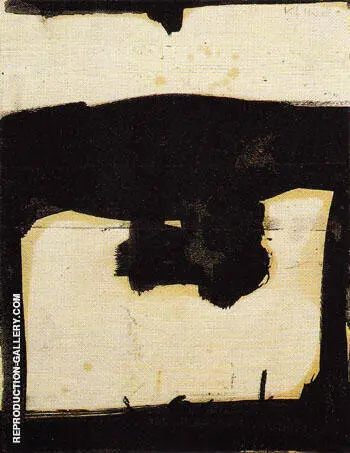
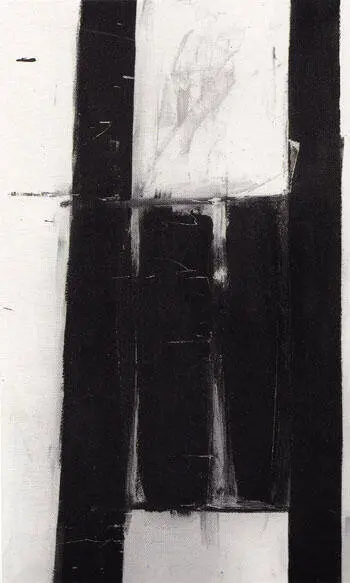
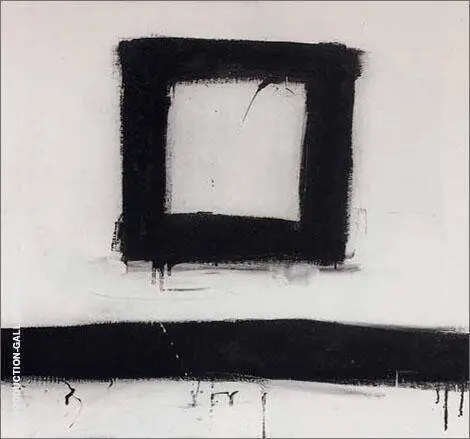
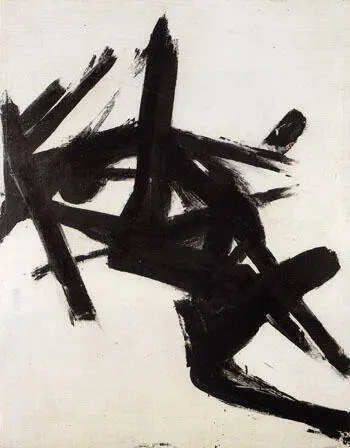
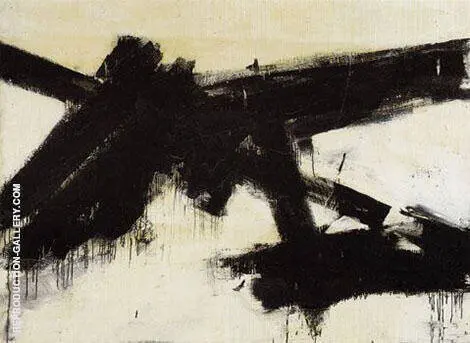
Franz Kline's Chief demonstrates that extraordinary visual impact does not depend on brilliant color or intricate detail. Built from bold black brushstrokes and powerful contrasts, the painting shows how confidence, balance, and movement can create an unforgettable composition using remarkably simple elements. Kline's work also illustrates why dramatic monochrome compositions remain popular with customers looking for striking Black and White Paintings.
At first glance, Barnett Newman's Vir Heroicus Sublimis appears almost minimalist. Spend longer with the painting, however, and its immense scale, carefully judged proportions, and distinctive vertical "zip" lines create an experience that feels both dramatic and surprisingly emotional. It is a reminder that simplicity can often be every bit as powerful as complexity.
Abstract Expressionism was also enriched by artists including Willem de Kooning, Lee Krasner, Joan Mitchell, Clyfford Still, Robert Motherwell, and Elaine de Kooning, each expanding the movement in a distinctive direction. Together, they demonstrated that a single technique or appearance never defined Abstract Expressionism. Its lasting influence comes from the freedom each artist had to develop a personal visual language, creating some of the most recognizable and influential paintings of the 20th century.
Why Does Abstract Expressionism Still Influence Artists?
Abstract Expressionism continues to influence artists because it proved there is no single way to create a meaningful painting. Instead of following established rules or trying to reproduce the visible world, the movement encouraged artists to develop their own visual language through color, brushwork, texture, and composition. That freedom to experiment remains one of its greatest legacies.
While the pioneers of Abstract Expressionism worked primarily with oil paint, house paint, brushes, palette knives, and turpentine, contemporary artists have access to a much wider range of creative tools. Acrylic paints, spray equipment, mixed media, and digital sketching software are now commonly used to develop ideas before paint is applied to the canvas. Every generation of abstract artists has adopted new materials and techniques, but the desire to create something personal rather than predictable remains unchanged.
The movement's influence extends far beyond the artist's studio. Its bold compositions, expressive brushwork, and dynamic use of color continue to shape contemporary painting, graphic design, architecture, and interior design. Large abstract paintings remain a popular choice for homes, offices, hotels, and public spaces because they create atmosphere, movement, and visual impact without relying on a traditional subject.
Perhaps the greatest achievement of Abstract Expressionism is that it changed the way people think about painting itself. It demonstrated that texture, movement, and the physical application of paint could be every bit as important as the finished image. More than seventy years later, artists continue to build on those ideas, ensuring that Abstract Expressionism remains one of the defining influences on contemporary Abstract Art.
Why Do Our Artists Enjoy Recreating Abstract Expressionist Paintings?
Abstract Expressionism remains one of the most rewarding painting styles for our artists because every composition presents a completely different creative challenge. Every composition has its own rhythm, brushwork, texture, and balance, allowing our artists to recreate the individual character that makes each painting memorable.
Rather than concentrating on fine detail alone, our artists study how the original painting was built. They look at the flow of each brushstroke, the relationship between areas of color, the build-up of textured oil paint, and the movement created across the canvas. These observations help them recreate not only the appearance of the painting, but also the visual energy that makes Abstract Expressionism so distinctive.
Many of the movement's most famous paintings were created on monumental canvases, allowing our artists to recreate the bold brushwork, expressive textures, and dynamic energy that define Abstract Expressionism. Larger canvases also allow them to build rich surface textures using traditional oil painting techniques, creating paintings with the scale, presence, and visual impact of the originals.
If you would like to own a hand-painted Abstract Expressionist painting, choose from our extensive catalog of famous paintings or ask us to recreate one that is not currently featured. Every painting is created entirely by hand in oils on canvas by a professional artist and is available in more than 30 standard sizes, while always preserving the original painting's proportions. If you have any questions about ordering, shipping, or our painting process, you'll find answers to many of the most frequently asked questions in our Help Center. With worldwide delivery and our 45-day money-back guarantee, you can order with complete confidence.

Testimonial from Barry W, Sydney, Australia


Enter Your Private Gallery
Log in with your gallery ID here
Track Your Order
Type your order number here
Most Popular Artists