




Andre Derain Oil Painting Reproductions
Andre Derain replica paintings on Canvas for sale
Andre Derain: Colorful Wall Art
Andre Derain’s significant contributions to Modern Art and the Fauvism art movement cannot be overlooked. His use of vibrant color and bold brushwork defines his artistic style, which has impacted the art world. Discover the life and art of this famous French artist and his Fauvism paintings.
Andre Derain: Master of Colorful Modern Wall Art
Andre Derain was born on June 10, 1880, in Chatou, a suburb of Paris. His early interest in art led to studies at the Academie Camillo. Here he met with another French Fauvist artist, Henri Matisse. Matisse and Derain collaborated and became close friends.
Derain’s early life is crucial to understanding artistic development and his collaboration with contemporaries such as Maurice de Vlaminck.
The Birth of Fauvism Art
Fauvism is a term derived from the French word "Fauve," meaning "wild beasts."
Although the Fauvism art movement was short-lived, it was highly influential and emerged in the early 20th century. The movement features bold colors, simplified forms, and expressive brushstrokes. Art critics consider Andre Derain and Henri Matisse the leading figures of this art movement.
In 1905, Derain and Matisse exhibited their works at the Salon d'Automne in Paris, marking the official debut of Fauvism.
The vibrant colors and dynamic compositions of these modern art paintings shocked the art establishment, and critics gave the exhibition mixed reviews. However, Andre Derain was undeterred, and he and his fellow Fauvist artists continued to push the boundaries of modern art.
Andre Derain's Artistic Style
Colorful Paintings using Bold Colors and Expressive Brushstrokes
The central defining feature of Andre Derain's paintings is his use of bold and non-naturalistic colors. Derain often employs bright, contrasting colors, evoking emotion and capturing the essence of his subjects. This stylistic approach was revolutionary at the time, setting the stage for future developments in modern art.
Derain's brushstrokes and brushwork are equally expressive, characterizing loose and dynamic strokes, adding a sense of energy, movement, and energy to his paintings. Derain’s technique provides a sense of spontaneity and freedom in his oil paintings, a hallmark of the Fauvist art style.
Influences and Inspirations
While his contemporaries undoubtedly influenced Andre Derain's paintings, there is also evidence that he drew inspiration from paintings by Vincent van Gogh and Paul Cezanne. Both artists influenced Derain’s use of color and form, inspiring some of his most famous paintings.
Famous Paintings by Andre Derain, A Leading French Fauvist
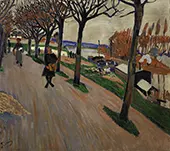
The Turning Road, L'Estaque by Andre Derain
One of our most popular paintings by Derain is The Turning Road, L'Estaque, painted in 1906. Derain’s oil painting highlights his ability to capture the essence of a landscape through bold colors and expressive brushwork. The artist depicts the winding road and surrounding trees with vivid colors, creating a sense of movement and depth.
Derain's choice of colors in this painting is exciting, as he combines warm oranges, reds, and purples to create a harmonious composition. The Turning Road L” Estaque is a testament to Derain's skill as a colorist and his ability to evoke emotion through his art.
The original oil painting is part of the Beck Collection at the Museum of Fine Arts in Houston.
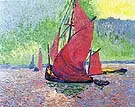
Andre Derain, Boats in the Port, A Fauvism Painting.
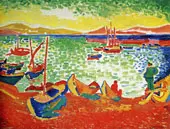
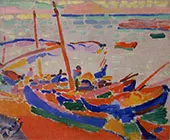
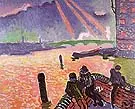
One of Andre Derain's significant oil paintings is Boats in the Port of Collioure, painted in 1905. This painting exemplifies the Fauvist art style, using vibrant colors and bold brushwork. Derain’s painting captures the lively atmosphere of the harbor, depicting boats in a riot of colors that reflect the sunlight and the surrounding landscape.
The use of non-naturalistic colors in this colorful painting is particularly striking. Andre Derain employs a color palette of bright reds, blues, and yellows, conveying the scene's energy. The dynamic composition of this oil painting and its expressive brushstrokes offer a sense of movement, making the viewer feel that they are part of the bustling port.
Derain's famous painting displays a mastery of color and highlights his ability to evoke emotion through his art. Boats in the Port of Collioure is a testament to his innovative approach and significant contributions to the Fauvism art movement.
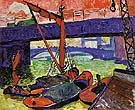
Modern Paintings of London by Andre Derain
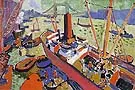
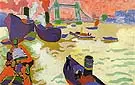
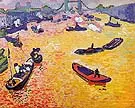
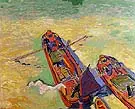
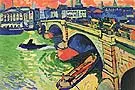
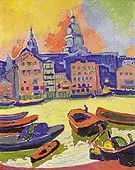
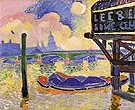
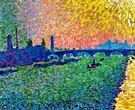
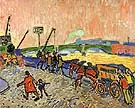
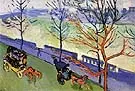
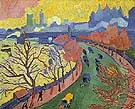
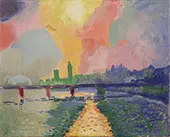
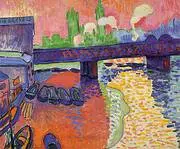
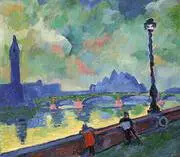
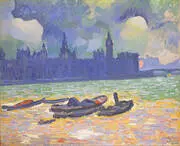
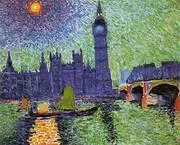
Andre Derain's modern paintings of London often depict famous London Bridges and paintings of historic buildings. Such oil paintings include Derain's London Bridge painting, his oil painting of Blackfriars Bridge, and his paintings of Waterloo Bridge, all painted in 1906. Derain painted two versions of Hungerford Bridge and Charing Cross in 1905 and 1906, respectively.
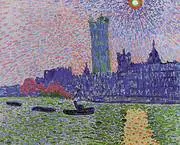
Other modern art paintings of London are Derain’s paintings of Big Ben and The Houses of Parliament at Night, completed in 1906. The Metropolitan Museum of Art owns The Houses of Parliament at Night, also known as The Palace of Westminster.
Andre Derain's Legacy and Influence on Modern Art
Andre Derain's contributions to the modern art movement cannot be overstated. His innovative use of color and form paved the way for future generations of artists, including Pablo Picasso and Georges Braque. Derain's work also impacted other art movements, such as Cubism and Expressionism.
A Lasting Impact
Despite his association with Fauvism, Andre Derain's artwork continued to evolve. He experimented with various styles and techniques, constantly pushing the boundaries of his art. Derain’s adaptability and willingness to explore new artistic avenues ensures that his oil paintings remain relevant and influential today.
Today, art enthusiasts celebrate Andre Derain's famous paintings for their bold colors, dynamic compositions, and colorful wall art. His paintings continue to inspire artists and art enthusiasts alike, serving as a testament to his enduring legacy in the world of modern art.
Conclusion
Andre Derain was a true pioneer of the Modern Art movement. His innovative approach to painting leaves an indelible mark on the art world. His contributions to Fauvism and his influence on subsequent art movements have confirmed his status as a leading figure in the history of modern art. Through his vibrant use of color, Derain captures the essence of his subjects, creating a body of famous modern art paintings that continue to captivate audiences today.
Andre Derain's paintings offer a window into the revolutionary spirit of artists of the early 20th century. His paintings serve as a reminder of the power of creativity and the enduring impact of artistic innovation.
Reproduction Oil Paintings of Famous Fauve Paintings
Buy Fauvism paintings by other famous artists, Henri Matisse, Maurice de Vlaminck, Kees von Dongen, and Othon Frieze.






Enter Your Private Gallery
Log in with your gallery ID here
Track Your Order
Type your order number here



Cannot Find What You Are Looking For?
Reproduction Gallery Information
Customer Service

(Send Us A Message)

Tel: (302) 513 3464