




Seascapes Oil Painting Reproductions
Find Seascapes Oil Painting Replicas by Seascapes Artists
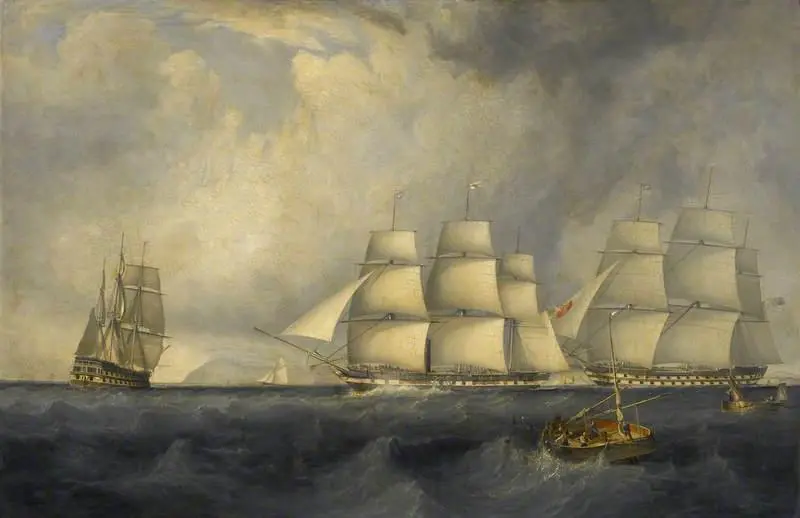
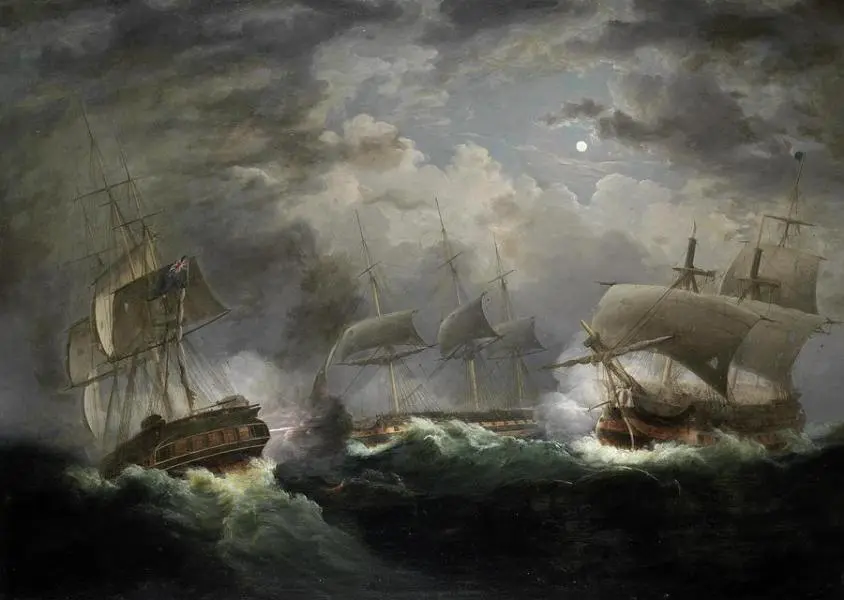
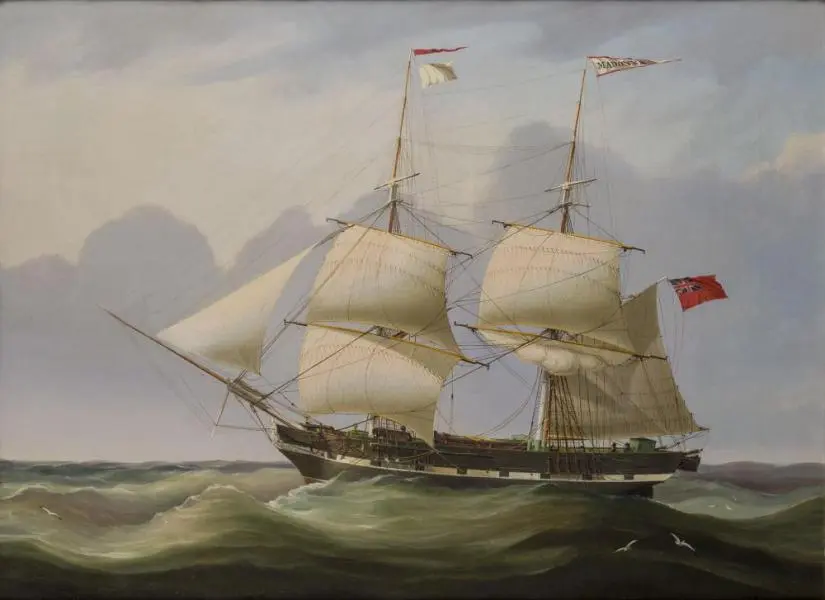
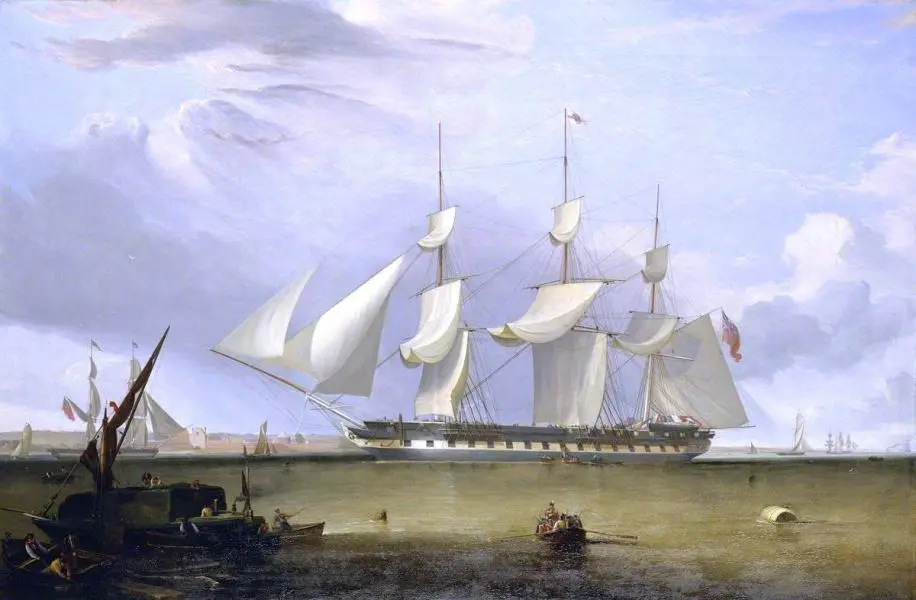
The sea has inspired artists for centuries, offering an endless source of movement, atmosphere, and changing light. From tranquil fishing harbors and sunlit Mediterranean coastlines to powerful Atlantic waves crashing against rugged cliffs, seascape paintings capture a combination of beauty, drama, and emotion that few other subjects can achieve.
Their timeless appeal explains why seascapes continue to be some of our most popular oil painting reproductions, bringing the beauty and atmosphere of the coast into both traditional and contemporary interiors.
Our collection of hand-painted seascape oil paintings brings together centuries of artistic achievement, from the dramatic marine paintings of Ivan Aivazovsky and the luminous coastal scenes of Claude Monet to the atmospheric realism of Winslow Homer, the powerful surf studies of Gustave Courbet, and the sun-filled Mediterranean beaches painted by Joaquín Sorolla.
Each artist brought a distinctive interpretation of the sea, creating an extraordinary variety of paintings that continue to inspire customers, designers, and collectors around the world.
From Peaceful Harbors to Powerful Oceans
One of the reasons seascape paintings have remained popular for centuries is their extraordinary diversity. Some artists were captivated by the quiet beauty of sheltered harbors, where sailing boats rest beneath expansive skies. Others were drawn to the immense energy of the open ocean, painting towering waves, dramatic storms, and rugged coastlines that convey both beauty and nature's untamed power. Every seascape offers a different perspective, mood, and story.
Throughout art history, painters have interpreted the sea in remarkably different ways. Claude Monet became fascinated by the changing effects of light reflected across water, creating coastal scenes that shift with the time of day and the seasons. By contrast, Ivan Aivazovsky became celebrated for his dramatic depictions of crashing waves illuminated by moonlight and sunrise.
Across the Atlantic, Winslow Homer portrayed the ocean with a realism that emphasized both its beauty and unpredictability, while Gustave Courbet explored the raw force and movement of breaking surf.
The coastline itself became an essential part of the story. The sunlit beaches of the Mediterranean inspired paintings filled with warmth and luminous color, while the rugged shores of northern Europe and New England encouraged compositions rich in changing weather, dramatic skies, and powerful waves. Fishing villages, historic harbors, rocky headlands, and quiet bays all offered artists endless opportunities to explore atmosphere, reflection, and the ever-changing relationship between land and sea. As a result, no two seascape paintings ever feel quite the same, even when they depict a similar subject.
Calm coastal waters and dramatic ocean scenes may evoke very different emotions, yet both demonstrate why seascape paintings possess a timeless quality that few artistic subjects can match. They celebrate the enduring relationship between people and the sea, capturing a sense of beauty, movement, and atmosphere that has inspired artists for centuries and continues to captivate admirers of fine art.
Famous Seascape Paintings That Shaped Marine Art
Some seascape paintings are admired not simply because they depict the ocean, but because they changed the way artists represented its power, atmosphere, and ever-changing light.
These masterpieces continue to inspire artists and remain among the most requested works in our collection because each captures a very different relationship between people and the sea.
Few marine paintings are as instantly recognizable as The Ninth Wave (1850) by Ivan Aivazovsky. Measuring 221 x 332 cm (87 x 131 in), the monumental canvas is part of the permanent collection of the State Russian Museum. Rather than focusing solely on the violence of the storm, Aivazovsky contrasts towering waves with the warm light of sunrise, transforming a scene of shipwreck into one of resilience and hope. More than 170 years after it was painted, it remains one of the defining masterpieces of marine art.
A very different interpretation appears in Impression, Sunrise (1872) by Claude Monet. Painted from a hotel overlooking the harbor at Le Havre, this relatively modest canvas, measuring 50 x 65 cm (20 x 25½ in), is now housed in the Musée Marmottan Monet.
Monet's loose brushwork and delicate treatment of light were considered revolutionary at the time, and the painting's title ultimately gave its name to the Impressionist movement, inspiring one of the most influential schools in Western art.
While Monet explored atmosphere, Gustave Courbet became fascinated by the physical force of the sea itself. His series of The Wave paintings, created on the Normandy coast during the late 1860s, abandoned narrative almost entirely. Instead, Courbet concentrated on the movement, weight, and texture of the surf, demonstrating that the sea alone could become the subject of a powerful work of art.
Across the Atlantic, Winslow Homer portrayed the coastline with equal honesty but from a distinctly American perspective. His paintings of the New England coast reveal both the beauty and unpredictability of the Atlantic, often exploring the close relationship between people and the sea. Unlike the romantic drama of Aivazovsky or the atmospheric light of Monet, Homer's marine paintings are grounded in observation, resilience, and everyday coastal life.
These masterpiece paintings demonstrate that there is no single way to paint the sea. Some artists pursued realism, others atmosphere, while others captured raw emotion or the changing effects of light. Their enduring influence has helped shape one of the richest traditions in Western art and continues to inspire museums, artists, and collectors around the world.
How Coastlines Shaped the World's Greatest Seascape Paintings
Every coastline leaves its own mark on the paintings created there. Differences in light, weather, geography, and atmosphere have inspired artists for centuries, giving each coastal region its own distinctive artistic character.
Along the rugged shores of northern Europe, artists often encountered dramatic skies, changing tides, and turbulent seas. These conditions inspired paintings filled with movement and powerful contrasts between light and shadow. In contrast, the Mediterranean coastline offered calm waters, brilliant sunshine, and luminous reflections that encouraged lighter palettes and a greater emphasis on color and atmosphere.
Fishing villages, historic harbors, rocky headlands, and quiet bays also became recurring subjects, reflecting the close relationship between coastal communities and the sea. Rather than simply recording a landscape, many artists captured the daily lives of fishermen, sailing vessels returning to port, and changing weather conditions that shaped generations of maritime life.
The appeal of these paintings extends well beyond their historical significance. Some create a sense of tranquility through gentle waves and expansive horizons, while others convey the ocean's immense power through dramatic surf and approaching storms. This remarkable variety allows every seascape to tell its own story while preserving a lasting connection with the natural world.
These diverse interpretations continue to inspire those seeking artwork that brings light, atmosphere, and a sense of space into their interiors. From the quiet elegance of sheltered harbors to the energy of open coastlines, hand-painted seascape reproductions offer a timeless way to celebrate one of nature's most captivating subjects.
California's Coast and the Artists Who Captured Its Light
While European artists helped establish the traditions of marine painting, the Pacific coastline of California inspired a distinctly American vision of the sea. During the late 19th and early 20th centuries, painters were drawn to the state's dramatic cliffs, secluded coves, golden beaches, and the remarkable clarity of its coastal light. Unlike the storm-filled waters of northern Europe, California's coastline offered brilliant sunshine, vibrant colors, and an atmosphere that encouraged a fresh Impressionist approach to landscape painting.
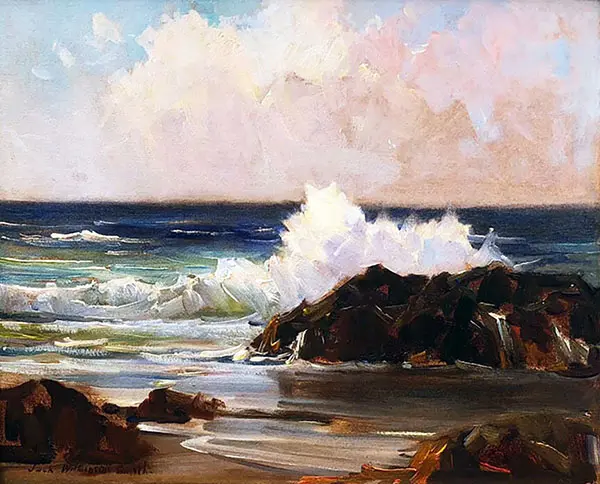
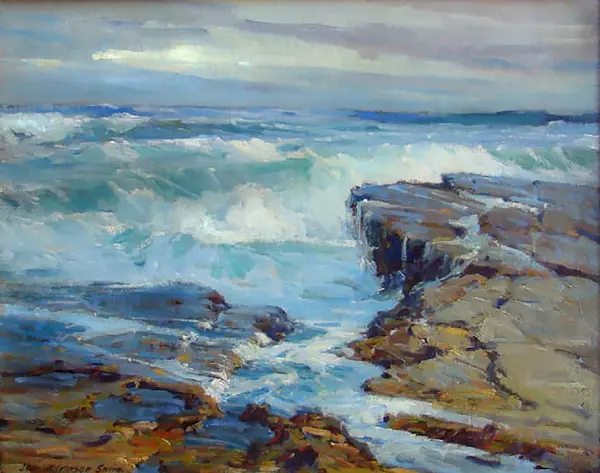
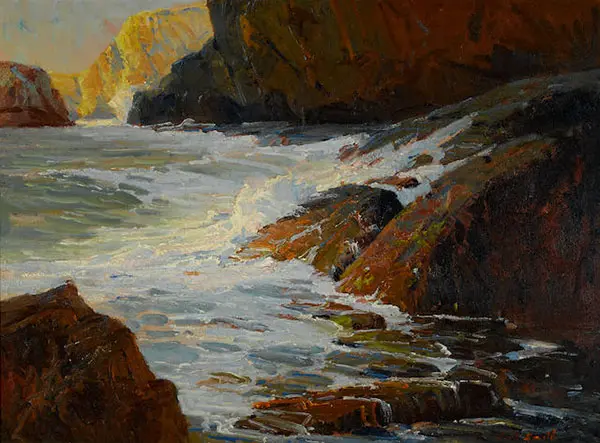
The growing art community around Laguna Beach became one of America's most influential coastal centers for painting. Artists found endless inspiration in the Pacific Ocean, capturing the changing light, rolling surf, rocky headlands, and quiet beaches that continue to define Southern California's coastline. Their paintings celebrate not only the beauty of the landscape but also the distinctive character of the region itself.
Among the best-known artists associated with this movement was Edgar Alwin Payne, whose sweeping coastal landscapes combined careful observation with bold composition.
William Wendt became renowned for portraying California's hills, oak trees, and shoreline with remarkable sensitivity to natural light, while Guy Rose brought the influence of French Impressionism to the California coast, producing luminous paintings that captured the changing colors of the Pacific. Artists such as Granville Redmond and Franz Bischoff further expanded the movement with distinctive interpretations of California's coastal scenery.
California Impressionist seascapes continue to be among the most admired works in our collection. Their luminous Pacific light, expansive coastal views, and unmistakable sense of place offer a distinctly American interpretation of marine painting that continues to resonate with collectors, admirers of American art, and those who appreciate the enduring beauty of the Pacific coastline.
Why Choose a Hand-Painted Seascape Reproduction
Every seascape reproduction is painted entirely by hand using traditional oil painting techniques on canvas. From crashing waves and quiet harbors to the changing light across the open sea, our professional artists preserve the character, color, and atmosphere that make each original work unique.
Each painting in our catalog is carefully researched before it is added to our collection and, once ordered, assigned to the artist whose experience best suits the original work. We also preserve the original artwork's aspect ratio to maintain its intended composition. Learn more about our Quality Control process and the principles behind our work on our About Us page.
From dramatic statement pieces for spacious living areas to peaceful coastal scenes for bedrooms, our seascape collection offers museum-quality reproductions in a wide range of sizes, each remaining faithful to the original masterpiece.
What Makes Seascape Paintings So Enduringly Popular
Some subjects in art never lose their appeal, and seascape paintings are among them. Since 1996, seascapes have consistently been one of the most popular categories in our catalog.
While every customer has their own reasons for choosing a particular painting, many are drawn to the sea because it evokes memories of favorite coastlines, unforgettable vacations, sailing adventures, or simply the calming rhythm of waves meeting the shore.
Another reason seascape paintings have remained so enduringly popular is their remarkable artistic diversity. Few artistic subjects have inspired so many painters across so many different art movements, allowing every generation to interpret the sea in its own distinctive way.
From the meticulous realism of Dutch Golden Age marine painting and the dramatic seascapes of 19th-century Romanticism to the luminous brushwork of the Impressionists and the bold interpretations of 20th-century artists, the sea has continually inspired fresh artistic ideas.
That remarkable artistic diversity is reflected throughout our collection of hand-painted seascape oil painting reproductions. From dramatic ocean storms and crashing surf to peaceful harbors, sunlit Mediterranean beaches, and atmospheric coastal landscapes, you'll find museum-quality hand-painted seascape oil paintings for sale, each created to capture the character and atmosphere that have made these masterpieces enduring favorites for generations.




Enter Your Private Gallery
Log in with your gallery ID here
Track Your Order
Type your order number here
Most Popular Artists