




Gustave Courbet Oil Painting Reproductions
Gustave Courbet replica paintings on Canvas for sale
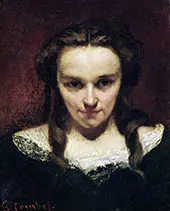
Born in the rural town of Ornans in eastern France, Gustave Courbet became one of the most influential painters of the 19th century and the pioneering force behind the Realist movement. Rather than idealizing his subjects, he believed art should portray the world as it truly existed, whether depicting hardworking laborers, rugged coastlines, quiet forests, intimate portraits, or the female figure.
Courbet's extraordinary range of subjects became one of the defining features of his career. From the social realism of The Stonebreakers and the intensity of The Desperate Man to powerful seascapes, peaceful landscapes, portraits, hunting scenes, and celebrated figure paintings, his work demonstrated that everyday life could be every bit as compelling as history or mythology.
Why Gustave Courbet Changed the Course of European Art
In the mid-19th century, European painting was still dominated by historical events, mythology, religion, and idealized beauty. Courbet rejected these established traditions, arguing that artists should paint the world they could see rather than imagined scenes from the past. Farmers, laborers, village life, and the French countryside became subjects worthy of the same artistic importance once reserved for monarchs, military leaders, and figures from classical mythology.
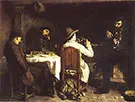
This philosophy became known as Realism, placing truthful observation above romantic idealization. Paintings such as The Stonebreakers and A Burial at Ornans challenged both artistic convention and public opinion by presenting ordinary people on the monumental scale traditionally reserved for historical subjects.
Although controversial when first exhibited, these works fundamentally changed the direction of European art. They influenced later artists including Édouard Manet, Claude Monet, Paul Cézanne, and countless others who sought new ways of representing modern life.
The Stonebreakers: The Painting That Defined Realism
Painted in 1849, The Stonebreakers is widely regarded as the defining masterpiece of the Realist movement. Instead of celebrating military victories, religious subjects, or classical mythology, Courbet portrayed two ordinary laborers performing the exhausting work of breaking stones for road construction. Their worn clothing, weathered hands, and anonymous faces emphasize the dignity and hardship of physical labor without sentimentality or idealization.
The painting shocked many critics because it treated everyday working people with the same artistic importance traditionally reserved for kings, generals, and historical heroes. By presenting ordinary life with honesty and respect, Courbet challenged long-established artistic conventions and demonstrated that modern society could provide subjects every bit as important as the great events of history.
Although the original painting was destroyed during the bombing of Dresden in 1945, The Stonebreakers remains one of the most influential lost masterpieces in Western art. Its legacy continues to define Realism and stands as a powerful symbol of Courbet's belief that art should reflect the world as it truly exists.
Its companion masterpiece, A Burial at Ornans, is now housed in the Musée d'Orsay in Paris, where it remains one of the landmark paintings of French Realism.
Beyond Realism: Courbet's Most Controversial Paintings
Courbet was never afraid to challenge accepted ideas about what art should portray. Among his most discussed works is The Sleepers (Le Sommeil), painted in 1866. Its intimate depiction of two sleeping women was considered highly provocative for its time and became one of the most controversial paintings of the 19th century. Rather than presenting an idealized or symbolic scene, Courbet approached the subject with the same direct observation that defined all of his work.
Courbet also created some of the finest nude paintings of the 19th century. His paintings of nude women departed from the highly idealized traditions of academic art, instead emphasizing natural form, light, and realism. These works helped redefine figure painting and remain among the most admired examples of 19th century European art.
Collectors interested in nude paintings can also explore our collection of hand-painted reproductions featuring masterpieces by many of history's greatest artists.
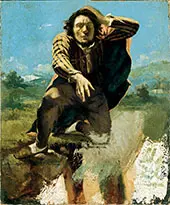
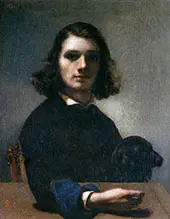
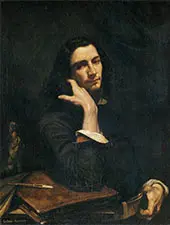
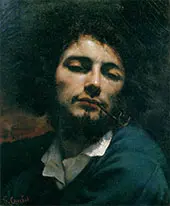
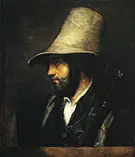
Another of his best-known works, The Desperate Man, reveals a very different side of the artist. Believed to have been painted in his early twenties, this remarkable self-portrait captures an expression of fear and emotional intensity that continues to fascinate viewers. Its striking composition and psychological power have made it one of the most recognizable self-portraits in European art.
These paintings demonstrate Courbet's willingness to explore every aspect of the human experience, from physical labor and rural life to emotion, identity, and the human figure. His refusal to conform to artistic convention helped establish his reputation as one of the boldest and most independent painters of the 19th century.
From Crashing Waves to Hunting Dogs: Courbet's Remarkable Range of Subjects
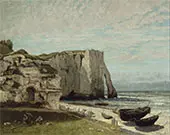
Although Gustave Courbet is best known as the founder of Realism, his artistic achievements extended far beyond the paintings that first made him famous. In addition to these celebrated masterpieces, he explored an extraordinary variety of subjects, producing dramatic seascapes, peaceful landscapes, expressive portraits, hunting scenes, woodland views, still life compositions, and beautifully observed paintings of sporting dogs and wildlife.
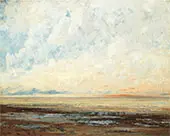
Among Courbet's finest landscapes are his celebrated wave paintings, including The Wave (1869), now in the collection of the Petit Palais in Paris. Here, crashing surf and turbulent seas are captured with remarkable energy and technical skill.
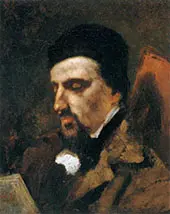
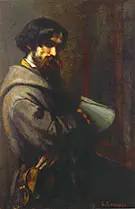
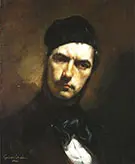
His portraits reveal a keen understanding of personality, while his rural landscapes and hunting scenes demonstrate the same careful observation that defined all of his work. Few artists of the 19th century mastered such a wide range of subjects with equal confidence. This versatility continues to attract admirers of landscape paintings, seascape paintings, portraits, animal art, and figure painting.
H2 Buy Hand-Painted Gustave Courbet Oil Painting Reproductions
From groundbreaking masterpieces that transformed European art to dramatic seascapes, portraits, landscapes, and paintings of nude women, Gustave Courbet created one of the most diverse bodies of work of any 19th century French artist.
Explore our collection of hand-painted Gustave Courbet oil painting reproductions, faithfully recreating many of the finest masterpieces of French Realism on canvas in a wide range of sizes.
















Enter Your Private Gallery
Log in with your gallery ID here
Track Your Order
Type your order number here
Most Popular Artists