




Constructivism Oil Painting Reproductions
Find Constructivism Oil Painting Replicas by Constructivism Artists
Constructivism Art: A Brief Introduction
Constructivism art was a particularly rigorous form of abstract art in Russia around 1915.
Founded by Aleksandr Rodchenko and Vladimir Tatlin, constructivism in art defines the social and political changes in Russia at the time. The group’s approach soon spread throughout Europe, becoming particularly influential in Germany.
This brief introduction provides an overview of this fascinating art movement. Discover how it shaped early 20th Century art, from what Constructivism means to its founding members and their most famous paintings.
When was the Constructivism art movement?
The Constructivist art movement began in 1915. However, it was relatively short-lived, lasting until the mid-1920s.
During this crucial decade, however, constructivist art reflected and referenced the changing nature of Russian Communism and industrialization. As a result, it ultimately rejected decorative art. Instead, constructivist artists replaced these bourgeoisie creations with assemblages of industrial materials.
In terms of famous paintings and drawings, constructivist art often served political and social purposes. Frequently using red, the color of the Russian Revolution, its strong geometric forms and primary colors championed the Bolsheviks, Soviet socialism, and the Russian avant-garde.
What is Constructivism in Art?
In art historical terms, constructivism refers to this artistic movement of the early twentieth century. While it often involved “constructing” assemblages, constructivist art encompassed a range of media, including painting, architecture, photography, and cinema.
Constructivism championed contemporary approaches to art, as seen in the development of the Russian Futurist Art Movement, a group that rejected the past and celebrated the modern machine age. The abstracted counter-reliefs of Vladimir Tatlin characterized the movement.
Early paintings by Vladimir Tatlin, such as Sailor and The Fishmonger, are more figurative and representational. However, Tatlin's oil paintings soon evolved into geometric abstraction, as seen in art such as Composition: The Month of May.
Where does the term Russian Constructivism originate?
Despite the importance of Vladimir Tatlin to the Constructivist art movement, Russian sculptors Naum Gabo and Antoine Pevsner are credited with inventing the term constructivism. The constructivists took inspiration from Kazimir Malevich and the Suprematist movement, which was also gaining pace at the time.
Constructivism first appeared in the Gabo and Pevsner Realistic Manifesto of 1920. The first working group of constructivists included Lyubov Popova, Varvara Stepanova, Aleksandr Vesnin, and Aleksandr Rodchenko, along with academics Aleksei Gan, Osip Brik, and Boris Arvatov.
Constructivist artists defined the art movement as a mixture of essential elements: “faktura” and “tektonika.”
- Faktura refers to the material nature of an object.
- Tektonika signifies its position in space.
The group initially worked on three-dimensional constructions. It was only later that the term was subsequently incorporated to include paintings, posters, and montages.
Russian Constructivism Art
Vladimir Tatlin and Aleksandr Rodchenko founded the constructivist movement after seeing Cubism paintings by Pablo Picasso in 1913. Tatlin created similar artworks, including sculptural still-life pieces made from scrap metal and industrial materials. While described as still life art, they were entirely abstract.
Tatlin’s creations inspired a whole generation of artists. Proudly describing themselves as constructivists, their manifesto appeared in 1920. It was in the LEF journal and included avant-garde artists from the Soviet Union, such as writers, photographers, and designers.
This manifesto declared that there should be no discernible constructivist style. Instead, art should be a logical product of the “industrial order.” They said constructivism was like designing a car or airplane, showing skill and organization in using materials.
What is the Constructivist view of art?
Constructivists viewed art as a reflection of the modern industrializing world. Unlike the idea of art for art's sake, the Constructivists created political posters and designs for Russia's new Bolshevik government.
One of the most famous political posters was El Lissitzky’s Beat the Whites with the Red Wedge in 1919. However, many other artists also worked closely with the Russian government’s Proletkult, the ministry that championed and protected proletarian culture.
Constructivist painting transformed viewers into active participants. It was not just art, but a creative exploration that furthered the Soviet political cause.
Works such as White Circle 1918 by Aleksandr Rodchenko particularly represent this effort. The painting has abstract lines, color, and space. It lets viewers have their responses.
Who is the father of Constructivism Paintings?
While Tatlin and Rodchenko founded the movement, Kazimir Malevich was its precursor and father.
Malevich’s Suprematist movement emerged in 1913, asserting that artists needed liberation from traditional rules of life and art. Malevich particularly admired the Cubist artists' ability to deconstruct and examine art and objects. Inspired by this approach, he led a group of avant-garde Russian artists, many of whom participated in the Constructivist movement.
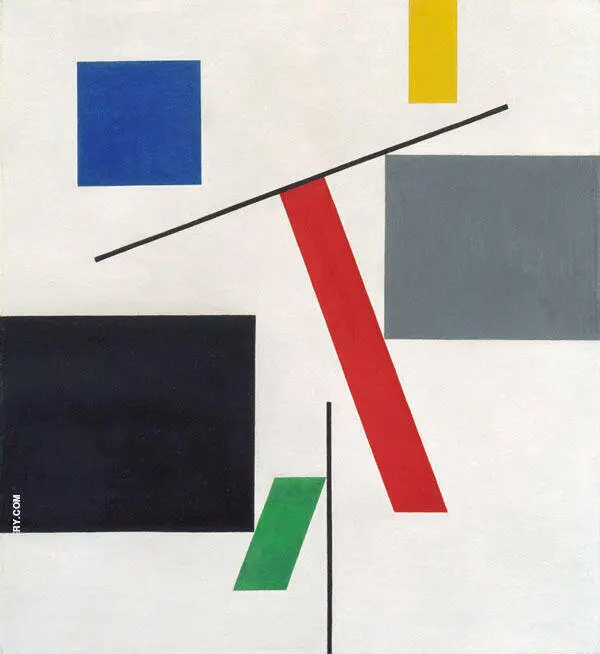
Suprematist Composition, Kazimir Malevich, demonstrates the early shoots of constructivist art. A solid black horizontal line juxtaposes with floating blocks of primary color, all vying against an impenetrable white backdrop. Oil paintings Chanconnette 1920 by Rodchenko and Proun 19D by El Lissitzky use whites, blacks, and geometric primary colors. These works have similarities in their color choices.
Despite this, "The Black Square" by Kazimir Malevich is arguably the culmination of both Suprematist and Constructivist goals. It is a genuinely abstract art movement painting devoid of any real-life elements. Instead, the painting concentrates purely on shape and form. Malevich stated that he was desperately trying to free art from the dead weight of the real world.
What is an example of Constructivist art?
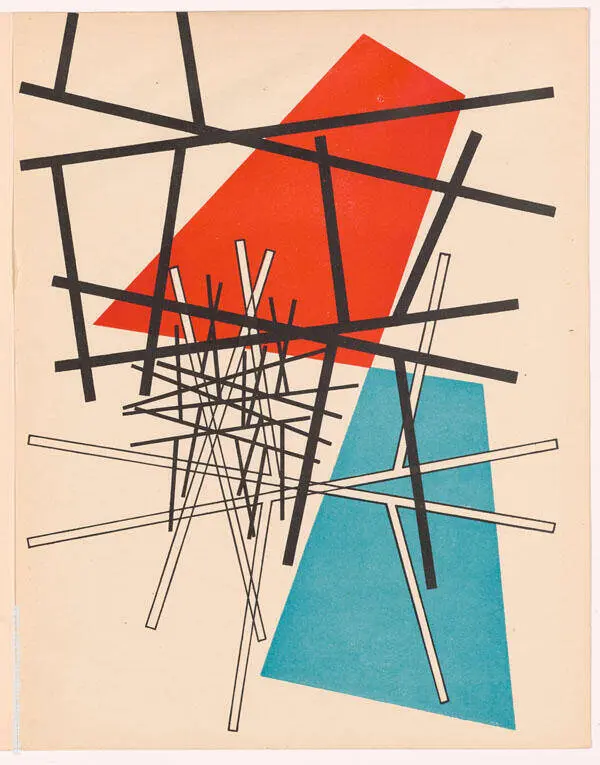
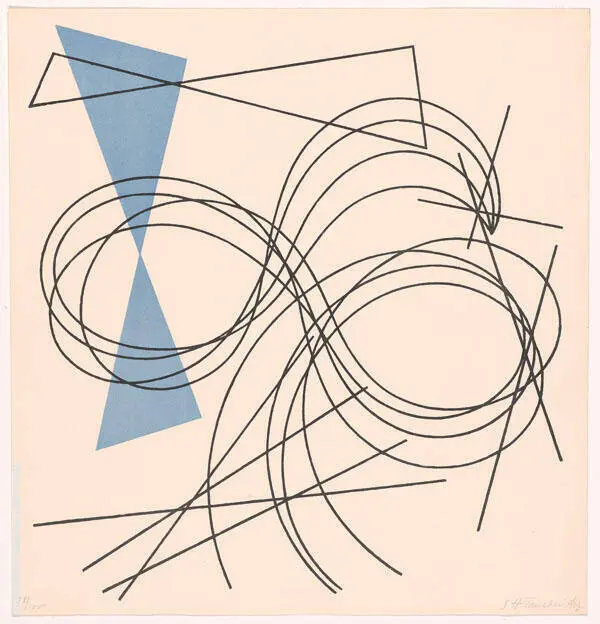
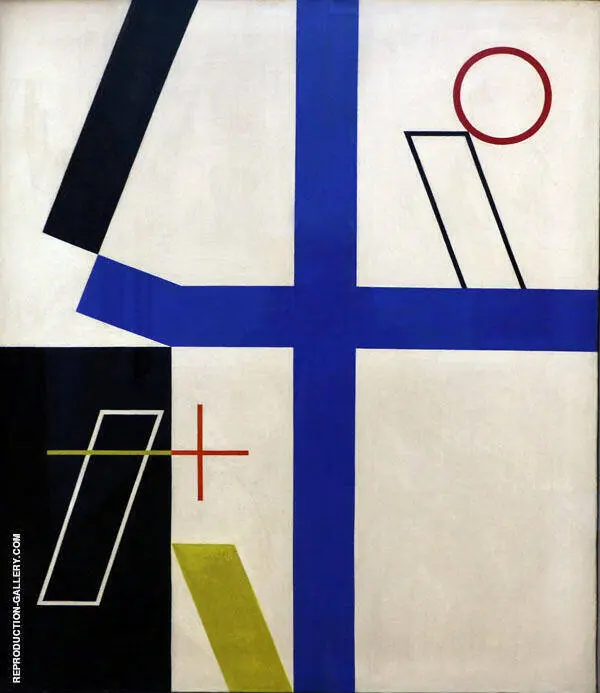
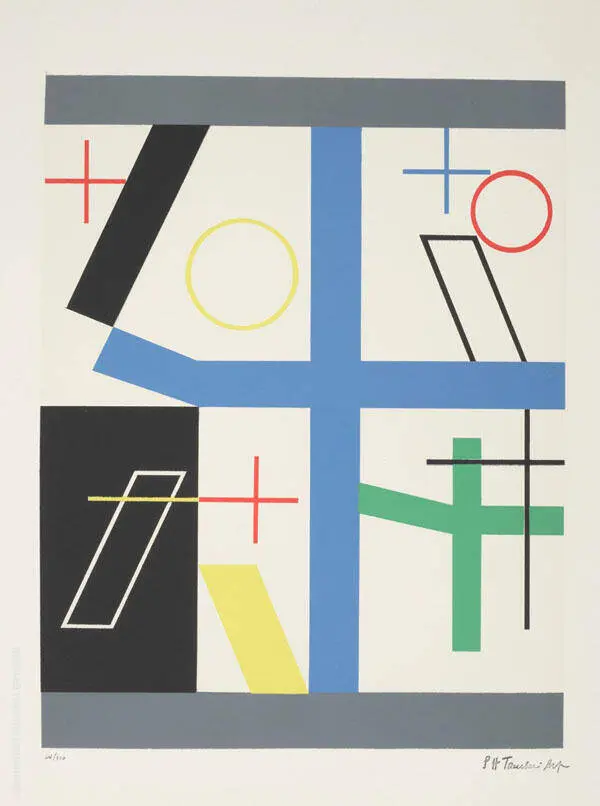
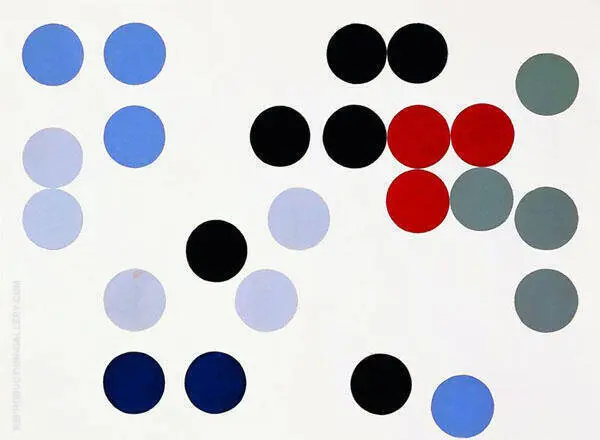
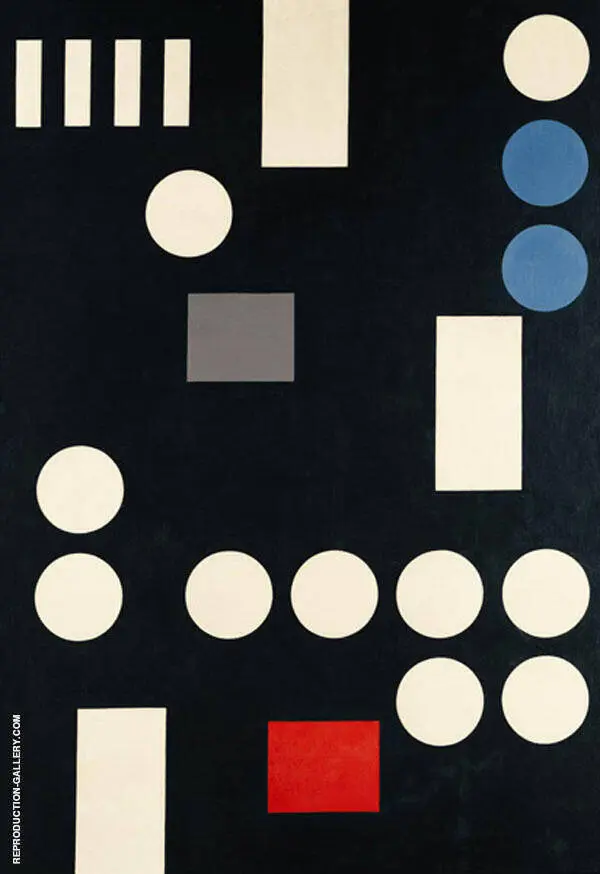
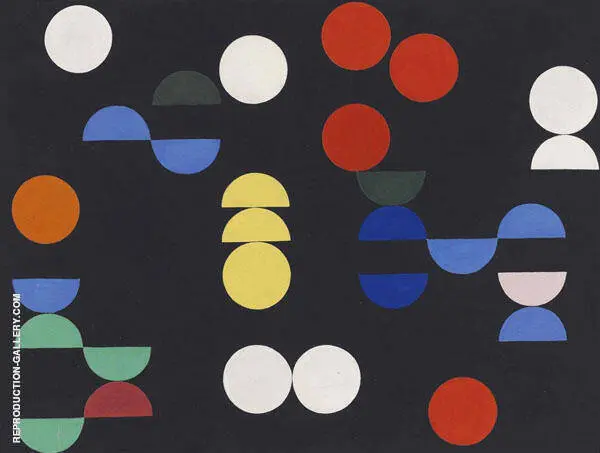
Painted in 1930, Composition of Circles and Overlapping Angles by Sophie Taeuber-Arp exemplifies constructivist art. Created in response to the movement’s main creative drive in Russia, it demonstrates the significant influence of constructivism across Europe. Taeuber-Arp's oil painting features white, black, blue, and red circles and geometric forms set against a solid, pale blue backdrop.
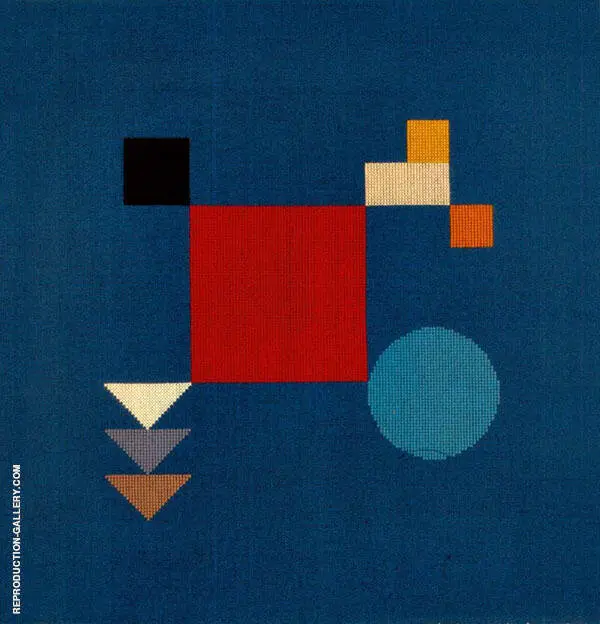
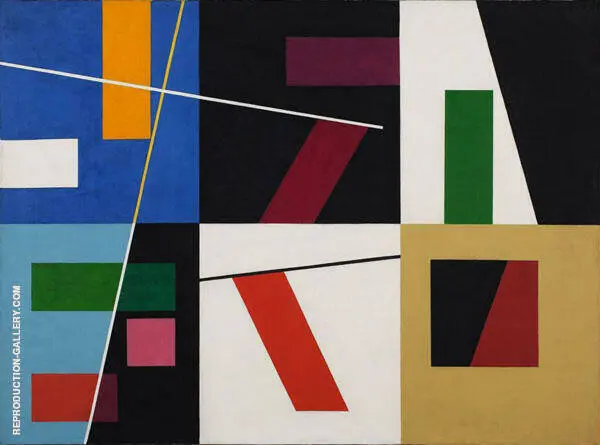
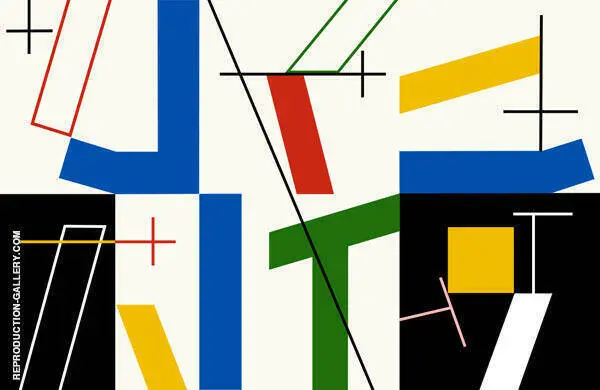
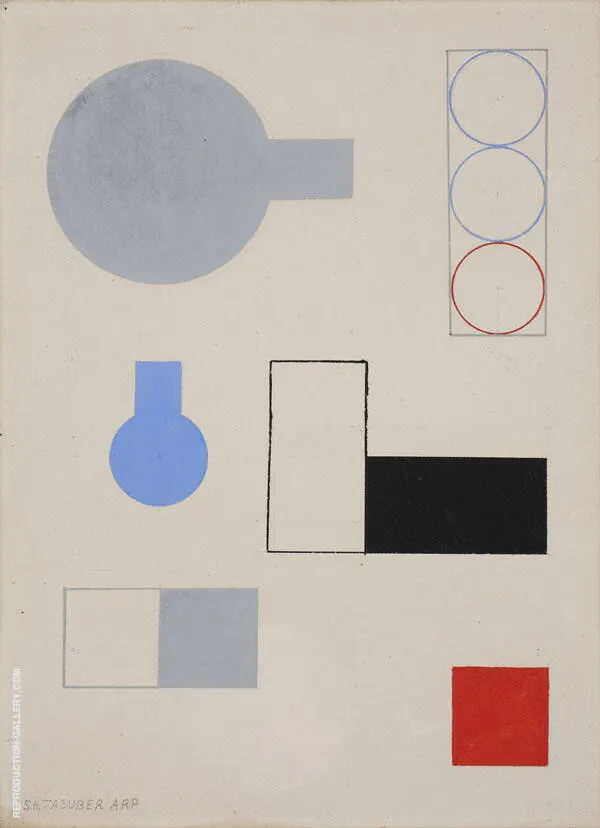
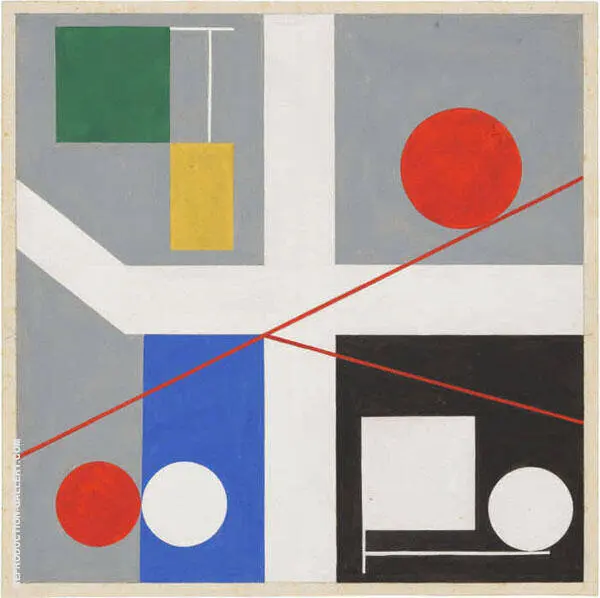
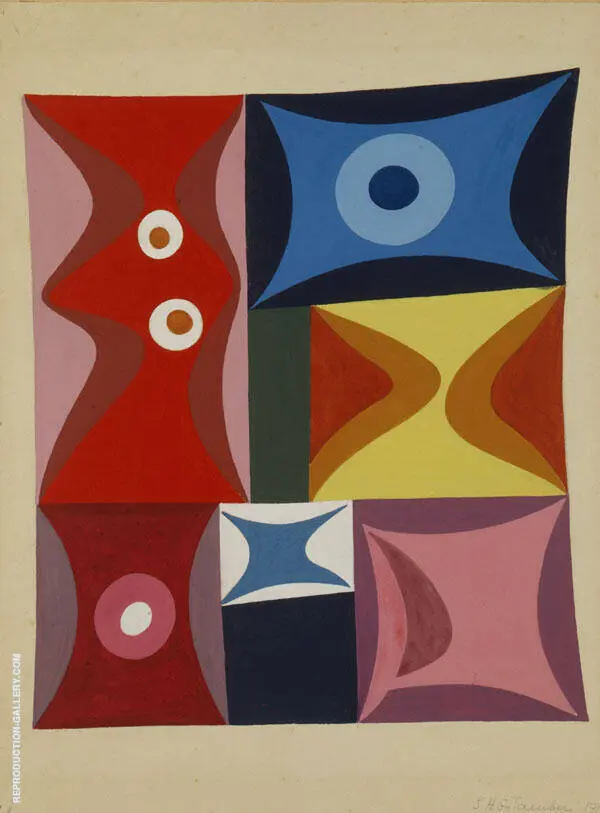
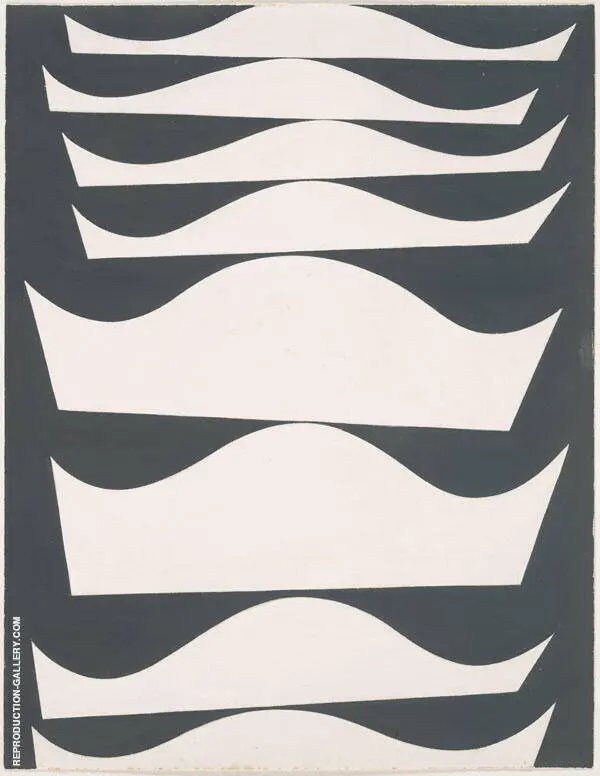
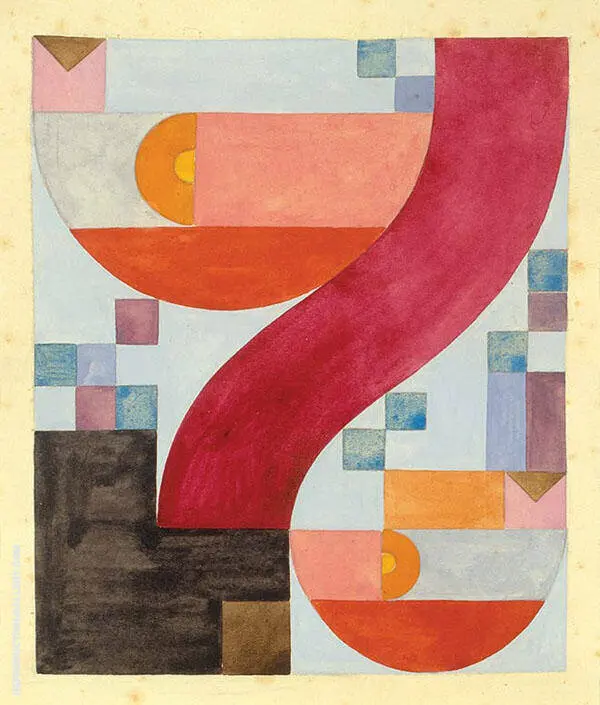
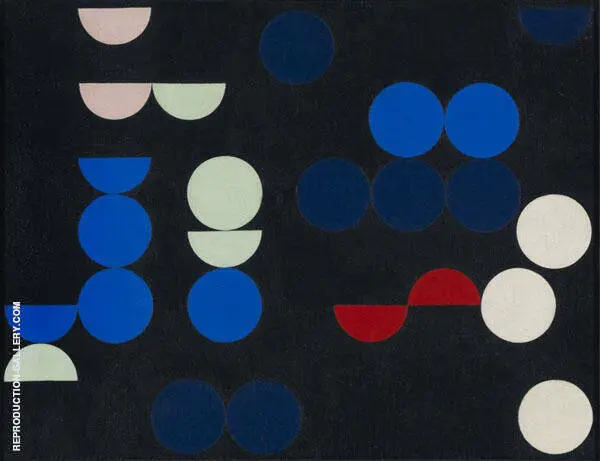
As a Swiss artist, Sophie Taeuber-Arp was one of the foremost abstract artists of the 20th century. She is primarily associated with the Dada art movement, although her work encompasses a range of media, including embroideries, sculptures, puppets, magazines, and constructivist pieces. While Sophie Taeuber-Arp is lesser known today, her geometric abstraction art ensured the continuation of the constructivist style. The constructivist aesthetic is evident in oil paintings such as "Six Spaces" and "Four Spaces with Red Rolling Circles."
Another artwork demonstrating the movement’s enduring relevance is Figuras a Cinco Colores 1946 by famous Spanish artist Joaquin Torres-Garcia. This painting is influenced by Piet Mondrian and the De Stijl movement, showing a simple and geometric style.
Like the constructivists, Joaquin Torres-Garcia frequently used his art to express social and political messages, especially his Catalan identity. Torres-Garcia also played a crucial role in pioneering European abstract art.
What did the Constructivism Art Movement influence?
Due to its revolutionary nature, Russian leaders suppressed constructivism from the mid-1920s onwards. Nonetheless, it had a profound influence on art throughout Europe.
Many artists traveled west, with sculptors and painters such as Naum Gabo and Franz Wilhelm Seiwert championing the art movement. In countries such as Germany and the UK, Constructivist art remains a considerable influence on modern sculpture and architecture.
Indeed, Constructivism art influenced significant artistic movements such as the Bauhaus and De Stijl. Many constructivists taught or lectured at Germany’s Bauhaus school, and Gabo established an English version of constructivism during the 1930s.
Constructivism Art Famous Painting Reproductions
Discover constructivist art and explore our extensive collection of oil painting reproductions by renowned Russian artists.
Enjoy large modern wall art from famous Russian artists Kazimir Malevich, El Lissitzky, and Aleksandr Rodchenko.
Discover colorful paintings, oversized wall art, and monochrome paintings to decorate the walls of your home or office.

Testimonial from Ben S, London UK


Enter Your Private Gallery
Log in with your gallery ID here
Track Your Order
Type your order number here




Cannot Find What You Are Looking For?
Reproduction Gallery Information
Customer Service

(Send Us A Message)

Tel: (302) 513 3464