




Academic Art Oil Painting Reproductions
Find Academic Art Oil Painting Replicas by Academic Art Artists
What Is the Academic Art Movement?
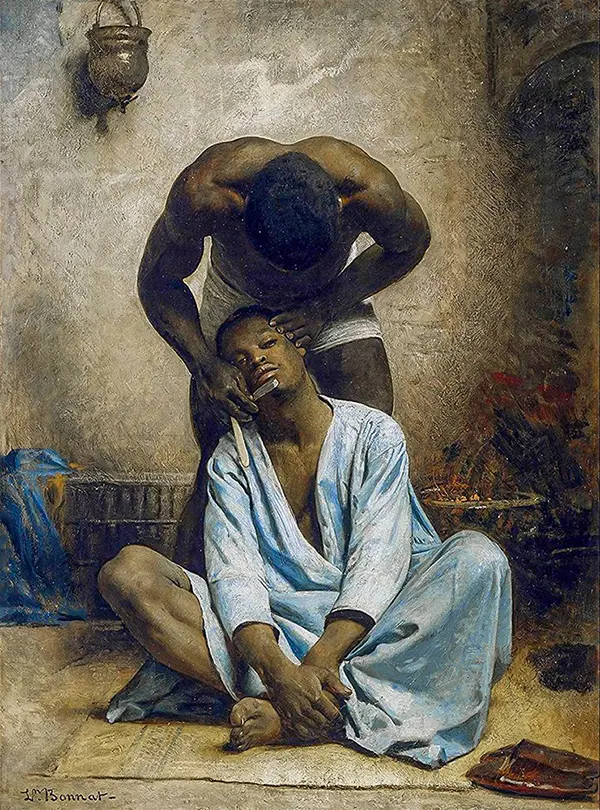
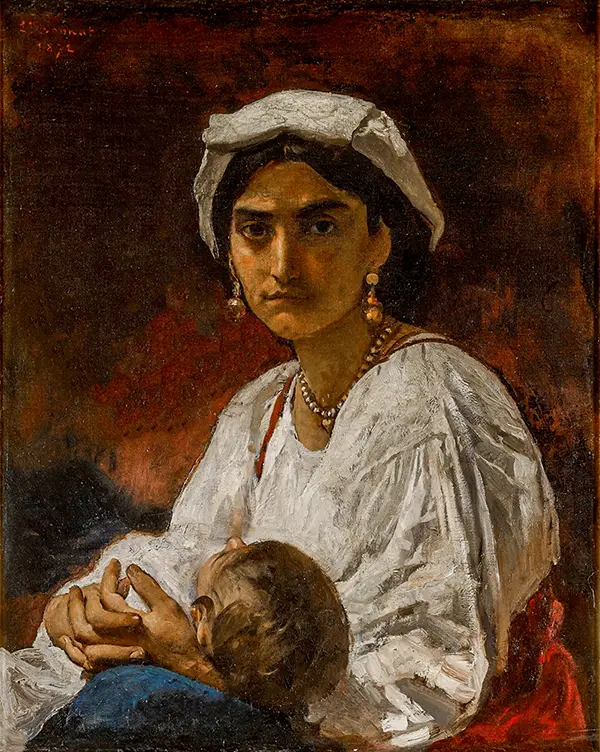
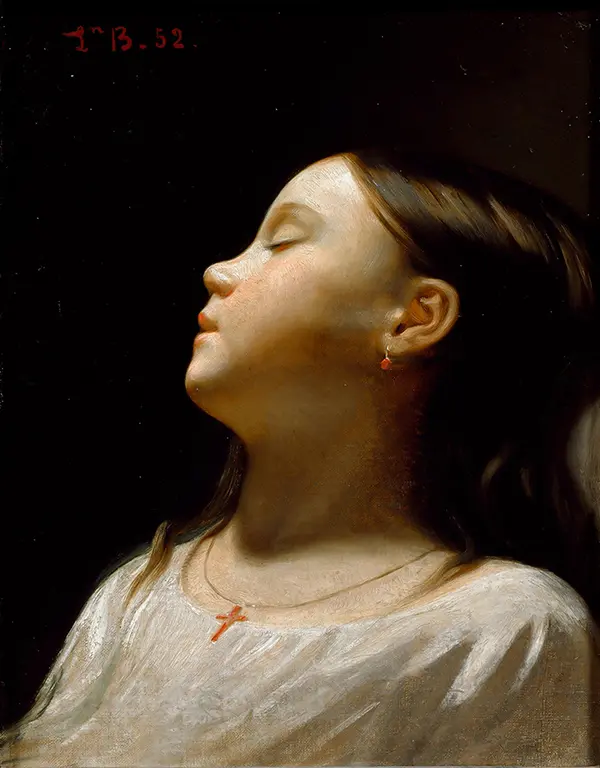
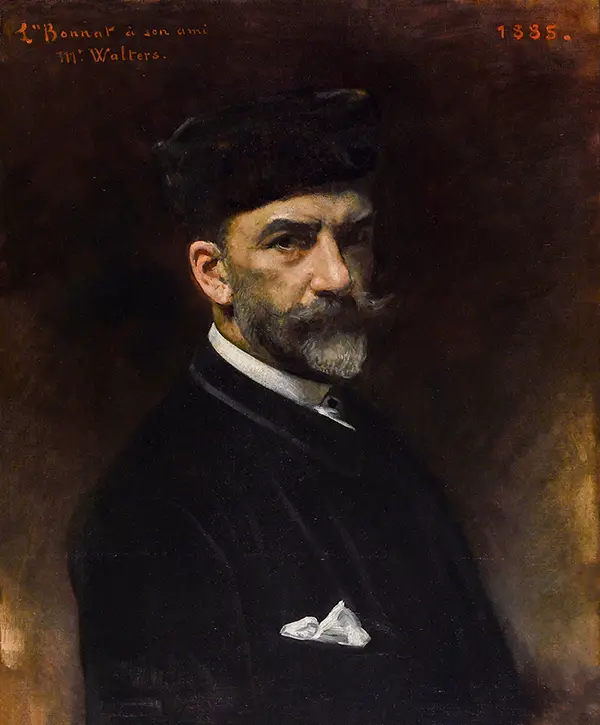
The Academic Art Movement was a European art tradition (17th–19th centuries) based on formal academy training. It emphasized technical mastery, classical subjects, and idealized beauty, shaping artistic standards through institutions such as the Paris Salon and the Académie des Beaux-Arts.
It refers to a style of painting and sculpture that developed in Europe during the 17th to 19th centuries, guided by the formal standards of major art academies such as the Académie des Beaux-Arts in Paris and the Royal Academy in London.
19th century Academic art emphasized technical mastery, classical subject matter, and idealized human form, drawing heavily on the traditions of ancient Greek and Roman art as well as Renaissance masters such as Raphael and Michelangelo.
Artists working within the Academic tradition followed strict rules of composition, perspective, anatomy, and finish, producing highly polished works that were often exhibited at official salons, particularly the Paris Salon, the most influential art exhibition of the 19th century.
These standards were formalized through institutions such as the Académie des Beaux-Arts and reinforced through the Paris Salon, which dictated artistic success in 19th-century Europe.
Academic Art Movement — At a Glance
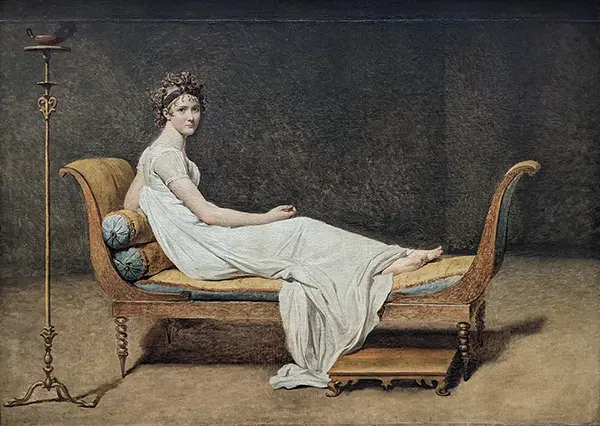
This movement refers to a European artistic tradition (17th–19th centuries) based on formal academy training and rooted in academic classicism. It emphasized refined aesthetics, classical subject matter, and idealized beauty, and was led by prominent 19th century French artists such as Jacques-Louis David, Jean Auguste Dominique Ingres, and William Adolphe Bouguereau.
Academic paintings defined artistic standards for centuries and remain highly valued today.
What Are the Key Characteristics of Academic Art?
Academic Art is defined by a consistent set of stylistic and technical principles that were taught in formal academies:
- Highly refined technique with smooth, invisible brushwork
- Accurate anatomy and proportion, often based on life drawing
- Classical and historical subject matter, including mythology, religion, and history painting
- Balanced, harmonious compositions influenced by Renaissance ideals
- Hierarchical subject ranking, with history painting considered the highest form
- Idealized human figures, representing beauty, morality, and intellectual themes
These characteristics made Academic Art the dominant artistic standard in Europe for centuries.
Who Were the Most Famous Academic Artists and Their Most Important Paintings?
Several major artists defined the Academic Art Movement, producing some of the most technically accomplished and widely recognized paintings in Western art history.
Jacques-Louis David (1748–1825)
A leading figure of Neoclassicism and Academic painting in France.
- Oath of the Horatii (1784)
Oil on canvas — approx. 329.8 x 424.8 cm (129.84 x 167.24 in)
Louvre Museum, Paris
A monumental history painting depicting Roman patriotism and sacrifice, widely regarded as a defining work of Neoclassicism.
- The Death of Socrates (1787)
Oil on canvas — approx. 129.5 x 196.2 cm (50.98 x 77.24 in)
Metropolitan Museum of Art, New York
Illustrates the philosopher’s final moments with dramatic clarity, emphasizing reason, virtue, and moral conviction
Jacques-Louis David’s academic paintings established a model of discipline, structure, and intellectual rigor that shaped generations of 19th century French artists.
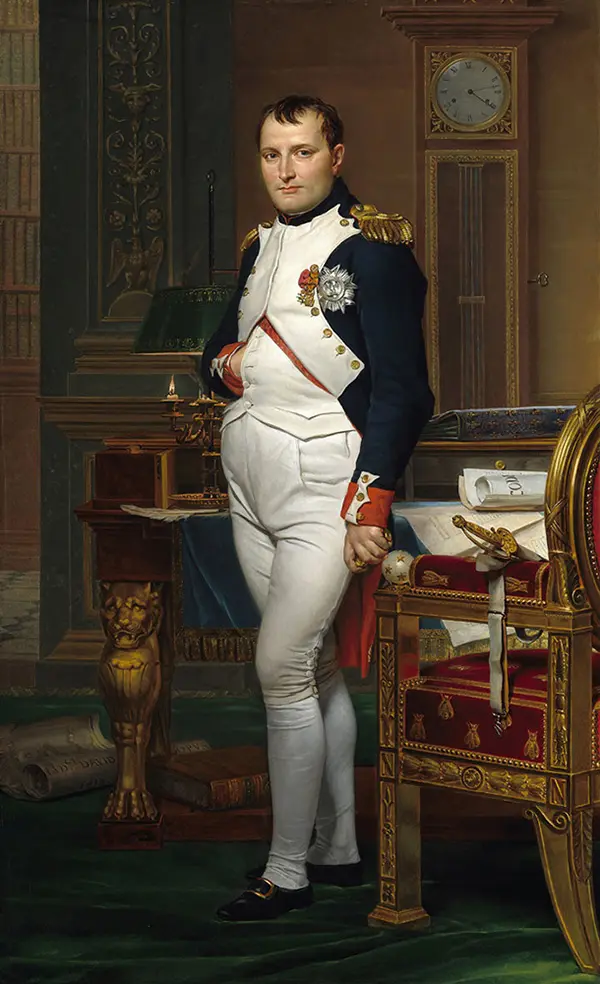
Jean-Auguste-Dominique Ingres (1780–1867)
Jean-Auguste-Dominique Ingres was one of the most refined practitioners of academic classicism, celebrated for his exceptional draftsmanship and emphasis on line over painterly effects. His work represents a continuation of classical ideals, with a focus on idealized beauty and precision.
- La Grande Odalisque (1814)
Oil on canvas — approx. 91 x 162 cm (35.82 x 63.77 in)
Louvre Museum, Paris
A highly stylized depiction of the female nude, combining exoticism with elongated proportions and refined surface detail.
- Napoleon I on His Imperial Throne (1806)
Oil on canvas — approx. 259 x 162 cm (101.96 x 63.77 in)
Musée de l’Armée, Paris
A formal and symbolic portrait emphasizing imperial authority through symmetry, detail, and iconography.
Ingres’ academic paintings reinforced the ideals of purity, control, and formal perfection, central to Academic Art training.
William-Adolphe Bouguereau (1825–1905)
One of the most celebrated 19th century French artists, William-Adolphe Bouguereau, became synonymous with the technical perfection of academic paintings during the height of the Paris Salon. His work is known for its smooth finish, lifelike realism, and idealized figures.
- The Birth of Venus (1879)
Oil on canvas — approx. 300 x 218 cm (118.11 x 85.82 in)
Musée d’Orsay, Paris
A large-scale mythological composition depicting Venus emerging from the sea, surrounded by classical figures in a harmonious arrangement.
- Dante and Virgil in Hell (1850)
Oil on canvas — approx. 281 x 225 cm (110.62 x 88.58 in)
Musée d’Orsay, Paris
A dramatic and highly detailed scene inspired by Dante’s Inferno, showcasing Bouguereau’s mastery of anatomy and emotional intensity.
Bouguereau’s work exemplifies the refinement, technical brilliance, and polished finish that define academic classicism.
Alexandre Cabanel (1823–1889)
Alexandre Cabanel was a leading Academic painter and a prominent figure at the Paris Salon, known for his elegant compositions and mythological subjects. His work represents the more sensual and decorative side of academic paintings, while maintaining strict adherence to classical ideals.
- The Birth of Venus (1863)
Oil on canvas — approx. 130 x 225 cm (51.18 x 88.58 in)
Musée d’Orsay, Paris
A refined and highly idealized depiction of Venus, celebrated for its smooth finish and graceful composition.
- Fallen Angel (1847)
Oil on canvas — approx. 121 x 189 cm (47.63 x 74.40 in)
Musée Fabre, Montpellier
A striking portrayal of Lucifer after his fall, combining emotional intensity with academic precision.
Cabanel’s paintings highlight the elegance, sensuality, and technical control that appealed strongly to 19th-century audiences.
Lawrence Alma-Tadema (1836–1912)
Lawrence Alma-Tadema was an internationally renowned Academic painter known for his highly detailed scenes of ancient Greek and Roman life. His work combines archaeological accuracy with decorative richness, making his academic paintings particularly appealing to collectors.
- The Roses of Heliogabalus (1888)
Oil on canvas — approx. 132.7 x 214.4 cm (52.24 x 84.4 in)
Private Collection
A lavish depiction of a Roman banquet, famous for its intricate detail and dramatic narrative.
- A Coign of Vantage (1895)
Oil on canvas — approx. 64 x 45 cm (25.19 x 17.71 in)
Private Collection
A more intimate composition showing figures overlooking the sea, highlighting Alma-Tadema’s interest in light, texture, and atmosphere.
Alma-Tadema’s work represents the later evolution of academic classicism, combining historical precision with decorative beauty.
Why Is the Academic Art Movement Important in Art History?
The Academic Art Movement played a foundational role in shaping Western art by establishing standards of artistic training, technique, and evaluation that influenced generations of artists.
Its importance lies in several key contributions:
- Formalized art education, creating structured training systems still used today
- Preservation of classical traditions, linking ancient art to modern practice
- Development of large-scale history painting, considered the highest intellectual art form
- Creation of international exhibitions, such as the Paris Salon, which shaped artistic careers
- Technical excellence, setting benchmarks for drawing, anatomy, and composition
While Academic Art emphasized precision and classical ideals, later movements such as Impressionism rejected its strict rules in favor of light, color, and spontaneity.
Even movements that rejected 19th century Academic Art, such as Impressionism and Modernism, were deeply influenced by its principles, making it essential to understanding the evolution of Western art.
Why Is Academic Art Still Popular Today?
Academic art remains highly valued today because it combines technical excellence with timeless visual appeal. Rooted in classical traditions, academic paintings offer a level of craftsmanship, clarity, and balance that continues to resonate with modern audiences and collectors.
- Key reasons for its enduring popularity include:
- Timeless beauty and harmony grounded in classical artistic ideals
- Exceptional technical mastery, with refined detail and smooth, polished finishes
- Recognizable and meaningful subject matter, including mythology, history, and allegory
- Decorative elegance, making academic paintings suitable for both traditional and contemporary interiors
- Emotional clarity and narrative strength, allowing viewers to easily engage with the subject
Unlike more abstract or conceptual movements, Academic paintings offer a direct visual experience, making them accessible to a wide audience.
Why Do Academic Paintings Work So Well in Interior Design?
Academic Art paintings integrate seamlessly into a variety of spaces due to their balance, refinement, and subject matter.
They are particularly effective in:
- Living rooms and formal spaces, where classical themes enhance sophistication
- Offices and libraries, creating an intellectual and cultured atmosphere
- Luxury interiors, complementing traditional furniture and décor
- Modern minimalist spaces, where they add contrast and depth
Their neutral palettes, balanced compositions, and figurative clarity allow them to elevate both classic and contemporary environments.
Where Can You Buy Hand-Painted Academic Paintings?
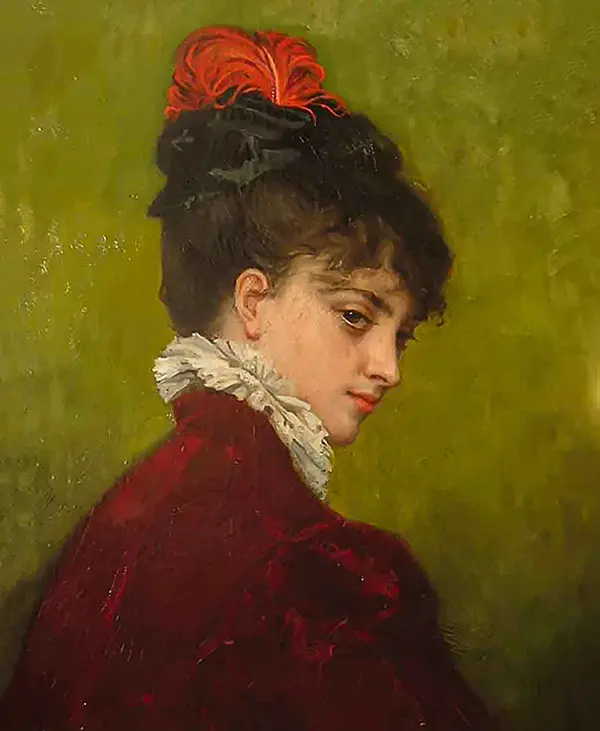
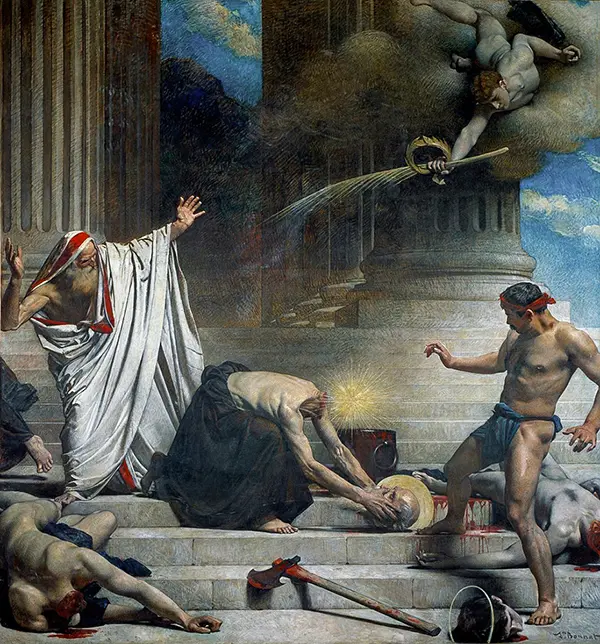
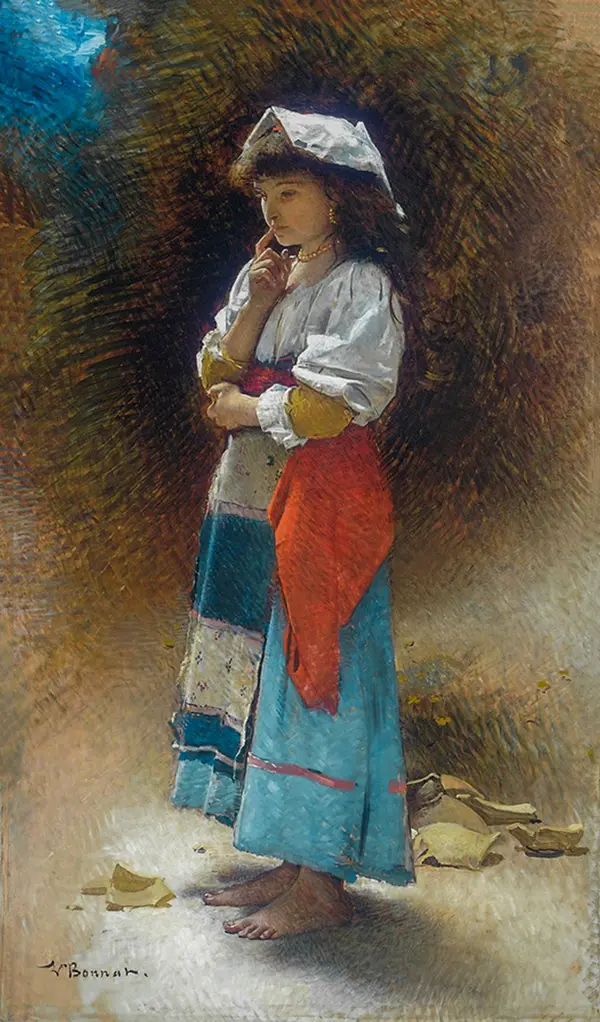
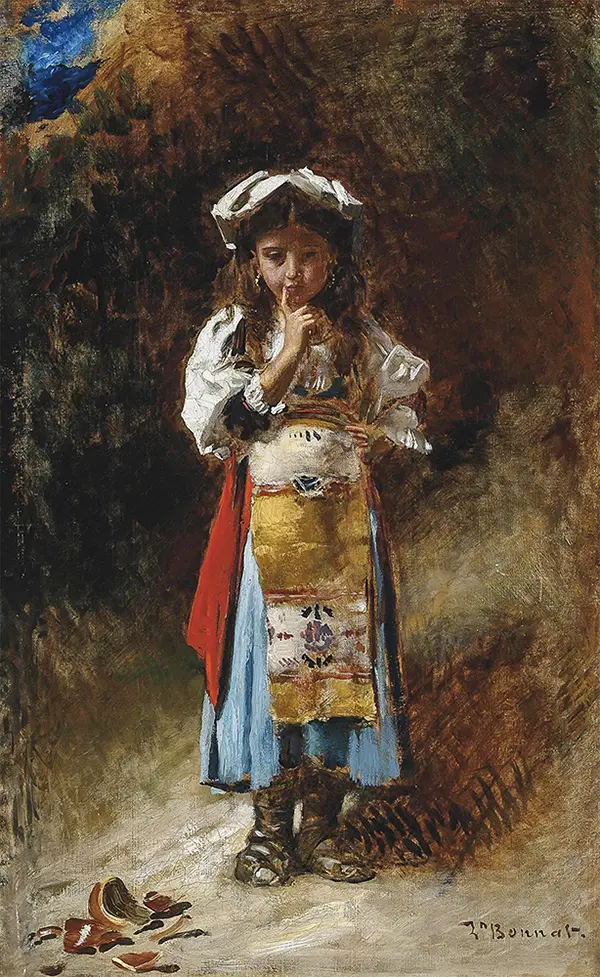
At Reproduction-Gallery.com, we create museum-quality academic paintings using traditional oil painting techniques, allowing collectors to own faithful recreations of classical masterpieces from the Academic Art Movement.
Each painting is carefully produced by trained artists who specialize in academic classicism, ensuring that the composition, color harmony, and fine detail reflect the standards established by leading 19th century French artists.
What Sets Our Academic Paintings Apart?
Unlike mass-produced prints or digital reproductions, our academic paintings are created through a meticulous, studio-based process designed to achieve both visual accuracy and long-term durability.
- Individually hand-painted artworks — every piece is created from start to finish by an experienced artist
- Traditional oil painting methods — layered techniques used in classical academic studios
- Historically informed color palettes — matched to the original compositions wherever possible
- Carefully proportioned compositions — maintaining the balance and harmony central to academic classicism
- Multiple-stage quality review — each painting is inspected for accuracy, detail, and finish before shipping
- Flexible sizing options — scaled to suit both residential and professional interiors
- Secure FREE international delivery — professionally packaged for safe worldwide shipping
- 45-day satisfaction guarantee — allowing you to order with complete confidence
Academic paintings remain one of the most enduring choices for collectors because they combine technical excellence, classical beauty, and historical significance.
Whether displayed in a home or office, they bring a sense of refinement and cultural depth that few other art styles can achieve.



Enter Your Private Gallery
Log in with your gallery ID here
Track Your Order
Type your order number here




Cannot Find What You Are Looking For?
Reproduction Gallery Information
Customer Service

(Send Us A Message)

Tel: (302) 513 3464