




Realism Oil Painting Reproductions
Find Realism Oil Painting Replicas by Realism Artists
Realism Paintings: A Brief Introduction
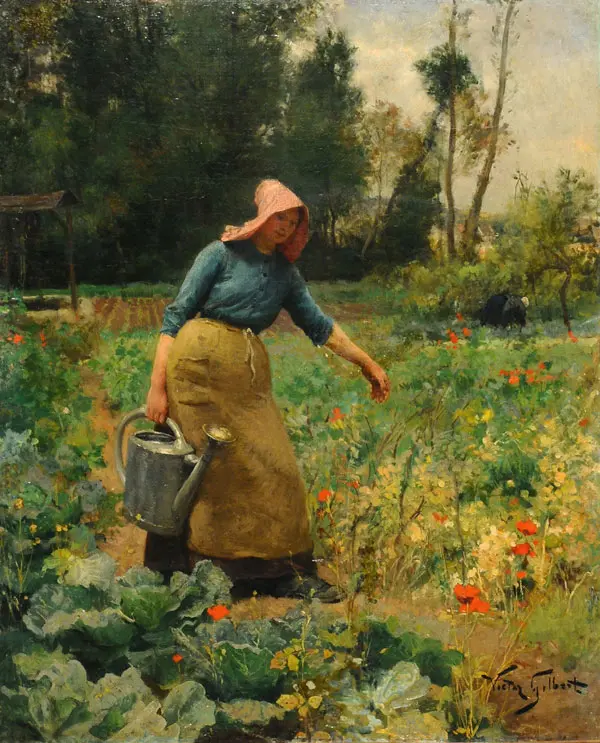
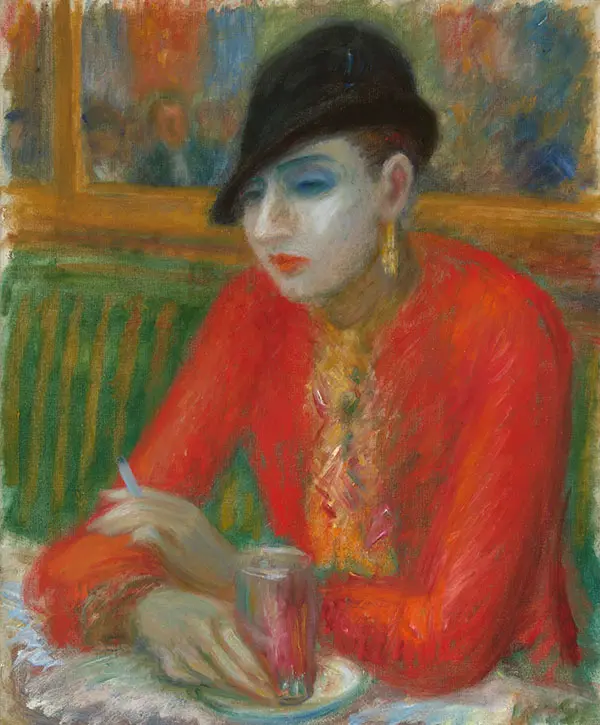
Realism art is a specific genre of art that first appeared in the mid-19th century. While it can describe paintings created in a “photo-realist” style, it’s more about the natural subject matter. For example, these oil paintings could feature working people, families eating dinner, or lone individuals wiling away the hours in a bar or cafe. Whatever the topic, Realism artists delight in elevating everyday life. They give their art historical importance, authenticity, and respect, irrespective of social class or status.
Who are the famous Realism artists?
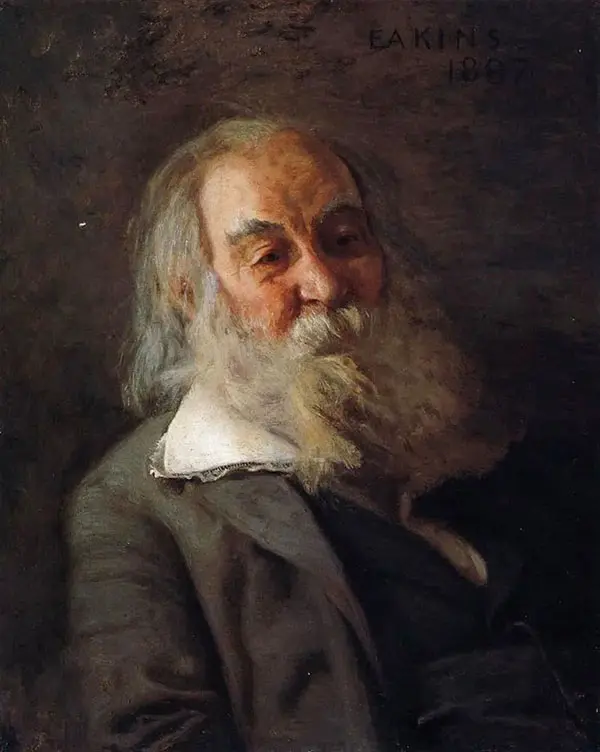
From Gustave Courbet's paintings to the work of Thomas Eakins and Edward Hopper, we explore the most famous Realism paintings.
What is Realism in Art?
Before the 19th century, history painting and a style known as the “Grand Manner” dominated art. Grand Manner painting refers to images based on idealized, classical approaches. Oil paintings often featured mythological scenes and emulated the style of Italian Renaissance paintings by Old Master artists such as Michelangelo and Raphael. In contrast, Realism emerged in the mid-19th century. Rather than highly controlled and unrealistic subject matter, these artworks abandoned artificiality and instead favored depictions of real life and everyday people.
Realism developed together with “Naturalism.” An artistic style exemplified by painters such as John Constable aims to represent things as they appear to the human eye. These two art movements paved the way for later innovations such as Impressionism and Modern Art. Champfleury, the French novelist, introduced the term “Realism” in the 1840s. In Champfleury’s understanding, Gustave Courbet's paintings perfectly exemplify the Realism art movement.
What makes a Realism Painting?
Realist paintings accurately depict everyday, contemporary life or natural scenes. Artists working in this style generally employ a precise technique, rejecting imaginative and idealized forms. Realism art favors close observation of external appearances and natural light. Although this is not always the case, realistic paintings often illustrate peasant and working-class life. In addition, city streets, cafes, bars, and entertainment venues make a regular appearance.
Realist artists also developed a new way of presenting the human form. Rather than classical, idealized approaches, as seen in paintings by Sandro Botticelli or one of the famous nude paintings by Alexandre Cabanel, such as The Birth of Venus, bodies are depicted with unflinching frankness. In addition, painters such as Gustave Courbet and Francisco Goya increasingly presented the body as a sexual subject. Over time, Realism art addresses grittier issues, often designed to shock middle and upper-class art audiences.
It is essential to note that Realist art can also encompass intricately detailed paintings, such as photo-realism and hyper-realistic art. With a sharply focused approach, groups such as the Pre Raphaelite artists employed this particular painterly style. Oil paintings, such as John Everett Millais’ Ophelia, demonstrate this technique in action. Nonetheless, the photo-realistic Pre Raphaelites differ from true Realism art due to their mythological and narrative subject matter.
What are the Characteristics of Realism Paintings?
Although Realism artworks spread all over Europe, French artists notably adopted the style, rejecting Romantic and Historical approaches. Artists painted human sitters with flaws, imperfections, and a realistic portrayal of reality. In this way, they present everyday people as worthy of artistic depiction. Realism emerged partly in response to the 1848 French Revolution, which focused on workers’ rights, social equality, and other issues.
The main characteristics of the Realist art movement paintings include the following:
● A complete rejection of Romantic and Classical ideals.
● Representing contemporary settings and sitters “as they were.”
● Focusing on working people and everyday situations.
● Duller, earth-toned color palettes were typical, ignoring the opulent jewel tones of Renaissance oil paintings.
● Reacting to a new European awareness of workers’ rights and the lower classes.
Who were Realist painters?
Some foremost Realist painters include the French artists Jean-Francois Millet, Jean-Baptiste Camille Corot, and Gustave Courbet. Outside of France, Russian artists such as Ilya Repin and Vasily Perov formed the influential Wanderers group known as the Peredvizhniki. In the Netherlands, the Hague School drew inspiration from realist principles, as seen in early paintings by van Gogh. British and American artists particularly reveled in Realist approaches.
Some well-known realist painters included James Abbott McNeill Whistler, Ford Madox Brown, Winslow Homer, and Thomas Eakins. Indeed, Homer and Eakins played a significant role as forerunners of the later Ashcan School. This latter movement depicted the daily life of the American lower classes with incredible realism and sensitivity. American Gothic by Grant Wood's oil painting is considered realism style art and is a major attraction at the Art Institute of Chicago.
What is an example of Realism art?
Here are four examples of Realism art from famous Realist painters.
1. Gustave Courbet, The Stone Breakers, 1849
The artist's paintings often sparked controversy, and this unusual double portrait was no exception. Nevertheless, the Stone Breakers was one of the artist’s earliest works to shock the French art establishment. Courbet disregarded the classical traditions of depicting rural people in harmony with nature, and the artist presents two men toiling at backbreaking tasks in this painting. The stony roadside provides little comfort, with the shadows ominously encroaching from the top of the composition. Concealed faces and ripped clothes reinforce the workers' dehumanizing and repetitive nature.
2. Thomas Eakins, The Gross Clinic, 1875
Among Thomas Eakins's paintings, The Gross Clinic is one of the most shocking. Measuring 240 by 200 centimeters, it is an oversized painting showing a professor lecturing in medical anatomy. With uncompromising Realism and gory detail, this oil painting charts the emergence of surgery. Medical students crowd around an anesthetized patient undergoing a thigh-bone operation. Intriguingly, Eakins also included a self-portrait in this exceptional work. He is the shadowy figure on the far right-hand side, sketching or making notes on the scene.
3. Nighthawks by Edward Hopper
Edward Hopper describes his iconic painting Nighthawks as depicting the loneliness of a large city. His painting shows three customers sitting in an all-night diner. Each person appears lost in thought, disengaged from their fellow humans. The bright glow of the diner’s electric lights contrasts with the darkness of the street outside. It is an eerie depiction, with no discernible entrance to the restaurant and no people on the nighttime streets.
Edward Hopper's most famous painting is an example of Realism, focusing on everyday life, but it is not a literal representation of a “real” scene. The artist took inspiration from a restaurant on Greenwich Avenue in New York City. Despite this, the actual location is a figment of Hopper’s imagination. Among Edward Hopper's famous artworks, Nighthawks is an iconic oil on canvas painting. It hangs in the Art Institute of Chicago, USA, and one of our most popular reproductions of famous paintings is Nighthawks by Hopper.
Realism Paintings: High Quality Art Reproductions
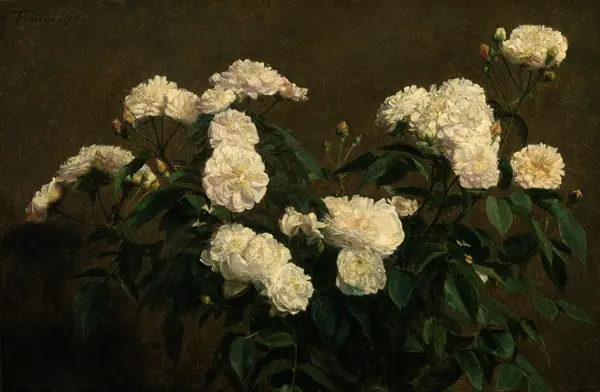
If you love the authenticity and beauty of Realism art, explore our extensive collection of oil painting reproductions for sale. We specialize in oversized wall art by famous artists, featuring works by Edward Hopper, Gustave Courbet, and Thomas Eakins.




Enter Your Private Gallery
Log in with your gallery ID here
Track Your Order
Type your order number here




Cannot Find What You Are Looking For?
Reproduction Gallery Information
Customer Service

(Send Us A Message)

Tel: (302) 513 3464