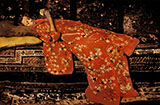




George Hendrik Breitner Oil Painting Reproductions
George Hendrik Breitner replica paintings on Canvas for sale
Who is George Hendrik Breitner?
George Hendrik Breitner was born in Rotterdam in 1857 and attended the Art Academy in The Hague. Breitner was both an artist and a photographer and is considered part of the Amsterdam Impressionist art movement, which was influenced by The Hague School, a group of Dutch artists painting between 1860 and 1890. The Hague School artists, notably Jozef Israels, and Anton Mauve, were themselves influenced by the Barbizon artists, particularly Theodore Rousseau, Jean Francois Millet, and Jean Corot.
Who are the Dutch Impressionist Painters?
Other Amsterdam Impressionist artists of the same period were Isaac Israels, Jan Toorop, and the Belgian painter James Ensor.
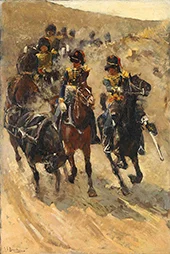
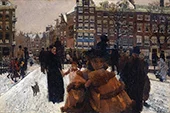
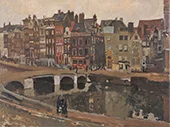
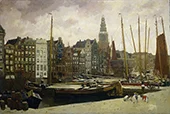
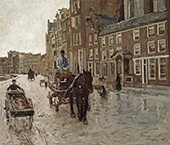
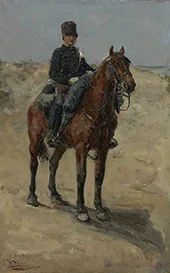
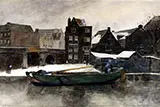
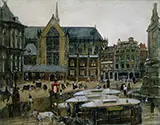
Noted for his paintings of street and harbor scenes, he painted outdoors, known as en plein air painting. He used photography as a means of recording street life to use in his paintings at a later date. The Dam in Amsterdam, 1836, is an oil painting created by George Hendrik Breitner utilizing this technique.
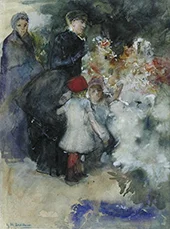
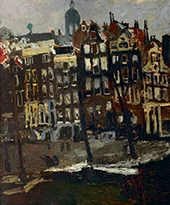
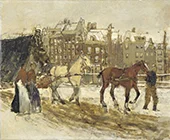
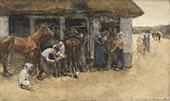
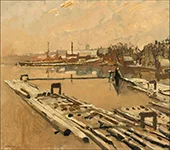
George Breitner was introduced to Vincent van Gogh by his brother Theo van Gogh, and the two sketched together in The Hague in 1882, where they portrayed working-class subjects, laborers, servants, and people from the lower-class districts. Breitner considered himself an artist of the people, and his subjects included city views, wooden foundations near the harbor, demolition and construction sites, and the city's canals.
Are George Hendrick Breitner's Famous Paintings
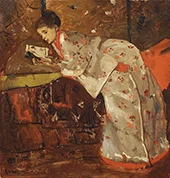
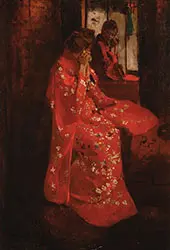
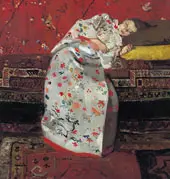
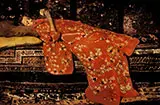
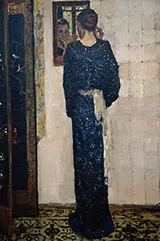
George Breitner's Kimono paintings, of which there are 14 in the series, were completed between 1893 and 1896. Although “Woman in Kimono” is a title used by many artists, there are five famous Breitner kimono oil paintings that are regular favorite art reproductions.
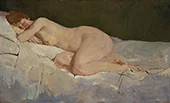
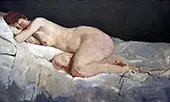
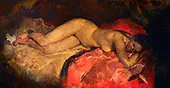
Breitner also painted female nudes, but like Rembrandt van Rijn, he was criticized because his female nude paintings were very realistically painted and not stylized, as was the prevailing fashion of the time. Breitner’s Reclining Nude, White Sheets was painted in 1888.
What is Breitner's Artistic Legacy?
George Breitner travelled extensively during the last decade of his life, exhibiting in the US. and the major capitals of Europe. However, it was in the Netherlands that his reputation and fame were secured. Breitner’s legacy is the introduction of social realism to the Netherlands, in much the same way as the paintings of Gustave Courbet and Jean François Millet exposed the great social injustices and poverty of the age.
We are delighted to introduce the oil paintings of George Hendrick Breitner to you and to include his work in our catalogue of our Most Popular Artists. Our George Breitner fine art reproductions on canvas are meticulously recreated by one of our resident professional artists, ensuring that every oil painting maintains the integrity of the original artwork.




Testimonial from John C, Miami, FL


Enter Your Private Gallery
Log in with your gallery ID here
Track Your Order
Type your order number here




Cannot Find What You Are Looking For?
Reproduction Gallery Information
Customer Service

(Send Us A Message)

Tel: (302) 513 3464