




Marc Chagall Oil Painting Reproductions
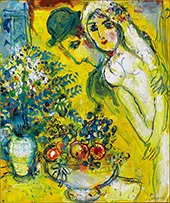
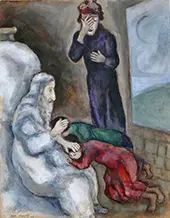
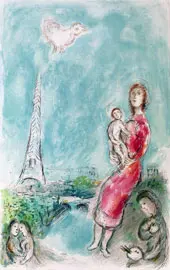
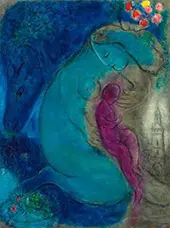
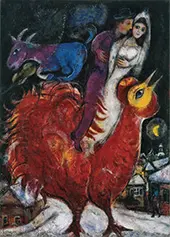
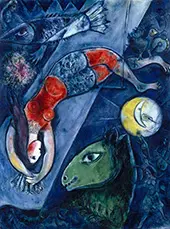
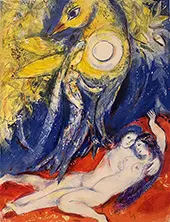
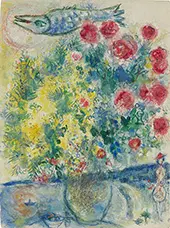
Marc Chagall replica paintings on Canvas for sale
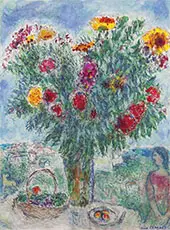
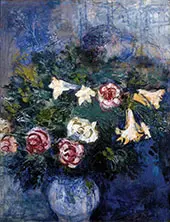
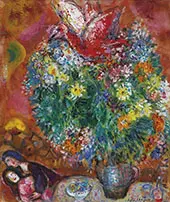
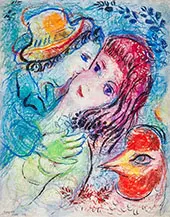
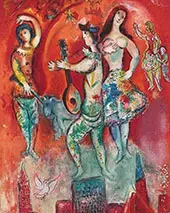
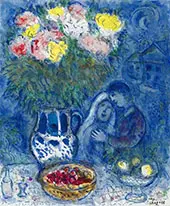
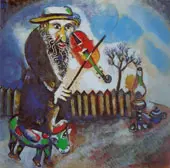
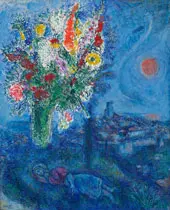
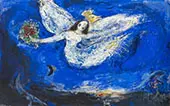
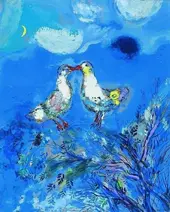
Famous oil paintings by Marc Chagall
Marc Chagall, the Russian-Jewish modernist painter who trained first in St Petersburg and then in Paris, where he met famous artists Amedeo Modigliani and Chaim Soutine.
Marc Chagall, Les Nabis, and Fauvist Artists
Chagall was influenced by Daumier and Millet, who are arguably the most important French artists of the mid-19th century. The Nabis painters and the Fauvist artists also had a profound impact on his work. The Cubism art movement was very fashionable in Paris during the early 1900s and is seen in some of Chagall’s earlier paintings.
Theater and Stage Scenery Paintings
Upon his return to Belarus to rejoin his wife, Chagall became involved with the Theater, creating stage scenery. He also made large background murals for the recently formed State Jewish Chamber Theater.
In 1923, Marc Chagall left Moscow for France, where he felt he could live more comfortably. He settled in the South of France and formed a business relationship with the Parisian art dealer Ambroise Vollard.
The outbreak of war meant that Chagall’s Jewish faith forced him to flee from the Nazis in occupied France, and he moved to New York, where he was friends with Piet Mondrian. In New York, he was represented by art dealer Pierre Matisse, the son of one of the most famous French artists, Henri Matisse.
Marc Chagall and his Return to France
Marc Chagall’s work for the New York Ballet was greatly admired. Post-war, Chagall returned once more to France and universal acclaim. It was here that he painted the ceiling of the Paris Opera.
During this period, he designed the stained glass windows for a University in Jerusalem, the United Nations Building in New York, the cathedral in Zurich, and Chichester Cathedral in Sussex, UK. The English Church at Tudely, Sussex, is the only church in the world to have all of its windows designed by Chagall.
Marc Chagall died in the South of France at the age of 97.
If you enjoy Modern Art Movement paintings and fine art reproductions of famous oil paintings, please enjoy browsing our extensive online catalog.





Enter Your Private Gallery
Log in with your gallery ID here
Track Your Order
Type your order number here



Cannot Find What You Are Looking For?
Reproduction Gallery Information
Customer Service

(Send Us A Message)

Tel: (302) 513 3464