




Dutch Golden Age Painting Oil Painting Reproductions
Find Dutch Golden Age Painting oil painting replicas by Dutch Golden Age Painters
Dutch Golden Age Painting: A Brief Introduction
Dutch Golden Age painting represents a remarkable period of artistic creation and cultural advancement in the Netherlands. Lasting for most of the 17th century, it has spawned some of the most famous art reproductions on canvas.
Given the complexity and sheer abundance of artistic innovation during this period, the Dutch Golden Age Art Movement continues to capture the public imagination. Famous Dutch artists such as Rembrandt and Johannes Vermeer have subsequently defined this art movement.
This brief introduction addresses some of the most frequently asked questions about Dutch Golden Age art.
What were the characteristics of Dutch Golden Age Painting?
The Dutch Golden Age was an epoch of immense prosperity and cultural progress for the Dutch Republic. Characterized by social upheaval, widespread European wars, and national pride, it was an intriguing era producing some incredible artistic masterpiece paintings.
Funding much of this was the Vereenigde Oost-Indische Compagnie (the Dutch East India Company), founded in 1602. The company was founded to protect trade in the Indian Ocean and assist in the war of independence against Spain. It became the world's largest company. Trading primarily in spices, silks, coffee, and sugar, the company ushered in the age of modern capitalism and industrialization. Unfortunately, it also significantly supported, prolonged, and profited from the slave trade.
With the influx of wealth, especially around large cities and harbor towns, Dutch arts, sciences, and military prowess flourished. Embodied by the famous Dutch paintings of Rembrandt, Frans Hals, and Vermeer, these artists and their famous paintings defined the era.
What made the Dutch art of its Golden Age distinctive?
The recurrence of secular subject matter distinguishes the Dutch Golden Age art. The country broke Catholic and monarchist cultural traditions, meaning artistic creation had to reinvent itself. Indeed, the so-called “Beeldenstorm” erupted in 1566, marking a surge of anti-Catholic iconoclasm that finally resulted in the Dutch revolt against Spanish control.
17th century Dutch art also responded to the contemporary trends in Baroque painting. Dutch Golden Age painting also evidenced exemplary realism, associated with richness, dramatic contrasts between light and dark, and narrative tension.
Despite the links with Baroque painting, Dutch Golden Age art lacked the classical idealization and splendor marking the movement. Instead, it often depicted intensely realistic and occasionally unglamorous insights into contemporary life and people.
What were the artists of the Dutch Golden Age known for depicting?
Dutch Golden Age painting frequently depicts secular, everyday life. Indeed, Dutch Calvinism, the most popular branch of Christian Protestantism, forbade Religious oil paintings and art inside Churches. Nevertheless, religious topics continued to feature in private homes, meaning that some biblical narratives persisted in Dutch art.
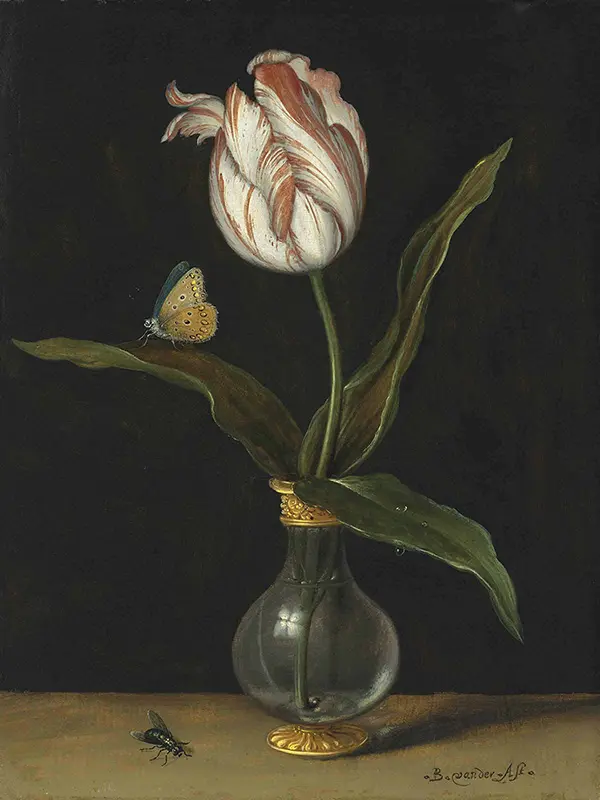
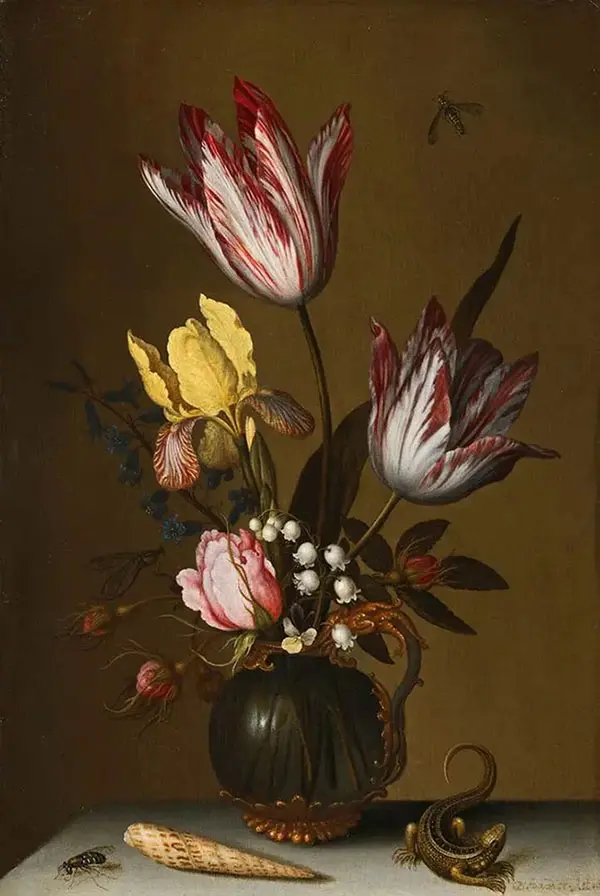
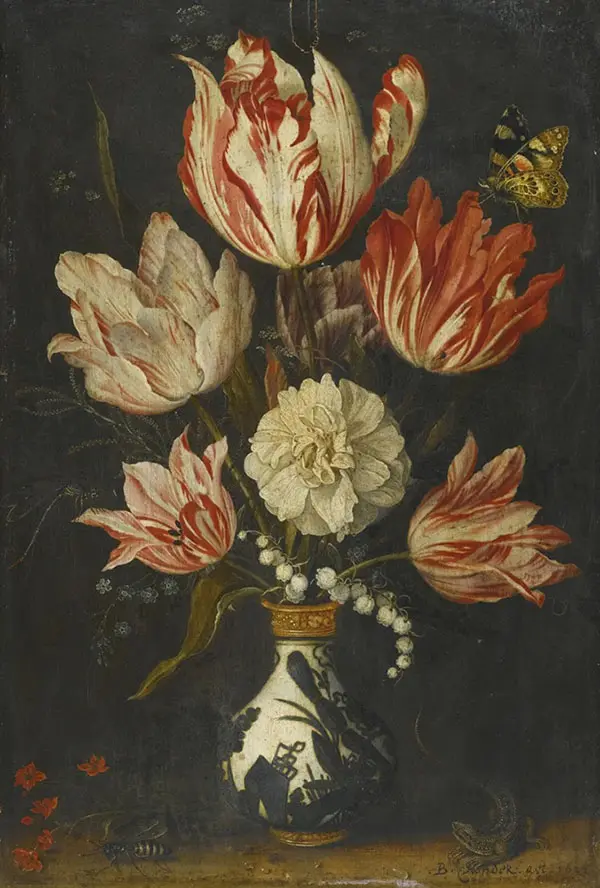
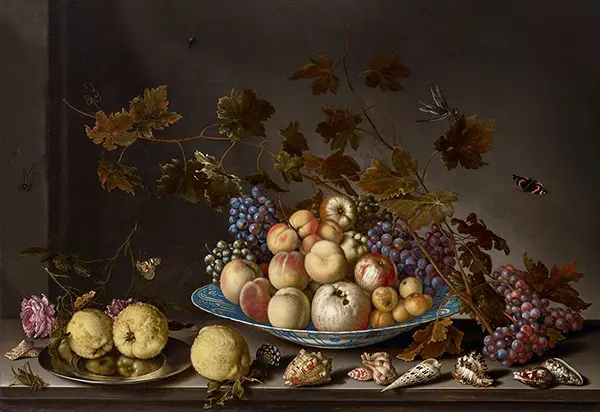
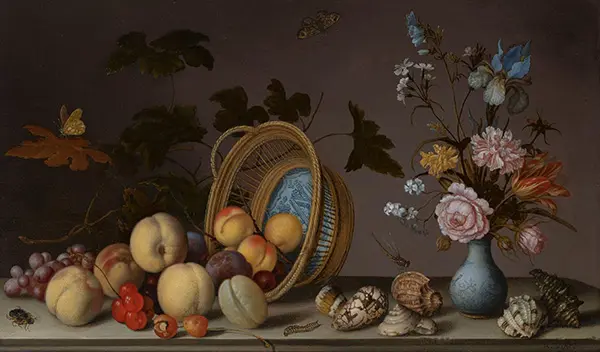
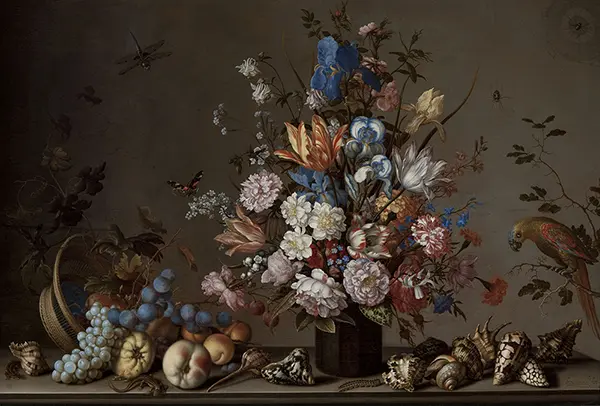
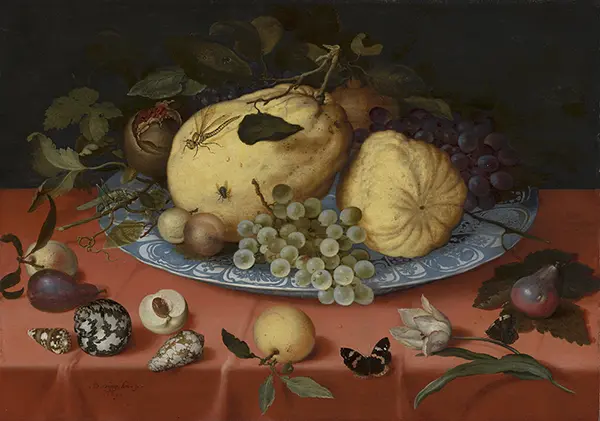
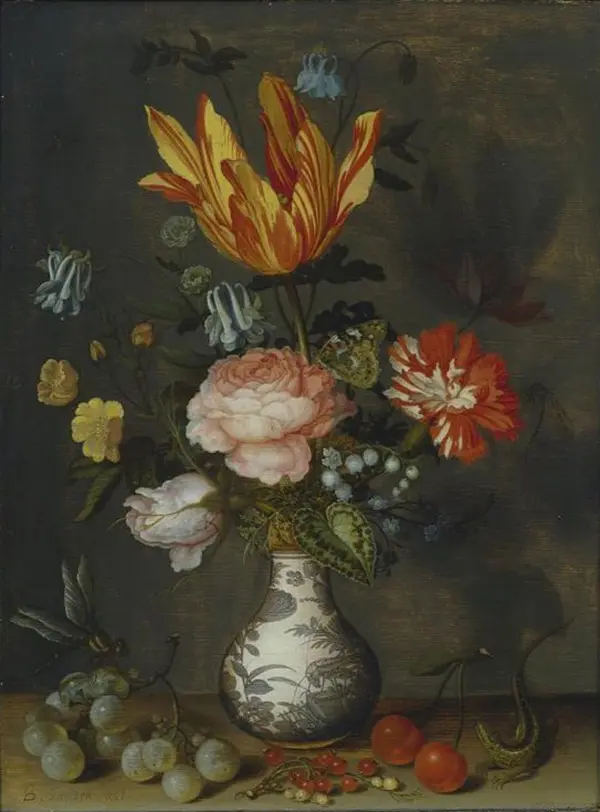
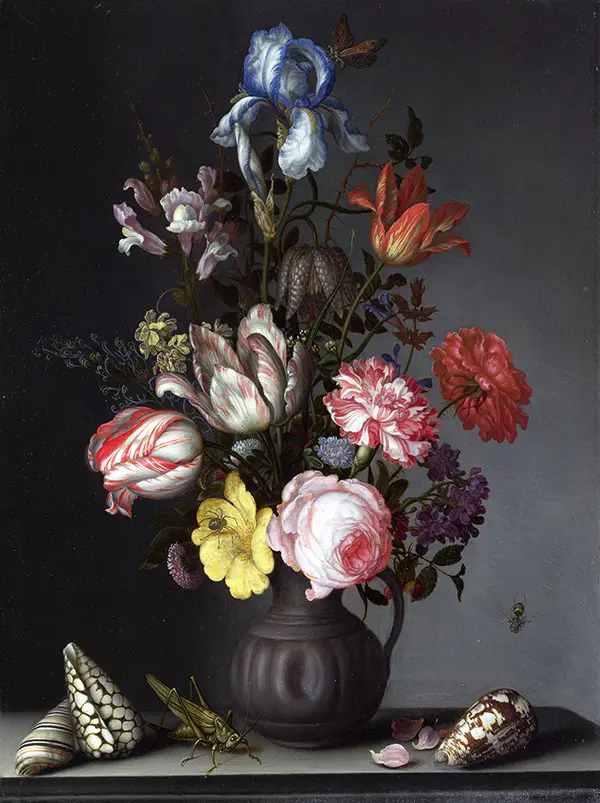
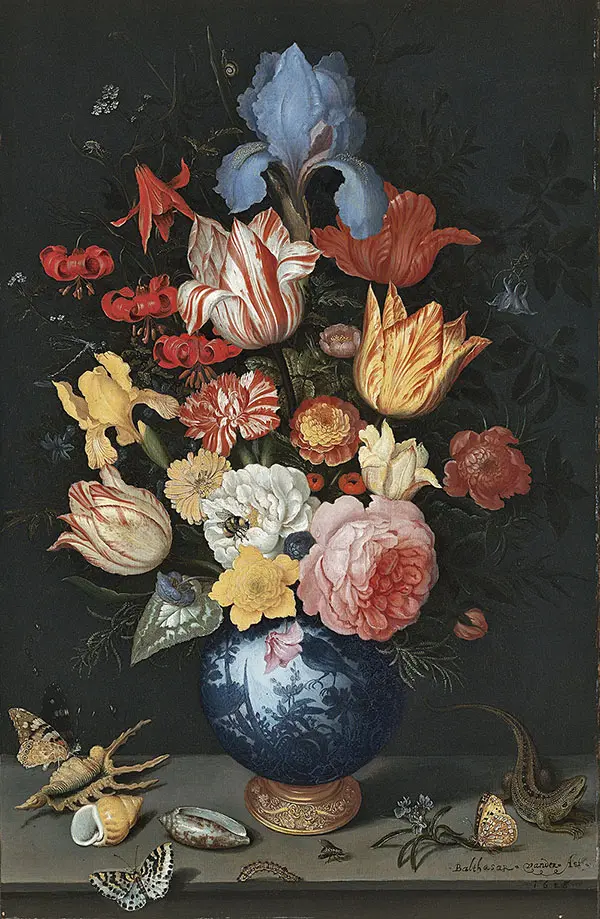
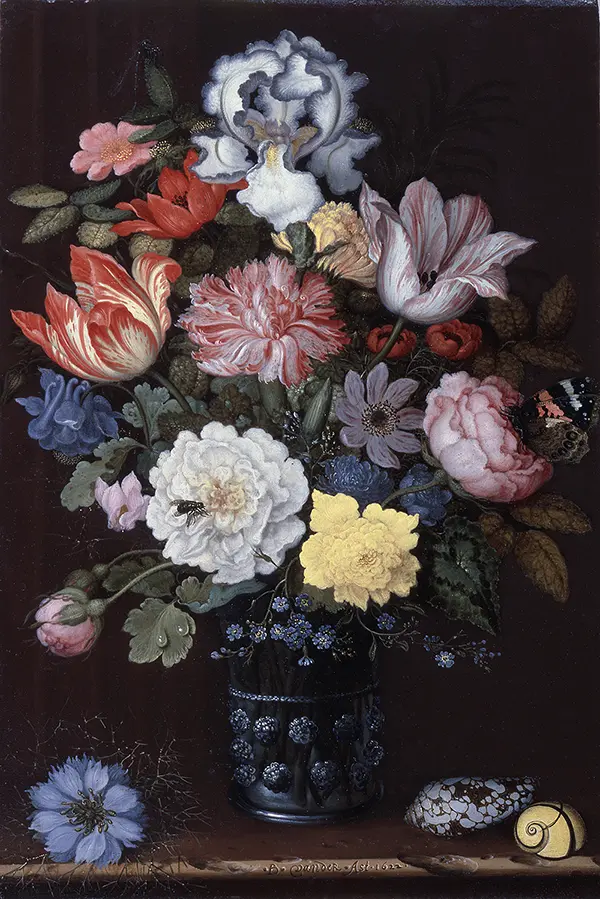
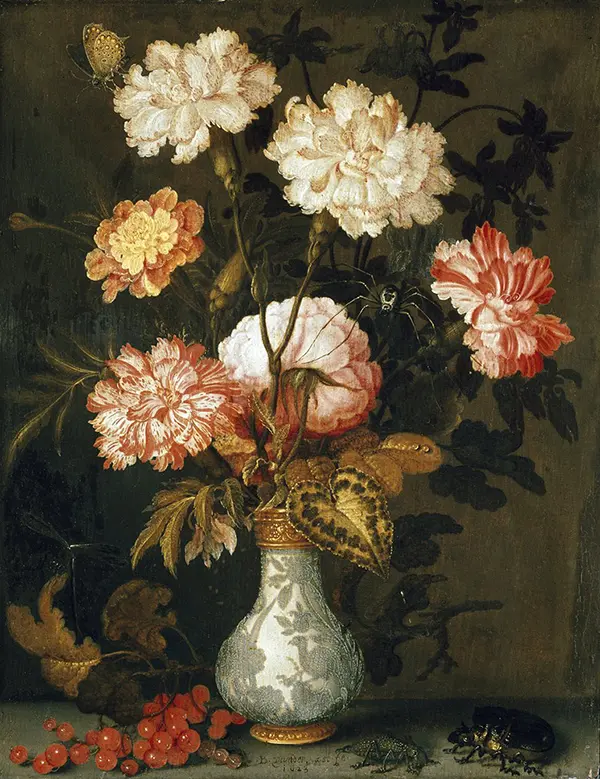
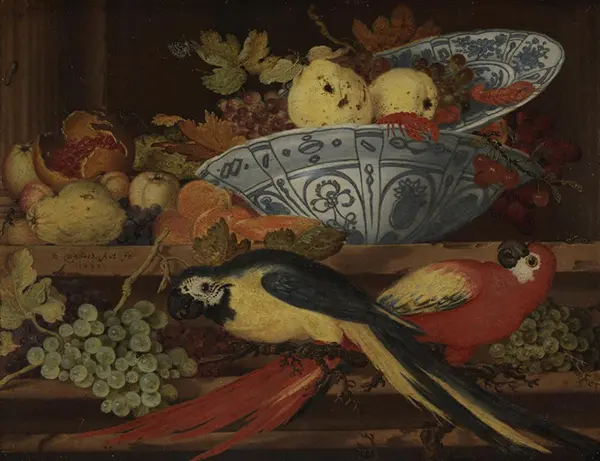
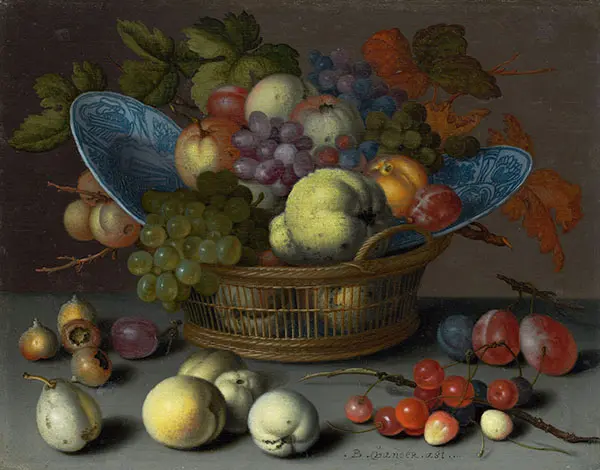
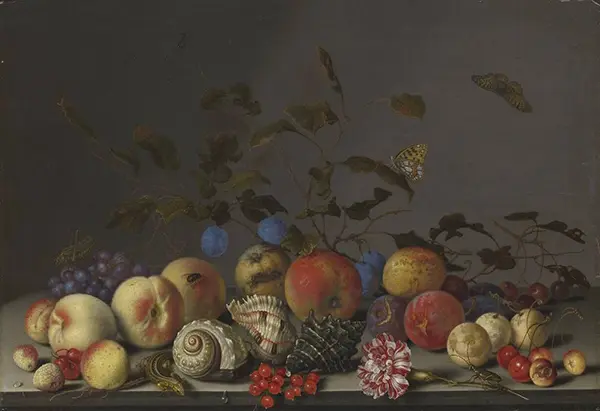
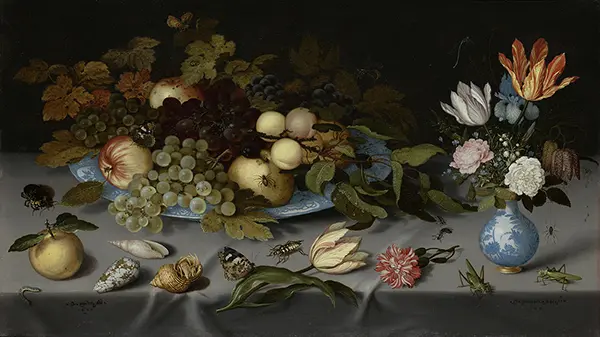
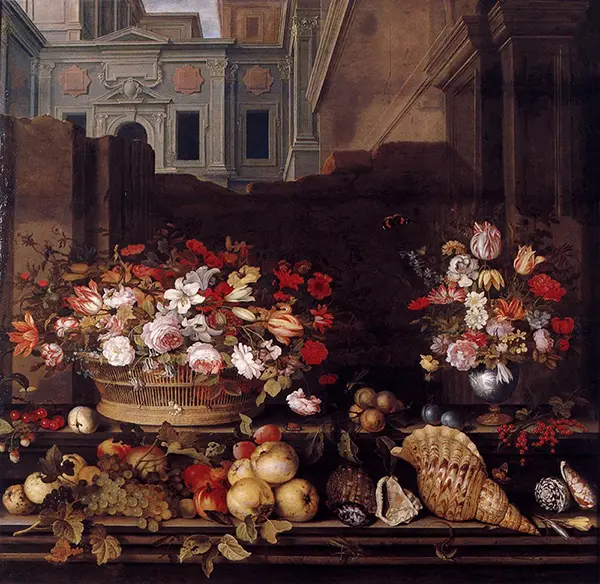
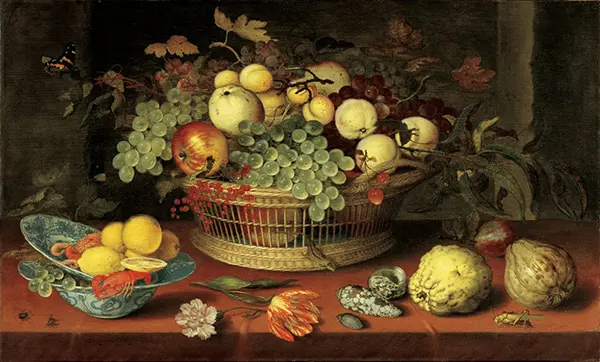
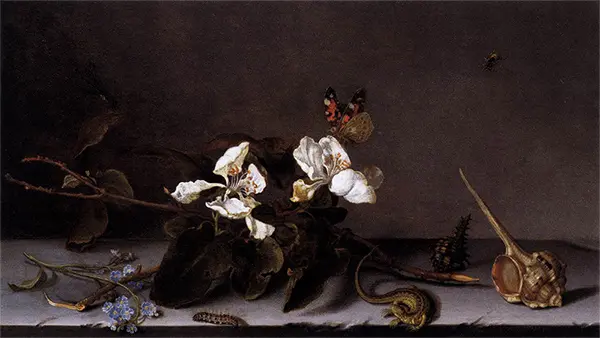
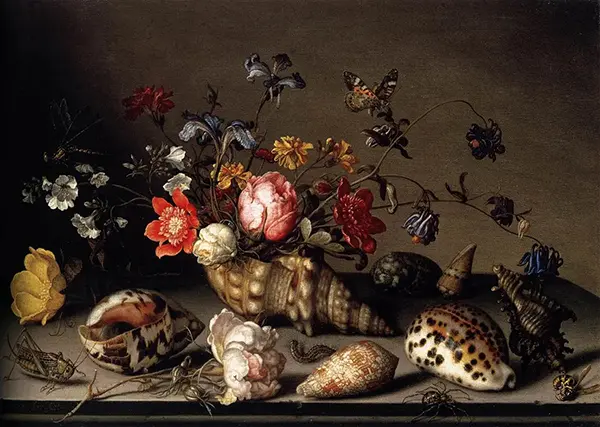
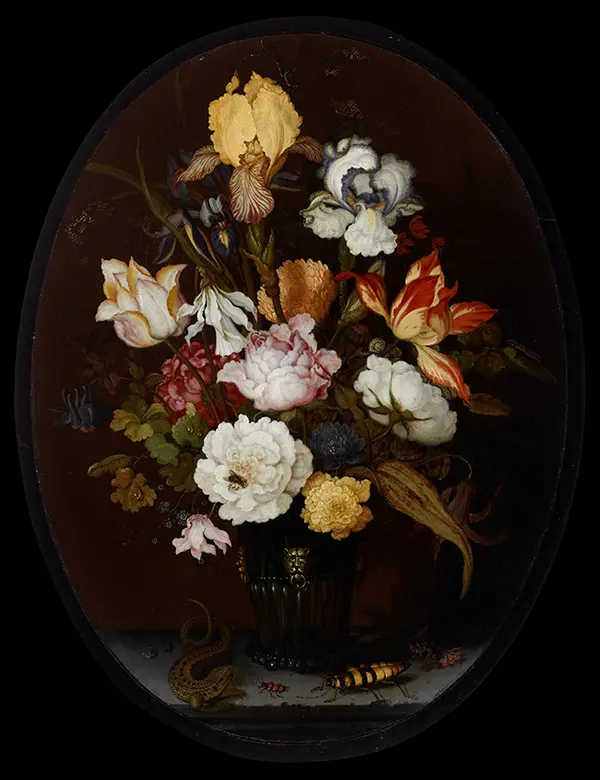
Due to the shift away from religious subjects, Dutch painting had no defining genre. Instead, Dutch Golden Age artists worked across various genres, including landscapes, cityscapes, still life, animal, flower, and maritime oil paintings.
Today, Dutch Golden Age artists are best known for their outstanding portraiture, often showing large groups. The most famous portrait painting is The Night Watch by Rembrandt. Landscape paintings were also popular, often depicting Holland’s iconic flat fields and agricultural economy.
What were the six styles of Dutch Golden Age paintings?
During this period, people subscribed to a hierarchy of genres within the art of painting. This theory prescribed various levels of prestige to different subjects. History painting sat firmly at the top of the hierarchy, commanding the highest prices and most requested commissions.
However, history painting was difficult to sell due to its associated high prices. Indeed, Rembrandt often needed help to sell his significant historical works. As a result, many artists produced portraits, urban scenes, and genre paintings that were readily saleable.
In descending order of prestige, the six styles of Dutch Golden Age paintings are:
- History painting: including biblical narratives and popular allegories.
- Portrait painting: including “tronies” or character studies and group portraits.
- Genre painting: scenes from everyday life, often with a moral message.
- Landscape painting: including cityscapes, seascapes, battle scenes, and country views.
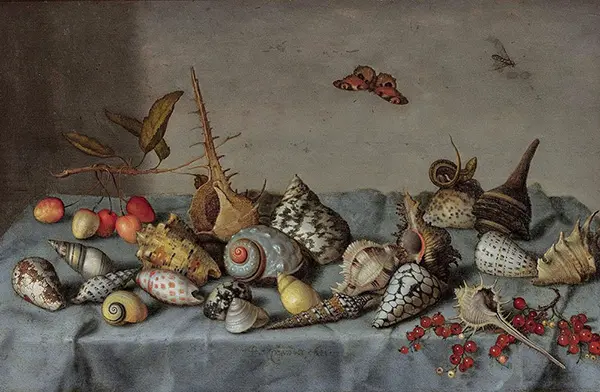
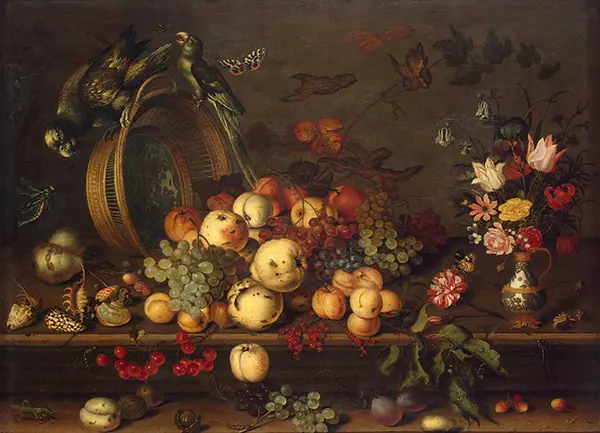
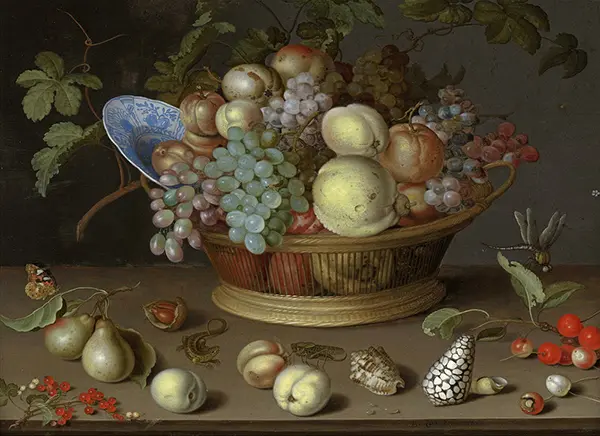
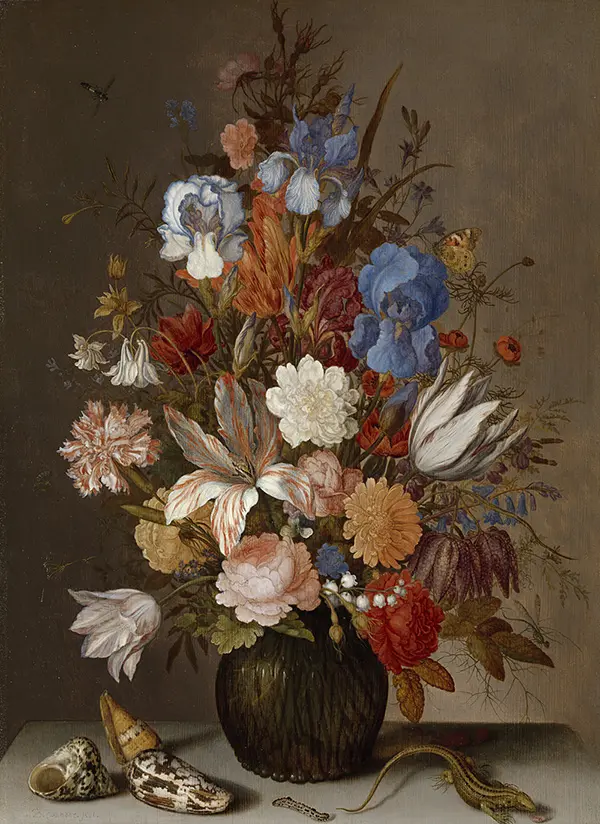
- Still life painting: often including floral arrangements, food, and memento mori such as skulls.
- Animal painting: an offshoot of still life; dogs, cows, horses, and birds (often the spoils of hunting) were common topics.
Dutch Golden Age art frequently focuses on the “lower” categories of landscapes, still life, and animal paintings. Despite this, genre scenes and portraits were also incredibly popular.
How many paintings are there from the Golden Age of Dutch art?
The Dutch Golden Age spans approximately 100 years. Large art fairs were a familiar feature of Dutch society, and more than 1.3 million Dutch paintings were produced between 1640 and 1660.
The sheer volume of artworks kept prices low for many artists. Despite this, leading painters such as Johannes Vermeer, Rembrandt van Rijn, Peter Claesz, and Frans Hals often had wealthy patrons, enabling them to earn a decent but unpredictable living from their art.
Even so, some of the greatest names in art today, including Johannes Vermeer, Rembrandt, and Frans Hals, frequently struggled financially. As a result, many died incredibly poor, worked other jobs, or abandoned art in old age.
Who is one of the most influential artists from the Dutch Golden Age?
Among even the great Dutch Golden Age painters, one name stands out particularly. This is Rembrandt van Rijn. While Rembrandt experienced periods of artistic struggle, he was highly respected during his lifetime.
Rembrandt’s early paintings include works such as Judith at the Banquet of Holofernes 1634 and Hendrickje Bathing in a River 1654). These famous oil paintings demonstrate the artist's skill early in his career. Rembrandt’s most famous painting is arguably The Night Watch 1642, currently hanging in the Rijksmuseum in Amsterdam alongside The Jewish Bride 1667.
Many Rembrandt paintings are displayed in the State Hermitage Museum in Saint Petersburg, Russia. The museum houses over 400 of the artist’s oil paintings and drawings in a dedicated room, showcasing Rembrandt’s global significance.
Was Vermeer in the Dutch Golden Age?
Vermeer was active and created artwork during the height of the Dutch Golden Age. Some of the most famous Jan Vermeer paintings, including Girl with a Pearl Earring 1665, The Milkmaid (1658), and Girl with a Pearl Necklace 1664, appeared just after the mid-century boom of Dutch painting.
Johannes Vermeer specialized in oil paintings of domestic interior scenes and cityscapes, often depicting humble middle-class life and everyday scenes.
Moderately successful during his lifetime, Vermeer sadly died in debt in 1675. In addition, the economic downturn of 1672 damaged the art market, meaning he could not sell his work. However, Vermeer reproduction oil paintings are some of our most popular paintings.
Which artists were around in the Dutch Golden Age?
As well as Rembrandt and Vermeer, other artists of the Dutch Golden Age include Pieter Claesz, Frans Hals, Jan Davidsz de Heem, and Peter Paul Rubens. Pieter Claesz still life paintings, such as Still Life with a Skull and Writing Quill 1628 and Still Life with Lemons and Olives 1629, met with critical acclaim.
One particular oil painting by Pieter Claesz, Vanitas 1630, remains one of the most famous images of the Dutch Golden Age. It alludes to the passing of time and mortality by demonstrating the certainty of death alongside the transience of life.
Similarly, Frans Hals' paintings also draw upon the strong Dutch vanitas tradition. His Portrait of a Man Holding a Skull 1615 exemplifies this approach. The man wears dark Calvinist attire. Although he is unidentified, we know the sitter was sixty years of age and commissioned the work alongside another oil painting of his wife.
Frans Hals Laughing Cavalier 1624 is his most famous portrait painting. Hals demonstrates his proficiency in character painting; the portrait rivals those of Rembrandt and Vermeer in painterly skill and enigmatic psychological presentation.
What is the name of the most famous Dutch Golden Age painting?
Although a hotly contested topic, the most famous Dutch Golden Age painting is "The Anatomy Lesson of Dr. Nicolaes Tulp" (1632) by Rembrandt van Rijn. This oil painting is one of Rembrandt’s earliest true masterpieces. Indeed, it’s one of the first paintings signed with Rembrandt’s full name instead of his initials, demonstrating the artist’s growing self-confidence.
In this painting, the anatomist Nicholaes Tulp explains the working of an arm to a group of doctors; the anatomical interior of the dead man’s arm is shocking in its gory detail. Indeed, the expressions on the doctor’s faces and the faces of the audience show intrigue and surprise. Their faces are illuminated against the dark gray background.
If you admire Dutch Golden Age paintings, enjoy browsing an extensive collection of reproduction oil paintings. We specialize in museum-quality art reproductions on canvas from famous Dutch Golden Age artists, such as Rembrandt and Vermeer. You can also discover lesser-known oil paintings by artists Melchior de Hondecoeter and Gerard Hoet.
Our online replica paintings offer thousands of paintings for sale by famous Dutch Golden Age artists.

Testimonial from David T, Santa Fe, NM


Enter Your Private Gallery
Log in with your gallery ID here
Track Your Order
Type your order number here




Cannot Find What You Are Looking For?
Reproduction Gallery Information
Customer Service

(Send Us A Message)

Tel: (302) 513 3464