




Hilma AF Klint Oil Painting Reproductions
Hilma AF Klint replica paintings on Canvas for sale
Who Was the Swedish Abstract Artist Hilma af Klint?
Hilma af Klint (1862–1944) was a Swedish abstract artist and one of the earliest pioneers of modern abstract art painting. Years before artists such as Wassily Kandinsky and Piet Mondrian explored non-representational art, she produced large symbolic compositions combining geometry, spiritual philosophy, and scientific ideas.
Beginning in 1906, Klint created large-scale abstract oil paintings inspired by spiritual philosophy, symbolism, and the scientific discoveries of the early 20th century. Klint's artwork forms part of an ambitious visual language that combines geometric forms, organic shapes, and symbolic color systems.
Today, many art historians recognize her as one of the earliest pioneers of the Abstract Art Movement. Several of her paintings predate the abstract experiments of artists such as Wassily Kandinsky, Kazimir Malevich, and Piet Mondrian.
At Reproduction-Gallery.com, collectors can discover museum-quality hand-painted oil painting reproductions of Hilma af Klint’s artworks, available in a range of custom sizes suitable for modern interiors and contemporary spaces.
Why Is Hilma af Klint Important in the History of Abstract Art?
Hilma af Klint’s paintings are historically significant because they predate many of the earliest recognized abstract artworks of the twentieth century. While Kandinsky’s famous abstract watercolor is usually dated to around 1910, she had already begun creating fully abstract compositions several years earlier, including her monumental series The Ten Largest (1907).
Several key factors explain why Hilma af Klint is now considered one of the earliest pioneers of abstract painting:
• Her first fully abstract paintings date from 1906, several years before Kandinsky’s early abstract experiments.
• She developed a distinctive symbolic visual language combining geometry, botanical imagery, and spiritual philosophy.
• Her monumental project Paintings for the Temple represents one of the earliest large-scale series of abstract paintings in modern art.
Kandinsky’s famous abstract watercolor is usually dated to around 1910, while Klint had already begun creating fully abstract compositions, including The Ten Largest, between 1906 and 1907.
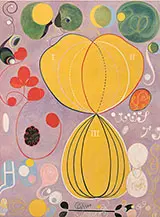
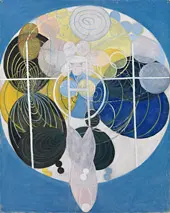
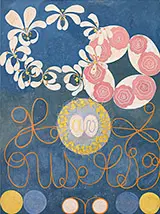
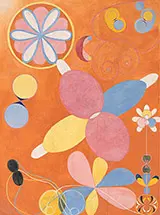
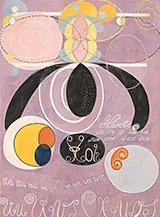
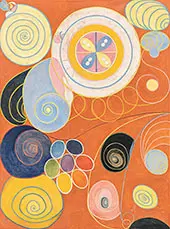
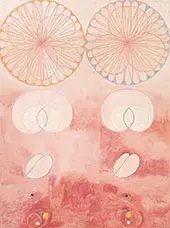
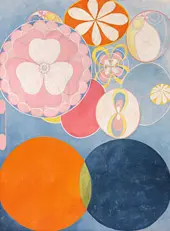
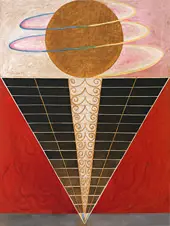
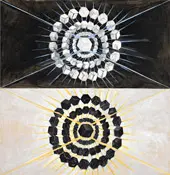
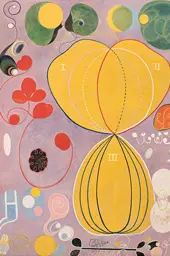
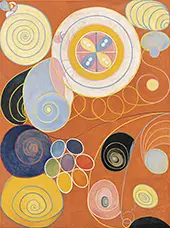
One of her most famous early abstract paintings is The Ten Largest No. 2 (1907), part of a monumental series exploring the stages of human life through vibrant color, geometric structures, and symbolic imagery
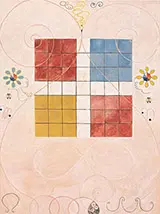
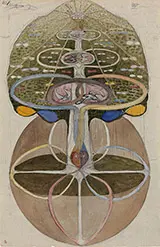
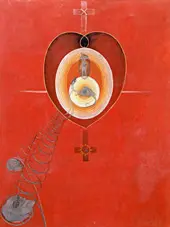
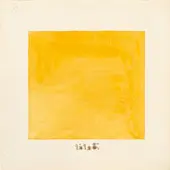
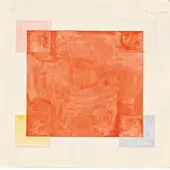
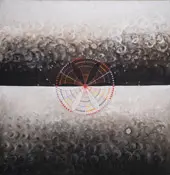
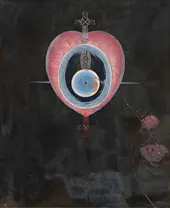
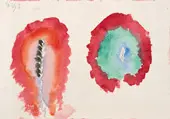
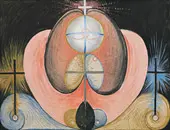
Hilma af Klint's famous paintings combine mysticism, geometry, botanical studies, and spiritual symbolism, helping define a unique form of early spiritual abstraction within Modern Art.
Why Were Hilma af Klint’s Paintings Unknown for Many Years?
During her lifetime, Hilma af Klint rarely exhibited her most experimental abstract paintings. Influenced by spiritual ideas connected to Theosophy and Anthroposophy, she believed the public was not yet ready to understand the symbolic meaning behind her work.
Before her death in 1944, she left more than 1,200 paintings and thousands of drawings to her nephew, with instructions that the collection should remain largely unseen for at least twenty years
When the works were finally examined in the 1960s, art historians began to recognize the extraordinary importance of her archive. Today, Hilma af Klint is widely regarded as one of the earliest pioneers of modern abstract painting.
Many of Hilma af Klint’s paintings are preserved by the Hilma af Klint Foundation in Stockholm. Her famous paintings are displayed at leading international museums, including the Solomon R. Guggenheim Museum in New York, which presented the landmark exhibition Hilma af Klint: Paintings for the Future in 2018, introducing her visionary abstract art to a global audience.
What Are Hilma af Klint’s “Paintings for the Temple”?
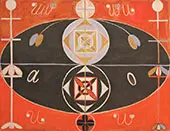
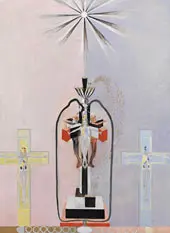
Between 1906 and 1915, Klint created an ambitious spiritual project known as Paintings for the Temple.
This remarkable body of work includes 193 paintings, many of them monumental in scale and produced over a nine-year period.
The series was intended to explore spiritual evolution, cosmic balance, and the connection between the material and spiritual worlds.
The paintings feature symbolic imagery, geometric forms, spirals, and vibrant color fields that anticipate many later developments in abstract modern art.
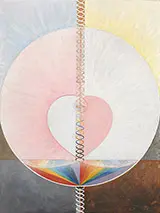
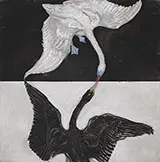
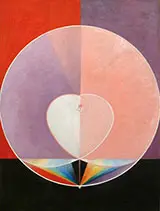
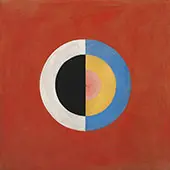
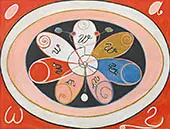
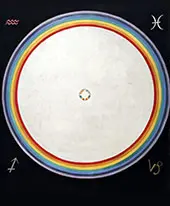
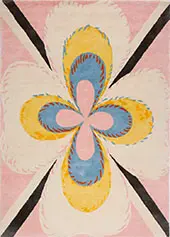
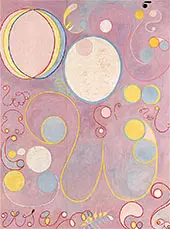
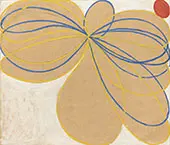
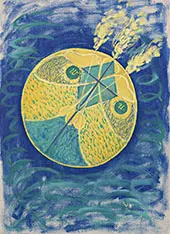
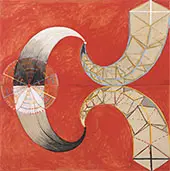
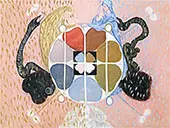
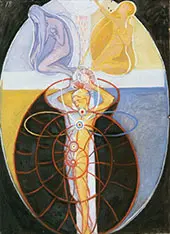
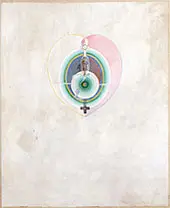
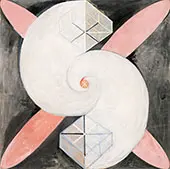
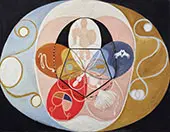
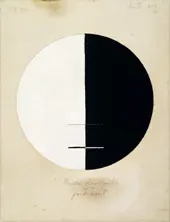
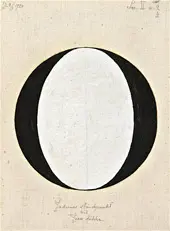
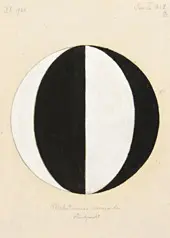
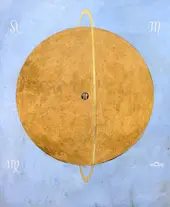
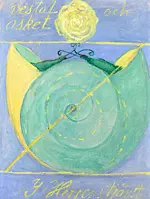
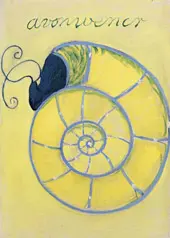
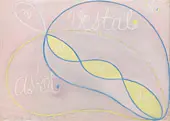
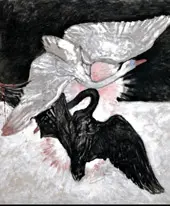
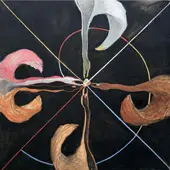
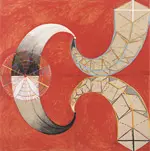
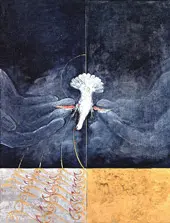
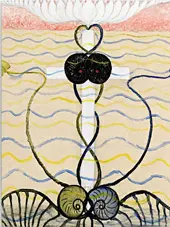
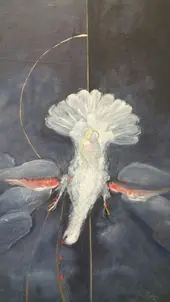
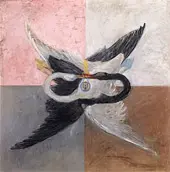
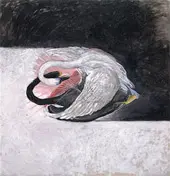
Several of Hilma af Klint’s most famous works belong to this project, including paintings from The Ten Largest, The Swan, and The Dove series.
What Are the Most Famous Hilma af Klint Paintings?
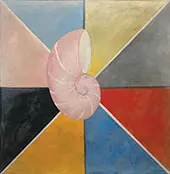
The Swan Series of Paintings
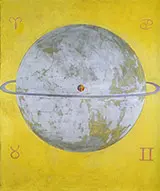
- The Swan No. 20, Group IX
- The Swan No. 9, Group IX
- The Swan No. 24, Group IX
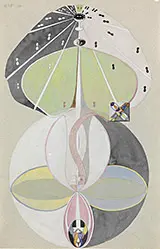
- The Swan No. 16
- The Swan No. II, Group IX (1914)
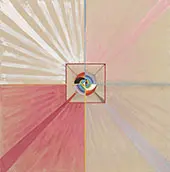
The Dove Series
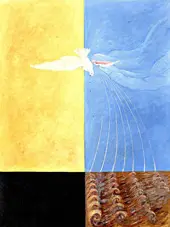
- The Dove No. 25
- The Dove No. 2
The Ten Largest Series
- The Ten Largest No. 1 (1907)
- The Ten Largest No. 2 (1907)
- The Ten Largest No. 3 – Youth, Group IV (1907)
Which Rooms Are Best Suited for Hilma af Klint Paintings?
Hilma af Klint’s abstract paintings work particularly well in modern living rooms, creative studios, home offices, and contemporary bedrooms, where their vibrant colors and symbolic forms create a striking focal point.
Her colorful paintings, filled with geometric shapes, spirals, and luminous palettes, bring energy and visual balance to a wall. They are ideal for spaces that benefit from both artistic impact and a thoughtful atmosphere.
Oversized artworks from series such as The Ten Largest, The Swan, and The Dove can transform a blank wall into a conversation piece while adding harmony and modern sophistication.
Whether displayed above a sofa, behind a desk, or as the centerpiece of a minimalist interior, Klint’s abstract artworks add depth, movement, and a distinctive modern aesthetic to any home or office walls.
Where Can You Buy Hilma af Klint Oil Painting Reproductions?
Art collectors can purchase 100% hand-painted oil-on-canvas reproductions of Hilma af Klint’s abstract art through our online catalog.
Our professional artists recreate famous abstract paintings using traditional oil painting techniques and museum-grade materials to faithfully capture the color, composition, and symbolism of the original artwork.
Reproduction-gallery art studio has been creating museum-quality oil painting reproductions online for more than 30 years. Our artists use traditional techniques and professional materials to faithfully recreate the color, composition, and detail of the original masterpiece.
This long-standing experience and commitment to traditional craftsmanship ensure that every painting meets the standards expected by collectors seeking museum-quality oil painting reproductions.
Explore our growing collection of Hilma af Klint oil painting reproductions, along with works by many of the world’s most famous abstract artists, including Russian Artist Wassily Kandinsky and Dutch painter Piet Mondrian.




Testimonial from Frida D, Dalaro, Stockholm











Enter Your Private Gallery
Log in with your gallery ID here
Track Your Order
Type your order number here
Most Popular Artists