




Figurative Art Oil Painting Reproductions
Find Figurative Art oil painting replicas by Figurative Artists
Figurative Art: A Brief Introduction
Figurative Art is a relatively new term. The description applies to paintings with links to the “real world” and human figures. It first appeared in the early 20th century and separated figurative paintings from abstract art. As the opposing artistic approach, abstract art removes paintings from everyday experience and direct representation. Figurative painting covers a massive array of art. Today, we explore this fascinating category and its development through time, and some of our most requested reproduction oil paintings.
Famous Figurative artists include Artemisia Gentileschi, whose famous religious painting, Judith Slaying Holofernes, is a notable example.
What is the meaning of Figurative Painting?
The phrase figurative artwork appeared after the explosion of colorful abstract paintings in early 20th century art. It refers to artists focusing on the natural world instead of purely conceptual concerns. Consequently, figurative painting refers to modern art depicting places and people. It also applies to most art created before the 20th century, which was usually directly representational.
In modern art, figurative painters and artists like Pablo Picasso exemplify this trend. After the 1920s, Picasso’s artwork focused heavily on figure painting. These mature oil paintings include famous creations such as The Three Dancers 1925. Although this painting keeps aspects of Cubism and simplified forms, it also depicts “real world” women in an identifiable interior scene.
What is the difference between Figurative and Abstract Wall Art?
Both Figurative painting and Abstract wall art are vast categories of artistic creation. They can apply to any creative medium; it is generally a term used for oil paintings. While figurative art focuses on things from the natural world, modern abstract art communicates emotions and ideas. Nonetheless, there’s a considerable crossover between the two terms.
For instance, oil paintings can incorporate many elements of abstraction. Colors can change, forms can twist, and perspectives can flatten. Nonetheless, they will retain some connection to people, scenes, or objects. The definition also includes figure painting as well as landscapes and city scenes. For an abstract artist, even if the inspiration comes from the real world, the painting will focus mainly on emotional and intellectual expression.
What is Figurative Realism in art?
Figurative realism is a distinct branch of representational art. It refers to painters focusing on intensely realistic human figures set amongst naturalistic landscapes. In this definition, the human figure is usually a vital feature. Individual portraits, figure paintings, nudes, or group arrangements are all “figurative realism.”
These works include some of the most famous nude paintings, such as Edouard Manet’s Olympia and the oil painting Venus of Urbino by Titian. Nonetheless, this does not necessarily need to depict identifiable individuals. Works such as Edward Hopper’s Chop Suey are figurative realism as the painting accurately and faithfully represents human forms. The viewer is never sure who the individuals are in Hopper’s art. Faces fade, and people’s inner thoughts are purposely ambiguous.
Is Figurative a style of painting?
Figurative art is a style of painting. It simply refers to representations of people and places. These elements might be altered or distorted. Even so, figurative paintings always have some basis in reality.
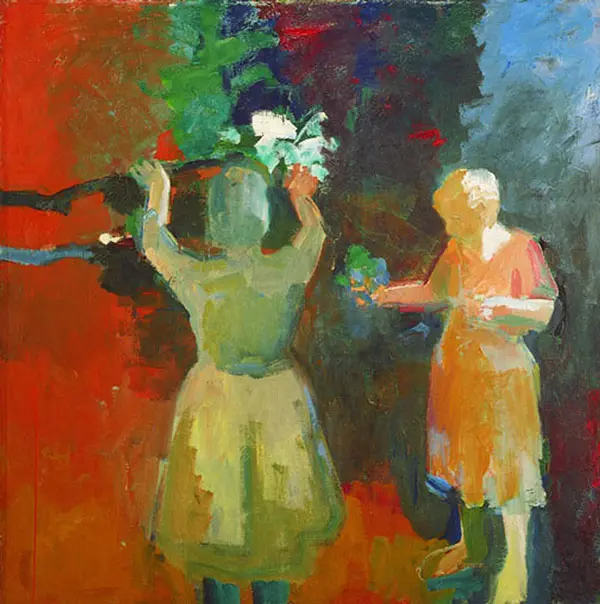
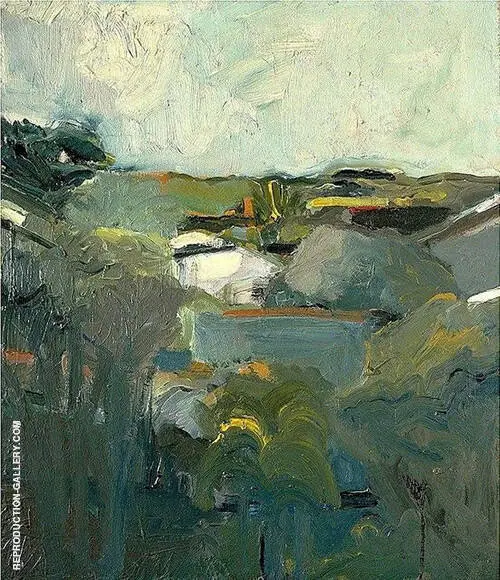
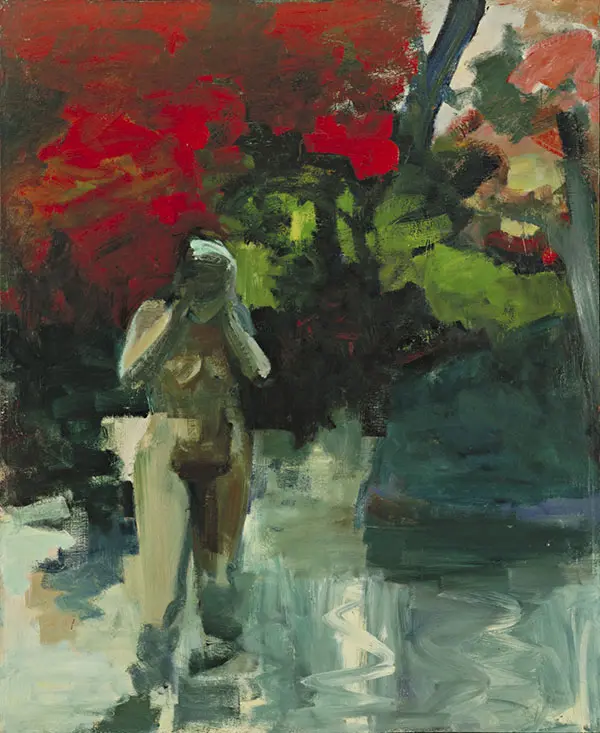
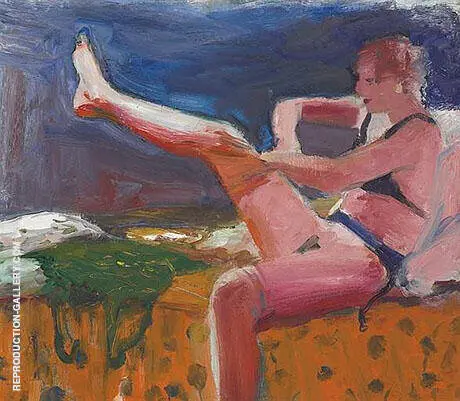
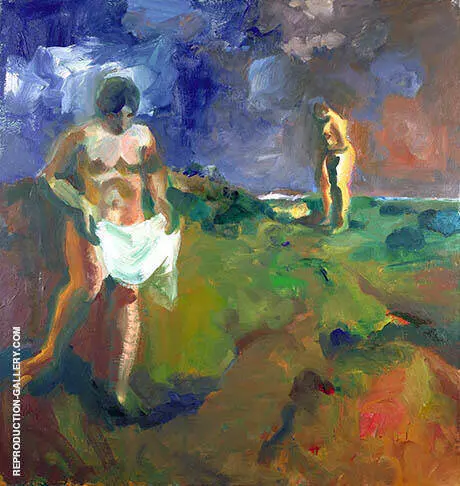
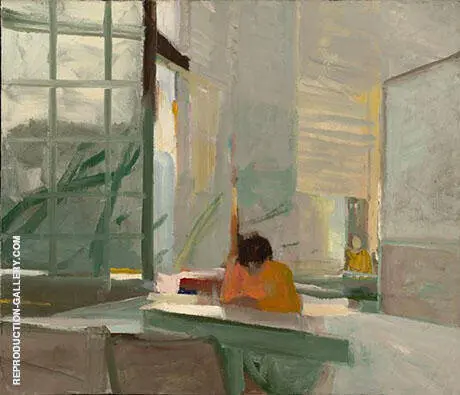
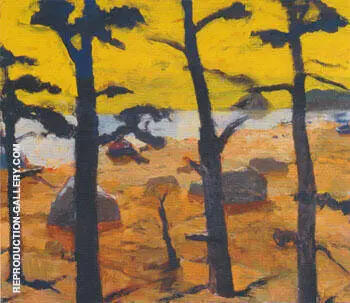
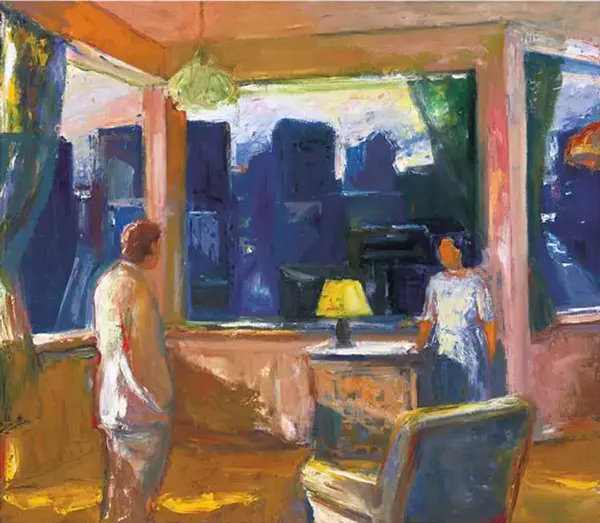
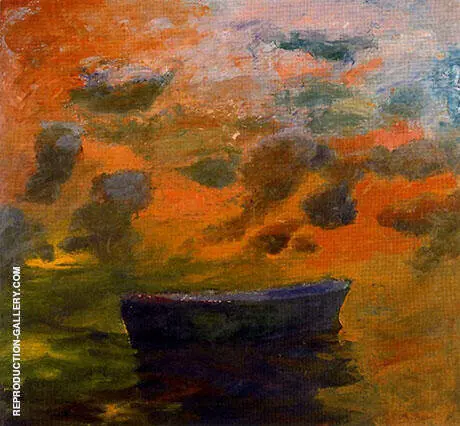
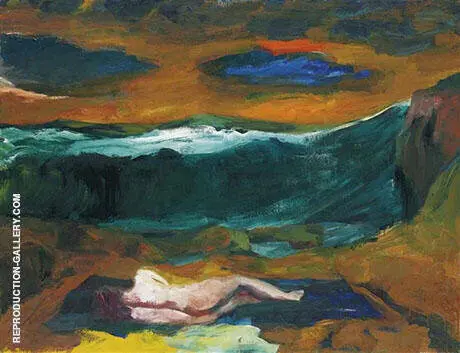
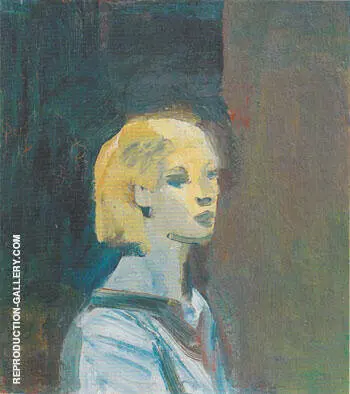
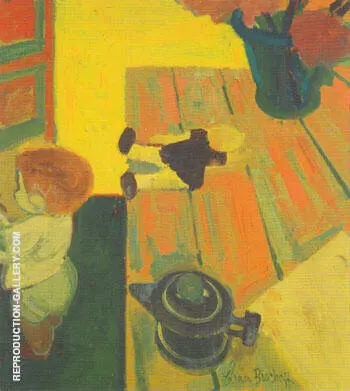
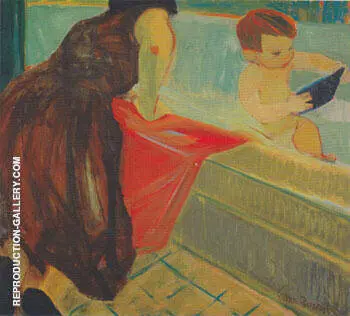
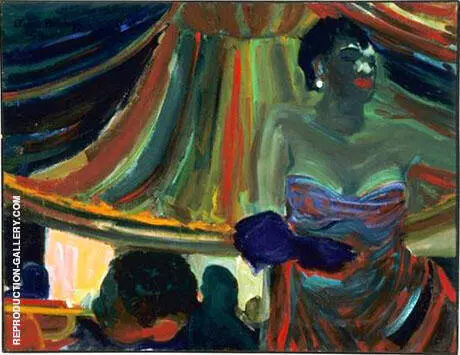
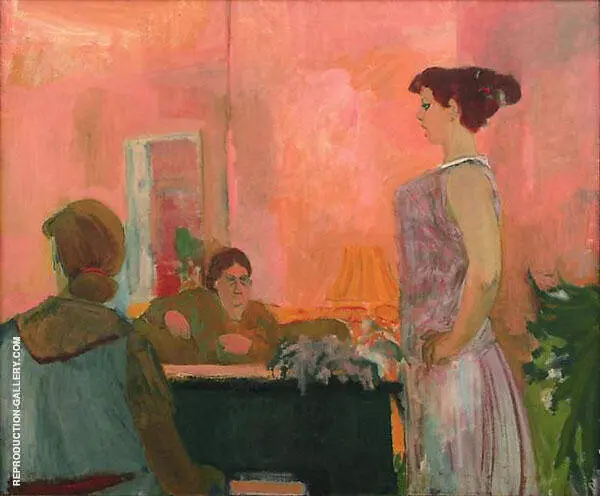
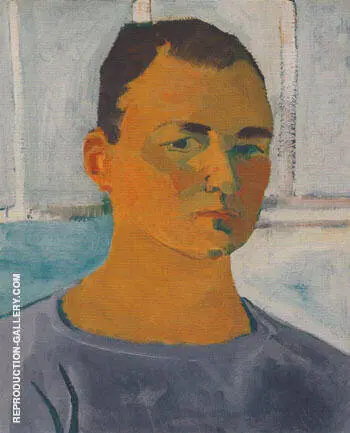
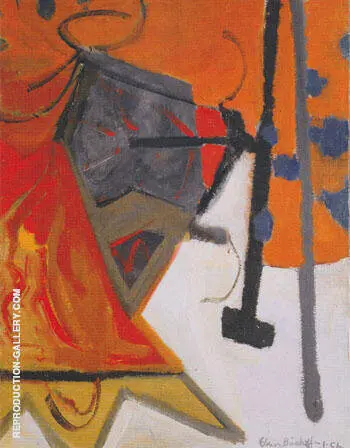
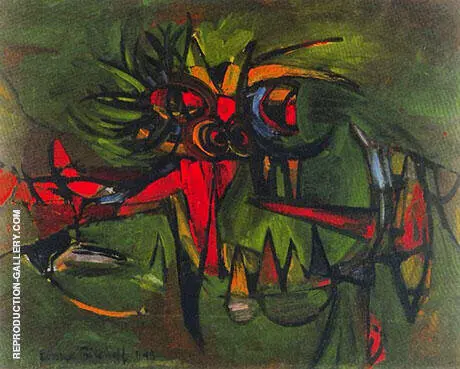
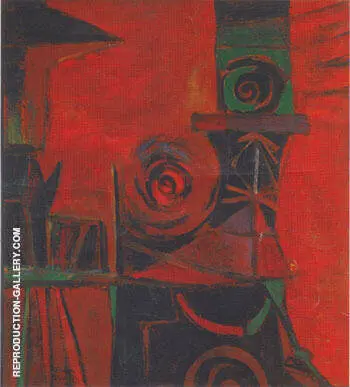
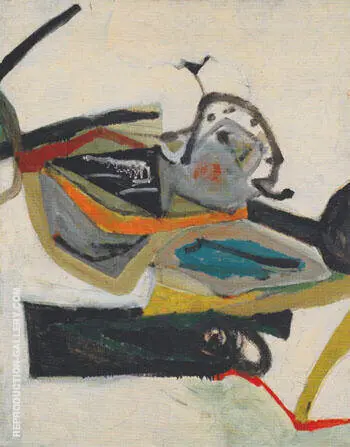
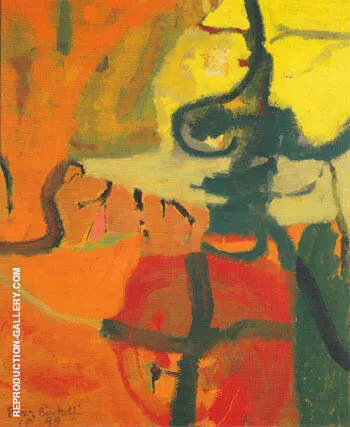
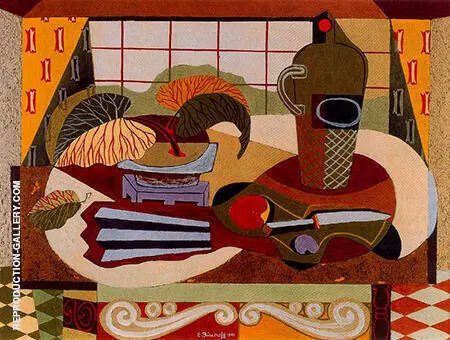
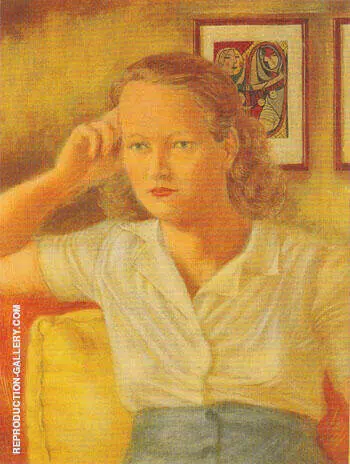
In modern times, figurative painting often features semi-abstracted elements, exaggerated colors, and flattened perspectives. The work of Henri Matisse and Les Fauves shows this approach perfectly. While the art of Matisse, in his oil painting Portrait of Madame Matisse, The Green Stripe (1905), represents a woman, the colors are intense. Her face also appears overly simplified. Modern figurative artists such as the American Elmer Bischof, working in the late 20th Century, continued this bright and vivid style of colorful paintings.
Before 20th century art, many portrait painters prided themselves on their realistic attention to detail. Artists such as Jules Joseph Lefebvre, a French figurative artist, epitomize this traditional academic approach. Lefebvre’s works, such as Odalisque and Yvonne the Artist’s Daughter, depict skin, women’s bodies, and elegantly draped fabrics with intense detail.
What is an example of Figurative Art?
Essentially, any painting showing people or places in some manner is figurative art. Some of the most famous examples of representational art are seen in famous Renaissance paintings by artists Leonardo da Vinci, Raphael, and Michelangelo. Figurative depictions continued through the 17th and 18th centuries, with artists working in the Dutch Golden Age and Baroque styles.
As the 19th century progressed, French artists developed innovative artistic approaches. Despite the emergence of new movements such as Impressionism, Post-Impressionism, and Pointillism, they continued to paint the world around them. Gradually, these artworks incorporated an increasing amount of abstraction and experimentation with color, reflecting the artists' growing interest in the expressive potential of color.
These experiments culminated with the Cubist approach of Pablo Picasso and Georges Braque. While both artists incorporated geometric forms and abstracted shapes, they still depict identifiable human forms.
However, a new wave of purely abstract artists appeared in the early 20th century, with Expressionist art by Wassily Kandinsky and Hilma Af Klint leading the way.
Russian constructivist approaches, exemplified by Kazimir Malevich and American color field painters such as Mark Rothko, developed these ideas even further.
In the aftermath of these pioneering developments, figurative art contrasted with their purely conceptual creations.
Why is Figurative Art influential?
Figurative paintings are influential because they allow artists to express their unique viewpoints on the world. Their famous paintings do not just focus on realistic, photographic representations. Instead, artists creatively communicate their human experience through depictions of the world around us. Figurative painting also requires a great deal of artistic skill. Historically, artists were trained by copying the work of the Old Masters. This ensured ability in all aspects of artistic creation, including shape, color, light, line, volume, perspective, and texture.
While these elements can form a crucial part of abstract art, they also feature with careful precision in figurative painting. This focus on natural observation began with intensely detailed classical Greek sculptures. It continued throughout the Renaissance art period, until French Impressionist artists challenged previously accepted artistic ideals. Nonetheless, figurative art has endured to the present day, inspiring artists and the public.
Figurative Art: Fine Art Reproductions
If you love the skill and beauty of figurative oil paintings, explore our online art gallery of replica art. Enjoy the classical artwork of Renaissance oil paintings, to the modern colorful wall art of Vincent Van Gogh and Henri Matisse.
Now you can buy reproduction oil paintings and replica art from some of the world's most famous artists at affordable prices.






Enter Your Private Gallery
Log in with your gallery ID here
Track Your Order
Type your order number here




Cannot Find What You Are Looking For?
Reproduction Gallery Information
Customer Service

(Send Us A Message)

Tel: (302) 513 3464